What This Document Is
This resource is a focused exploration of Wireshark, a powerful and widely-used network protocol analyzer. It’s designed as a learning tool for students and professionals seeking a deeper understanding of network behavior, security principles, and forensic investigation techniques. The material delves into the functionalities and applications of Wireshark, providing a foundation for practical network analysis. It traces the tool’s history and evolution, highlighting its significance in the field of computer networking.
Why This Document Matters
This material is invaluable for anyone enrolled in advanced computer security or computer forensics coursework. It’s particularly beneficial for individuals preparing for roles in network administration, cybersecurity analysis, incident response, or digital forensics. Understanding how to capture and interpret network traffic is a core skill in these fields, and this resource provides a solid starting point. Professionals needing to troubleshoot network issues, analyze application performance, or investigate potential security breaches will also find this a useful reference.
Topics Covered
* The fundamental principles of network packet analysis
* Wireshark’s core features and capabilities
* The historical development and background of Wireshark
* The relationship between Wireshark and other network tools like WinPcap
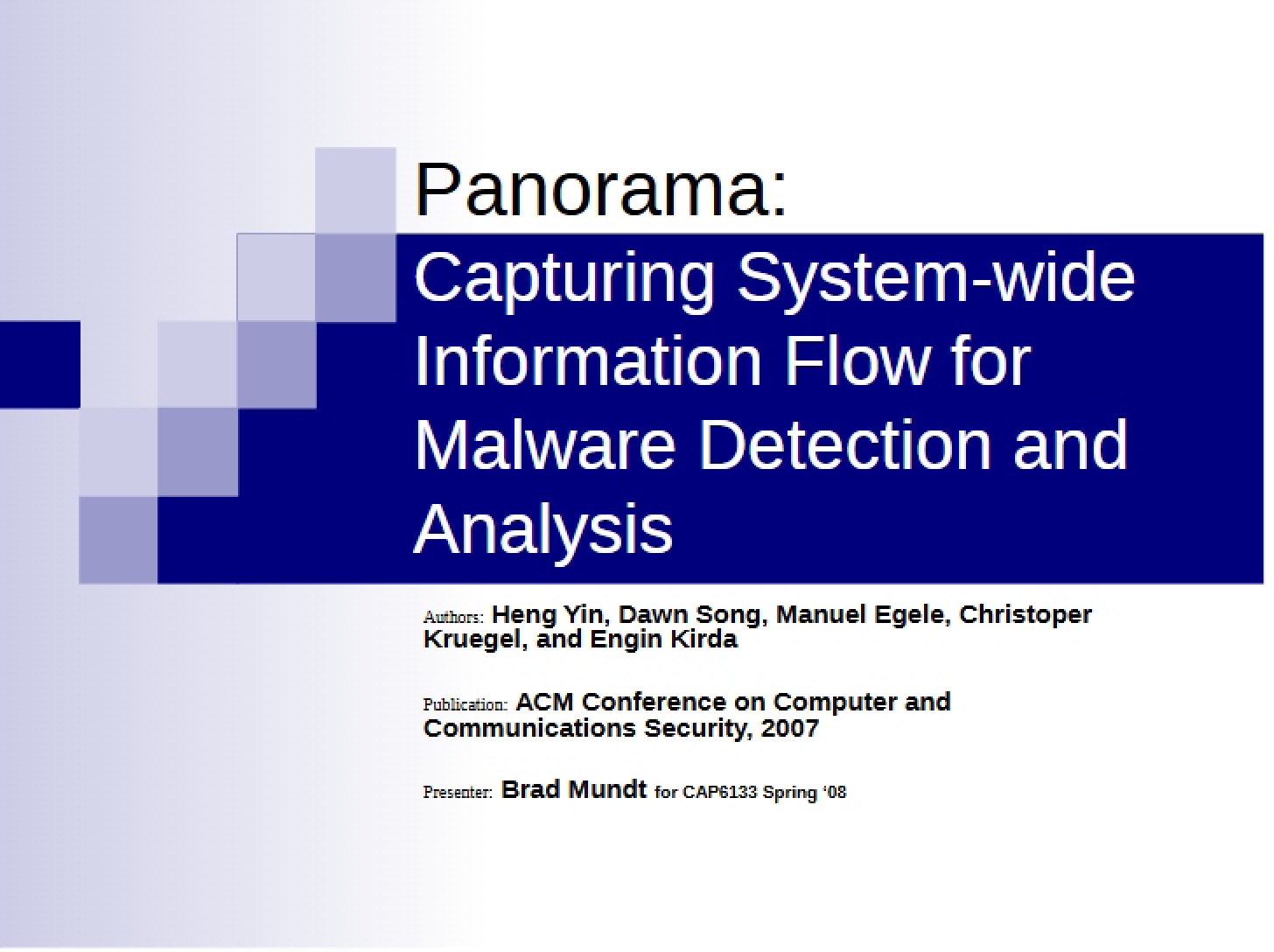
* Applications of Wireshark in various scenarios, including VoIP troubleshooting and malware detection
* Identifying and analyzing common network problems
* Understanding network protocols and their structure
What This Document Provides
* An overview of Wireshark’s functionality as a packet sniffer and analyzer.
* Insights into how Wireshark decodes and interprets network traffic.
* A look at the tool’s cross-platform compatibility.
* A demonstration of Wireshark’s interface through illustrative examples.
* Discussion of real-world applications of Wireshark in network security and troubleshooting.
* Exploration of how Wireshark can be used to identify and address network performance issues.