What This Document Is
These are lecture notes covering the fundamentals of the nervous system, specifically as introduced in Chapter 11 of a Human Anatomy and Physiology I course at Binghamton University. The notes provide an overview of the nervous system’s functions, its cellular components (neuroglia and neurons), and its organizational structure – the central and peripheral nervous systems. It also begins to explore the microanatomy of nervous tissue, detailing different types of neuroglia and the basic structure of neurons.
Why This Document Matters
These notes are essential for students enrolled in Human Anatomy and Physiology I. They serve as a foundational resource for understanding how the body receives, processes, and responds to information. This material is typically covered early in the course, setting the stage for more detailed explorations of specific nervous system components and their associated physiological processes. Understanding these fundamentals is crucial for success in subsequent topics like brain anatomy, sensory pathways, and motor control.
Common Limitations or Challenges
This document provides a high-level overview and does *not* delve into the complexities of action potentials, synaptic transmission, or specific neurological disorders. It’s a starting point, not a comprehensive guide. Students will still need to engage with the textbook, attend lectures, and complete additional study materials to fully grasp the concepts. This preview does not include detailed diagrams or clinical correlations.
What This Document Provides
The full document includes:
* A breakdown of the three core functions of the nervous system: sensory input, integration, and motor output.
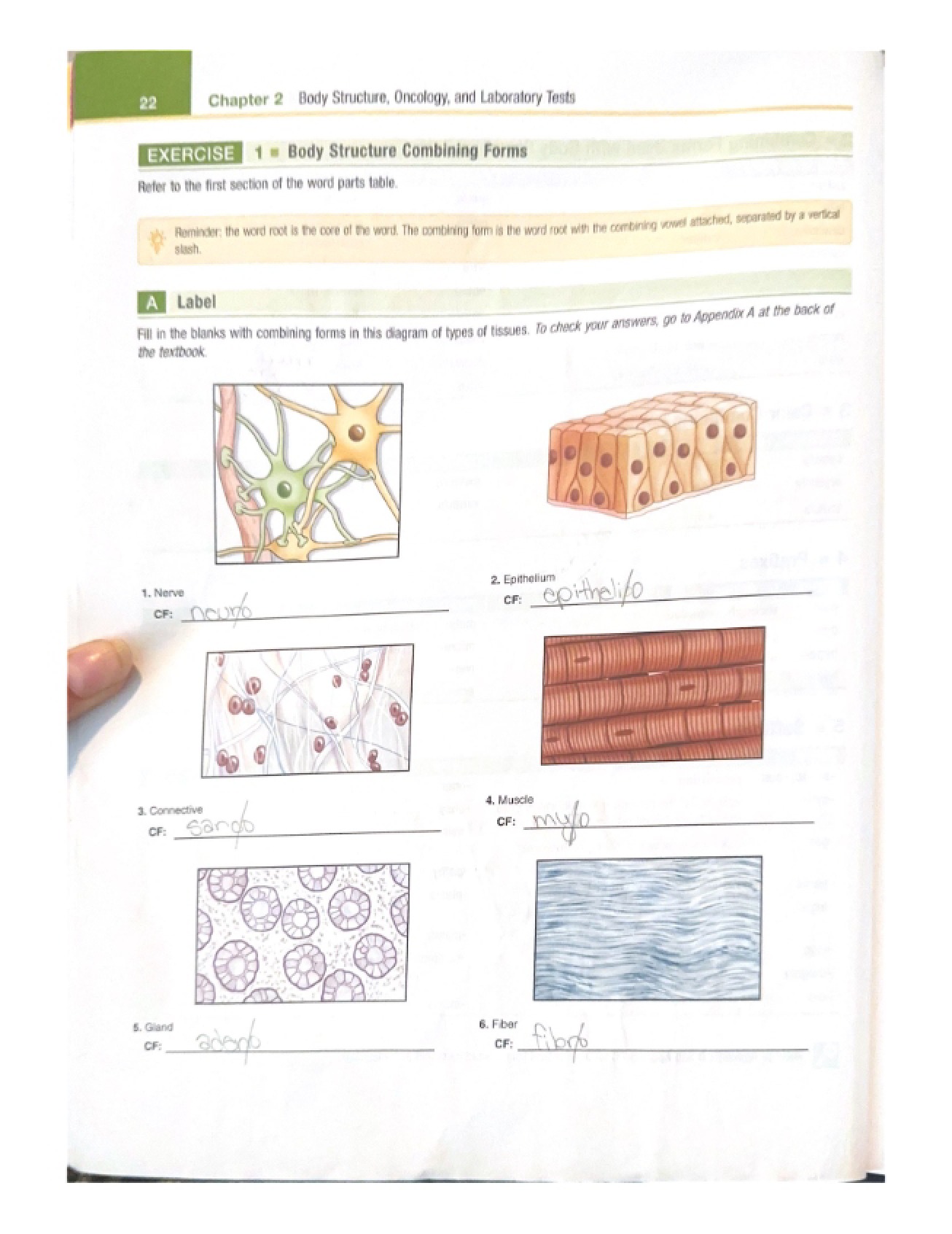
* Descriptions of the two main cell types in the nervous system: neurons and neuroglia.
* A detailed look at the central nervous system (CNS) and peripheral nervous system (PNS), including their subdivisions.
* An overview of different types of neuroglia (astrocytes, microglial cells, ependymal cells, oligodendrocytes, satellite cells, and Schwann cells) and their functions.
* An introduction to neuron structure, including cell bodies, dendrites, and axons, and the distinction between tracts and nerves.
This preview covers the initial sections outlining the nervous system’s functions, cellular components, and broad organizational structure. It does *not* include the detailed descriptions of neuron processes, synapse structure, or myelin sheath formation found later in the document.