What This Document Is
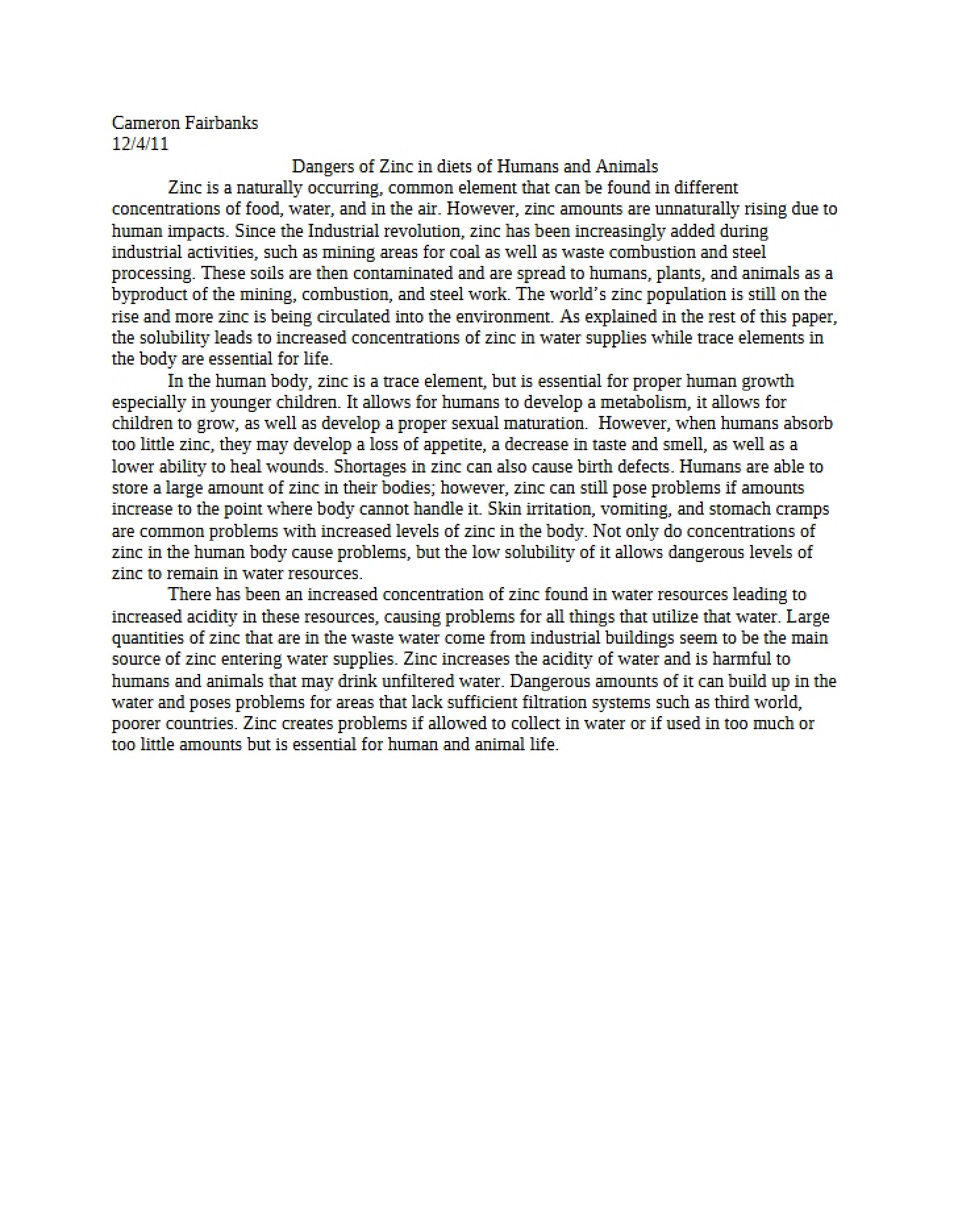
This resource is a focused exploration of a crucial element – zinc – and its complex role in both human and animal health, as well as environmental systems. It delves into the increasing presence of zinc in our world, moving beyond its naturally occurring state to examine how human activities are impacting its distribution. The material presents a scientific investigation into the element’s essential functions alongside potential hazards associated with both deficiencies *and* excesses. It’s geared towards students seeking a deeper understanding of biochemical processes and environmental chemistry.
Why This Document Matters
Students enrolled in introductory chemistry, biology, or environmental science courses will find this particularly valuable. It’s ideal for those preparing for discussions or assignments related to trace elements, toxicology, or the impact of industrial processes on ecosystems. Individuals interested in the intersection of public health and environmental concerns will also benefit from the insights presented. This resource can serve as a strong foundation for understanding the delicate balance required for maintaining health within biological systems and the wider environment.
Common Limitations or Challenges
This material focuses on the *concepts* surrounding zinc’s role and impact. It does not offer detailed experimental procedures, specific medical diagnoses, or remediation strategies for zinc contamination. It also doesn’t provide a comprehensive overview of all heavy metal pollutants, concentrating specifically on zinc. The resource assumes a basic understanding of chemical principles and biological processes.
What This Document Provides
* An overview of the sources of zinc in the environment, both natural and anthropogenic.
* A discussion of zinc’s biological importance to humans and animals.
* An examination of the consequences of zinc imbalances – both deficiencies and overexposure.
* Exploration of the impact of zinc concentration on water quality and potential ecological effects.
* Insight into how industrial activities contribute to the changing levels of zinc in the environment.