What This Document Is
This study guide provides a detailed exploration of zooplankton, a crucial component of marine ecosystems. Specifically, it delves into the information presented in chapters 6-8 of Miller’s textbook, as used in the Biological Oceanography (OS 130) course at the University of California, Santa Cruz. It’s designed to support your understanding of the diverse world of planktonic animals and their ecological roles. This resource focuses on the characteristics, habitats, and significance of various zooplankton groups within the ocean environment.
Why This Document Matters
This guide is an invaluable resource for students enrolled in Biological Oceanography or related marine science courses. It’s particularly helpful when studying marine food webs, plankton ecology, and the biological processes driving ocean productivity. Use this guide to reinforce your understanding of lecture material, prepare for assessments, and deepen your knowledge of these often-overlooked but vitally important organisms. It’s best utilized alongside your textbook and course notes for a comprehensive learning experience.
Topics Covered
* Major classifications of zooplankton based on feeding strategies
* Detailed characteristics of key crustacean groups (copepods, euphausiids, shrimp)
* The unique features and ecological roles of chaetognaths ("arrow worms")
* An overview of protozoan diversity and their importance in marine food webs
* Gelatinous zooplankton: cnidarians, ctenophores, and salps – their structure and function
* The characteristics and ecological role of pteropods
* An introduction to meroplankton and their life cycle strategies
What This Document Provides
* A systematic overview of major zooplankton groups.
* Insights into the habitats and distributions of different zooplankton species.
* Descriptions of the physical characteristics that define each group.
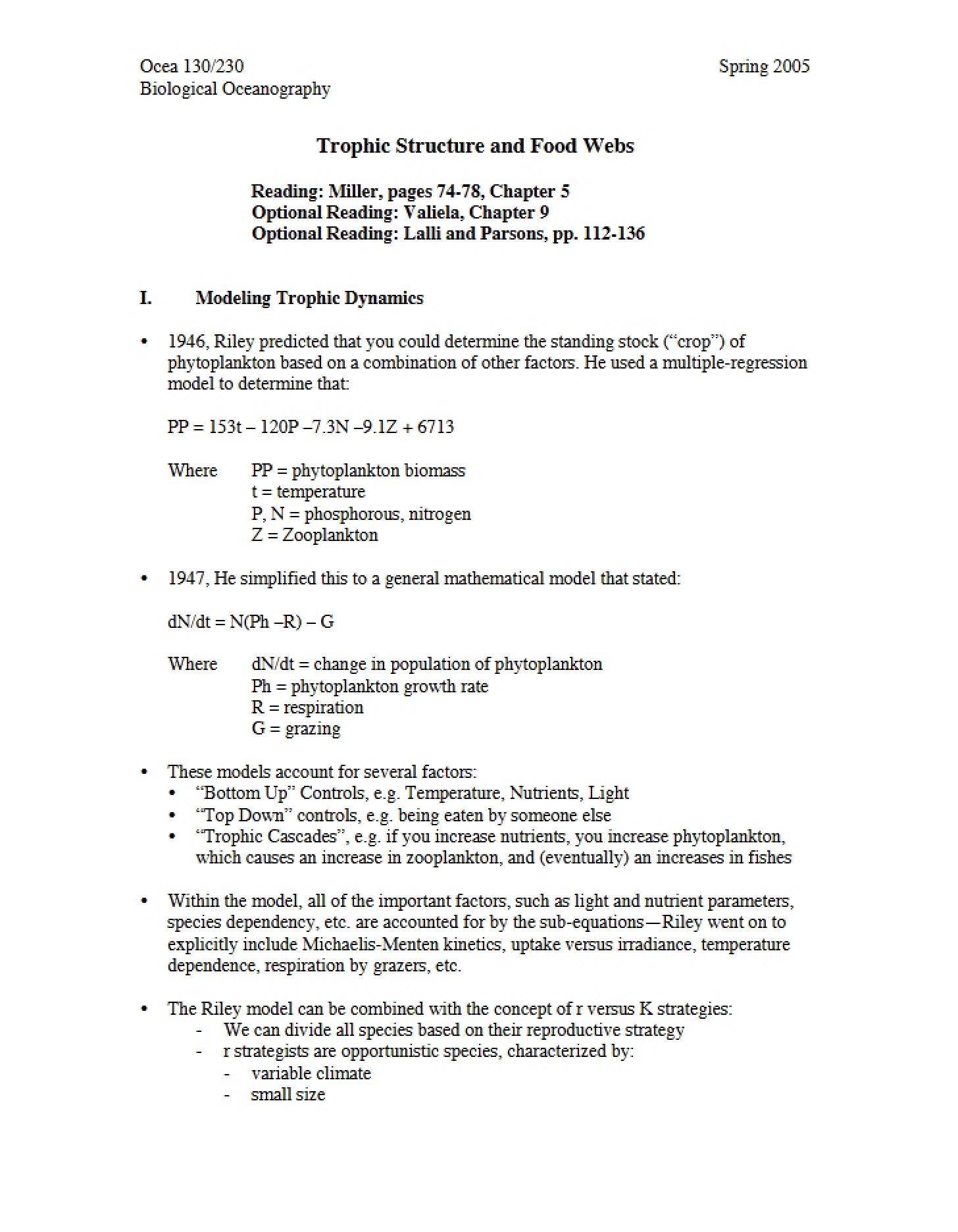
* Explanations of the roles these organisms play within marine ecosystems, particularly concerning trophic dynamics.
* A foundation for understanding the complexities of planktonic communities and their contribution to overall ocean health.