What This Document Is
This resource is a collection of practical examples demonstrating the application of survey statistical methods using the “Survey” package within the R programming environment. It’s designed as a companion to a course on sample survey theory, bridging the gap between theoretical concepts and their real-world implementation. The examples focus on illustrating how to execute various survey designs and analyses using code.
Why This Document Matters
Students enrolled in survey methodology, statistics, or data analysis courses will find this particularly useful. It’s ideal for those seeking to solidify their understanding of how to translate statistical principles into actionable code. Researchers and practitioners needing a quick reference for implementing common survey designs in R will also benefit. This is best used *after* gaining a foundational understanding of survey theory – it’s a “how-to” guide, not a conceptual introduction. It’s particularly helpful when working on assignments or projects requiring practical application of survey techniques.
Common Limitations or Challenges
This resource focuses specifically on implementation within R and the “Survey” package. It does not cover the broader aspects of survey design, such as questionnaire development, non-response bias mitigation, or data collection strategies. It assumes a basic working knowledge of R programming. While several designs are showcased, it isn’t an exhaustive list of *every* possible survey method. It also doesn’t delve into the detailed interpretation of output beyond demonstrating the code to generate it.
What This Document Provides
* Illustrative examples of applying the “Survey” package to different survey designs.
* Demonstrations of code for stratified random sampling techniques.
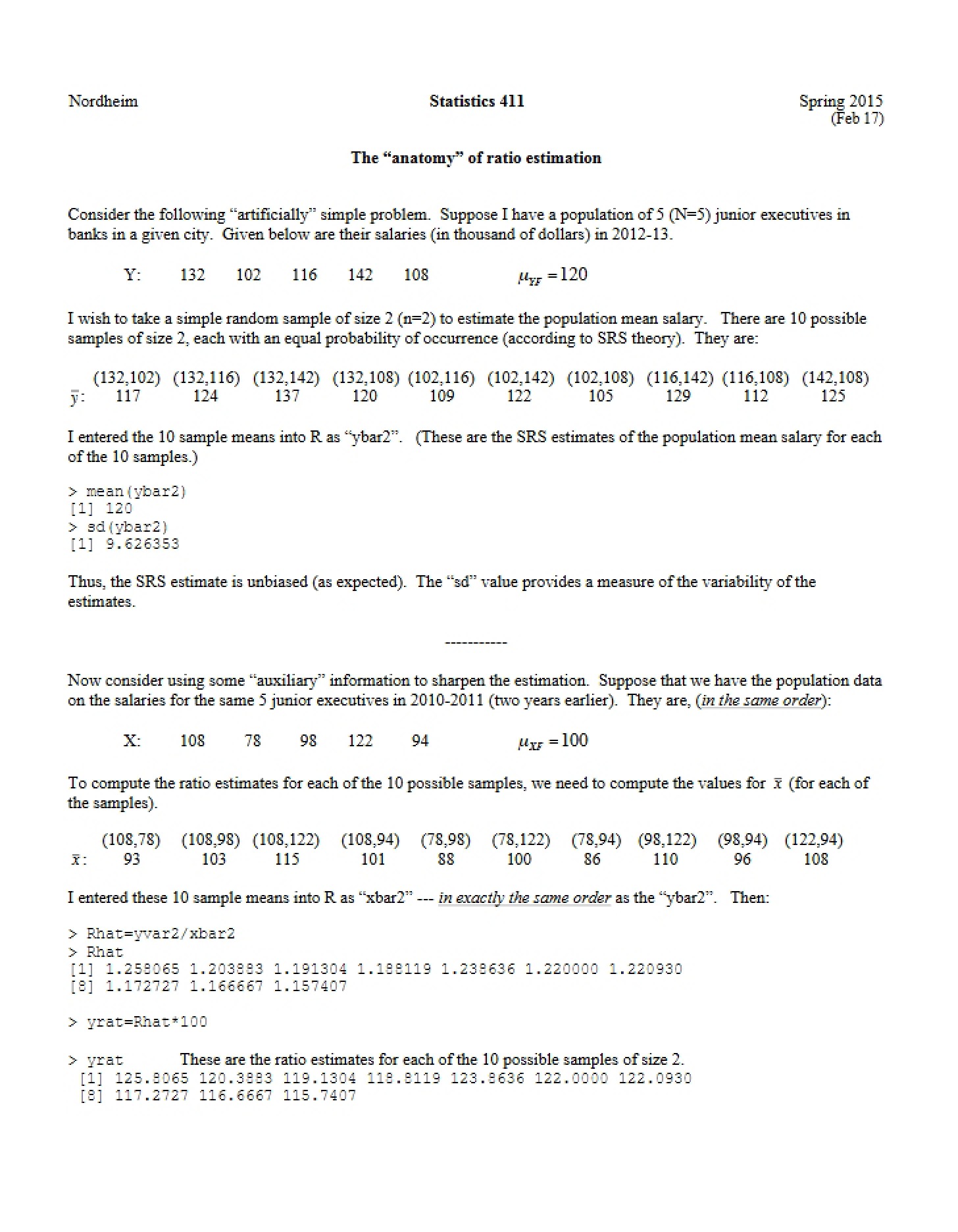
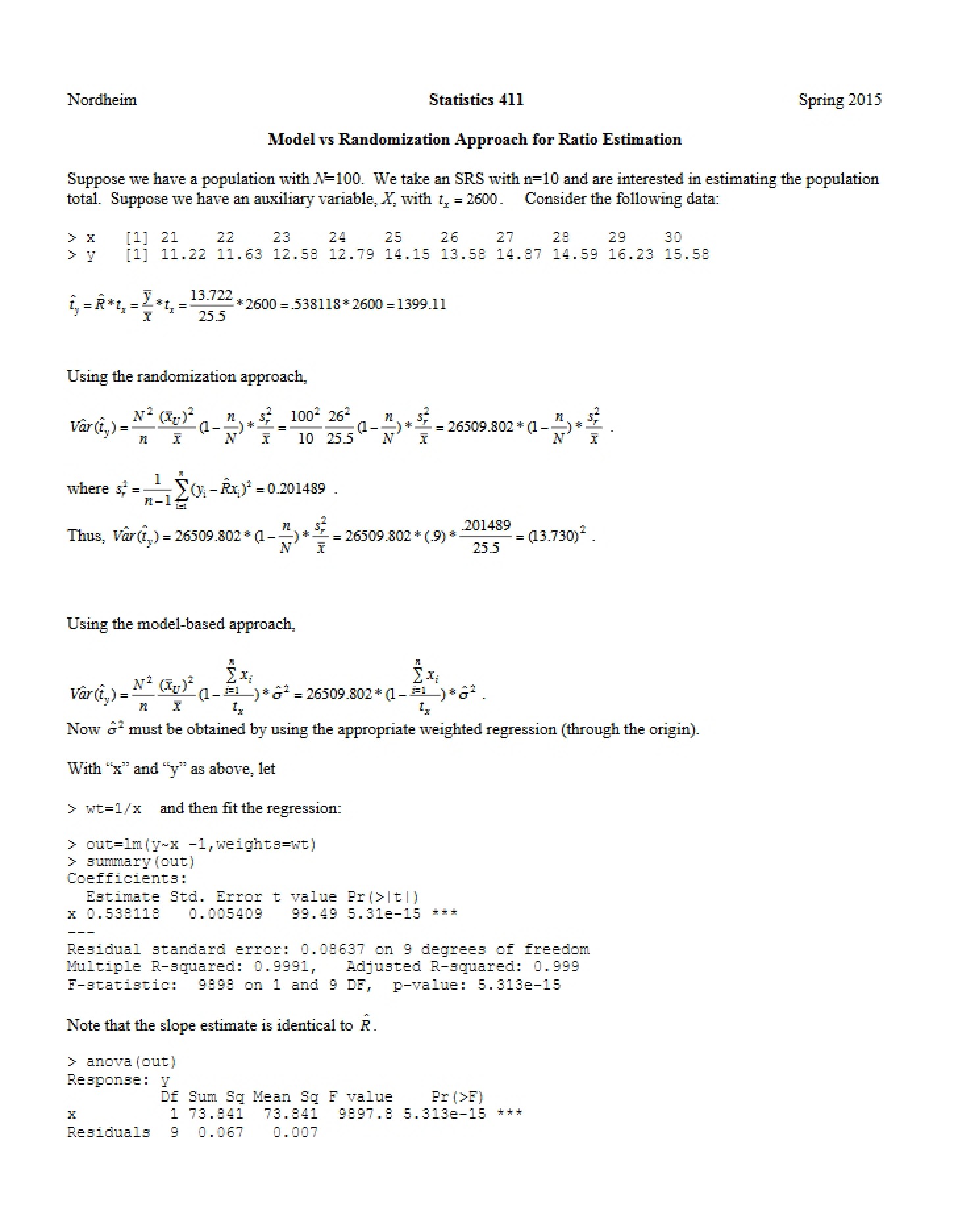
* Examples related to ratio estimation methods.
* Practical applications of two-stage cluster sampling.
* Code snippets to help you get started with data input and design specification.
* Guidance on utilizing key functions within the “Survey” package.