What This Document Is
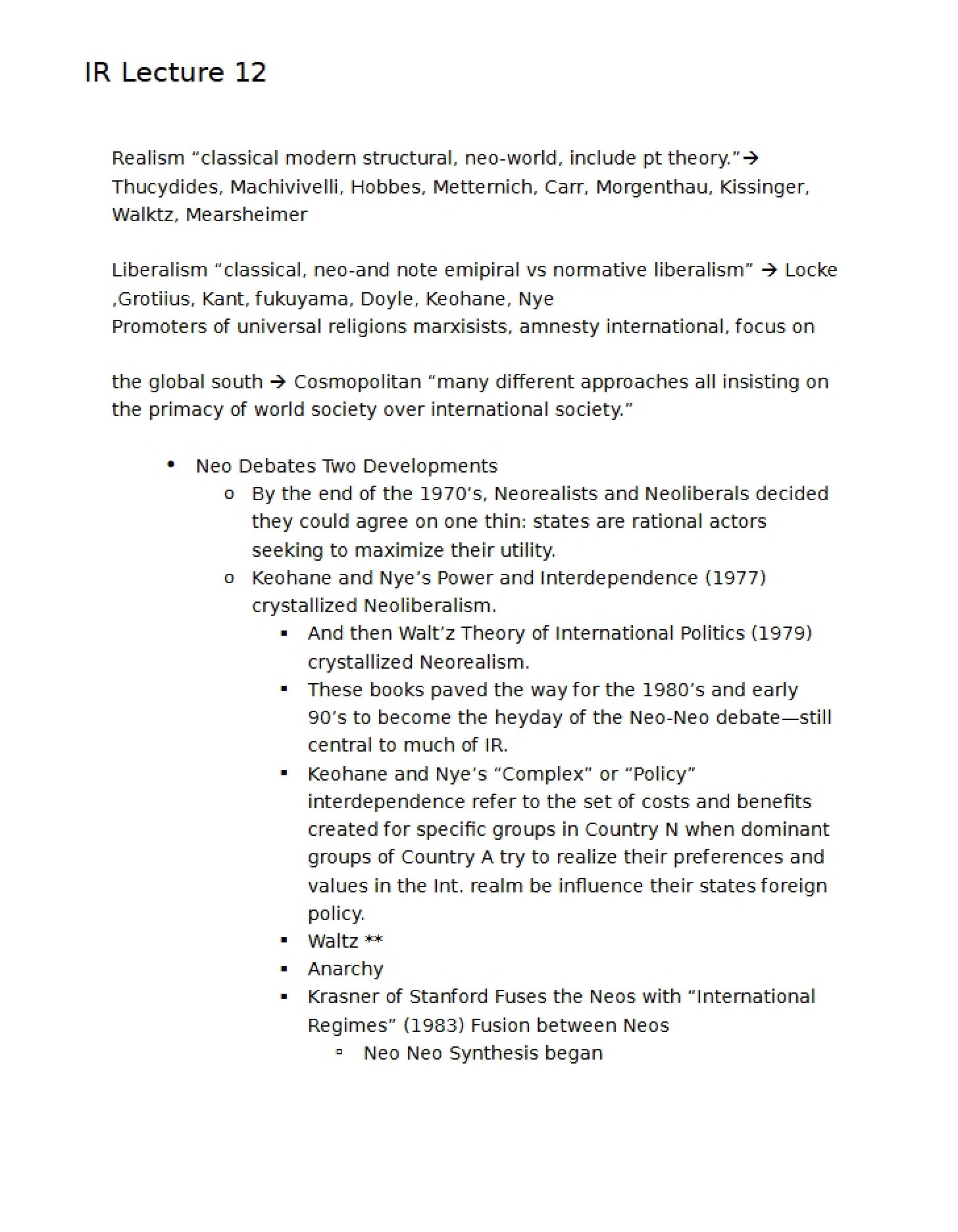
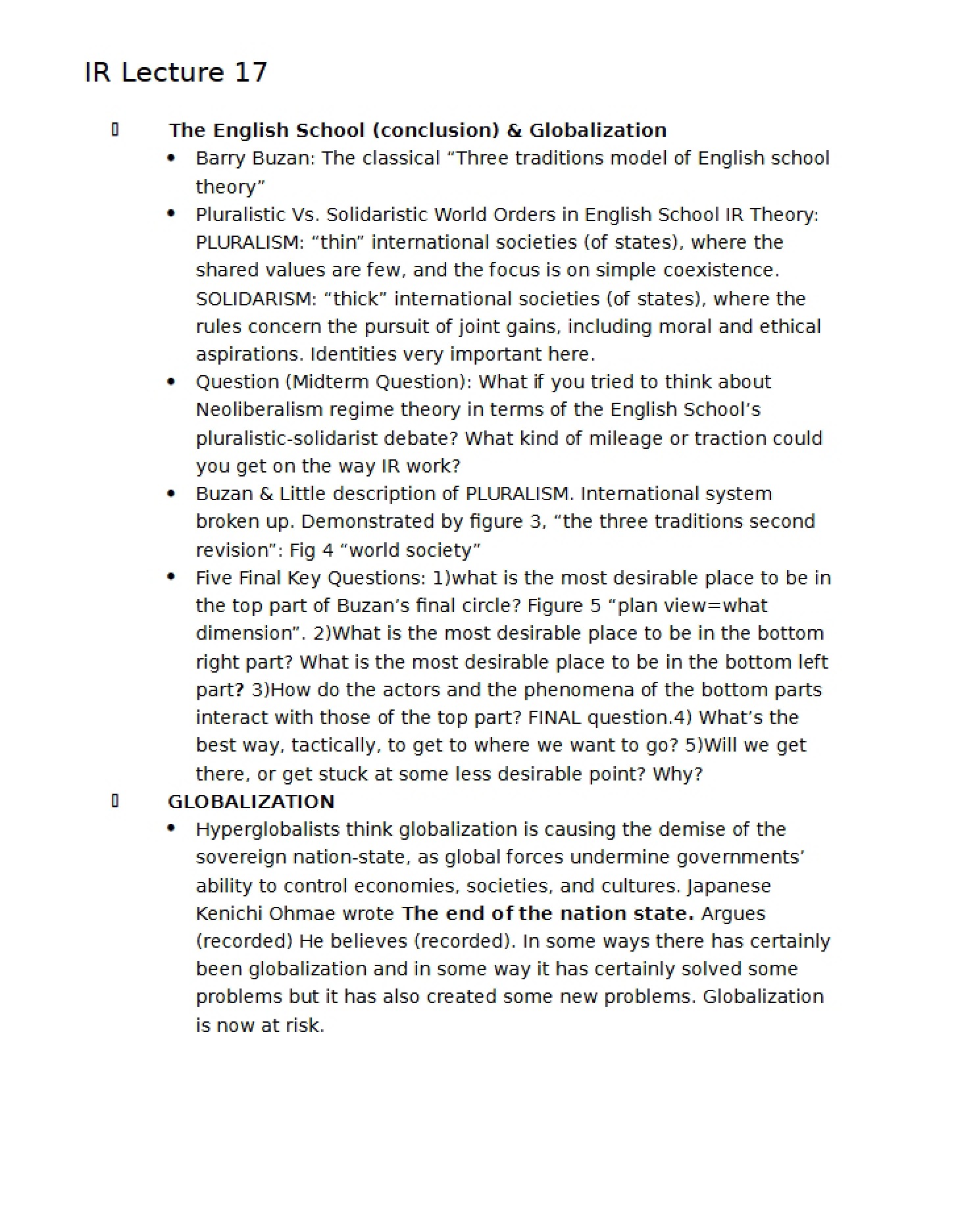
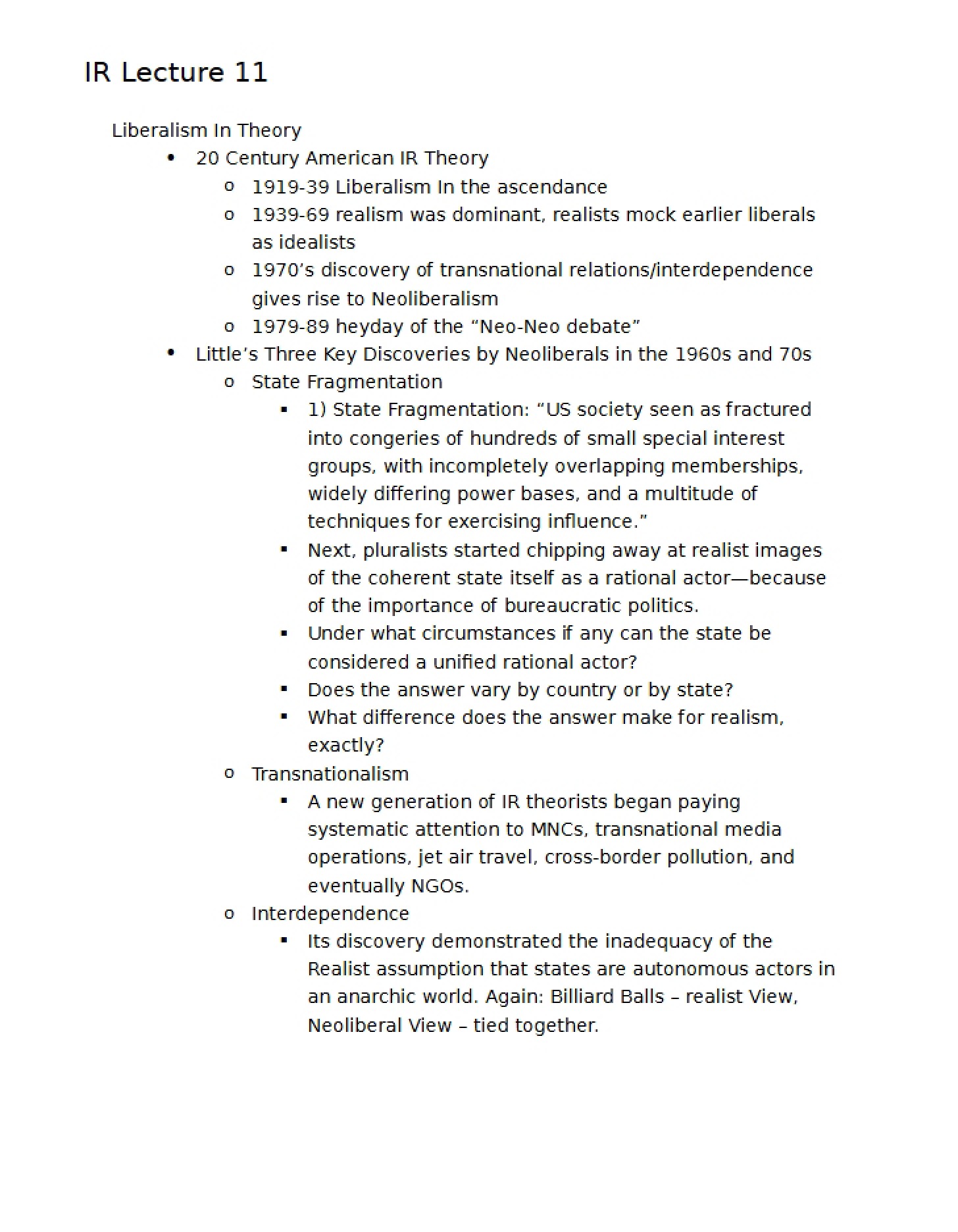
This material represents the lecture notes from IR 210 at the University of Southern California, specifically focusing on the 24th lecture of the course: Introduction to International Relations. It delves into complex relationships between environmental pressures, societal adaptation, and the potential for international conflict. The lecture explores theoretical frameworks for understanding how scarcity impacts global dynamics, and transitions into a discussion of human rights and their connection to state governance and economic development. It’s a core component of the course’s exploration of contemporary global challenges.
Why This Document Matters
Students enrolled in IR 210 will find this material essential for grasping key concepts discussed in lecture. It’s particularly valuable when preparing for discussions, formulating research questions, and building a comprehensive understanding of the course’s central themes. Those interested in the intersection of environmental studies, political science, and human rights will also benefit from reviewing the topics covered. This resource is most useful *after* attending the corresponding lecture, as it serves to reinforce and expand upon the ideas presented in class.
Common Limitations or Challenges
This material is designed to *supplement* – not replace – active participation in the IR 210 course. It does not contain a full transcript of the lecture, nor does it offer simplified summaries or pre-packaged answers to complex questions. It assumes a foundational understanding of international relations terminology and theory. Furthermore, it does not include any assigned readings or external resources; it focuses solely on the lecture’s core arguments and points of inquiry.
What This Document Provides
* An examination of the concept of “ingenuity gaps” and their potential for chronic development.
* Exploration of factors influencing a nation’s capacity to adapt to resource scarcity.
* Identification of limitations to both technical and social innovation.
* A series of critical questions regarding future global stability in the face of environmental change.
* An introduction to the relationship between economic progress, human rights, and effective governance.
* A framework for considering different theoretical perspectives (Realism, Neoliberalism, Constructivism, Feminism) on these issues.