What This Document Is
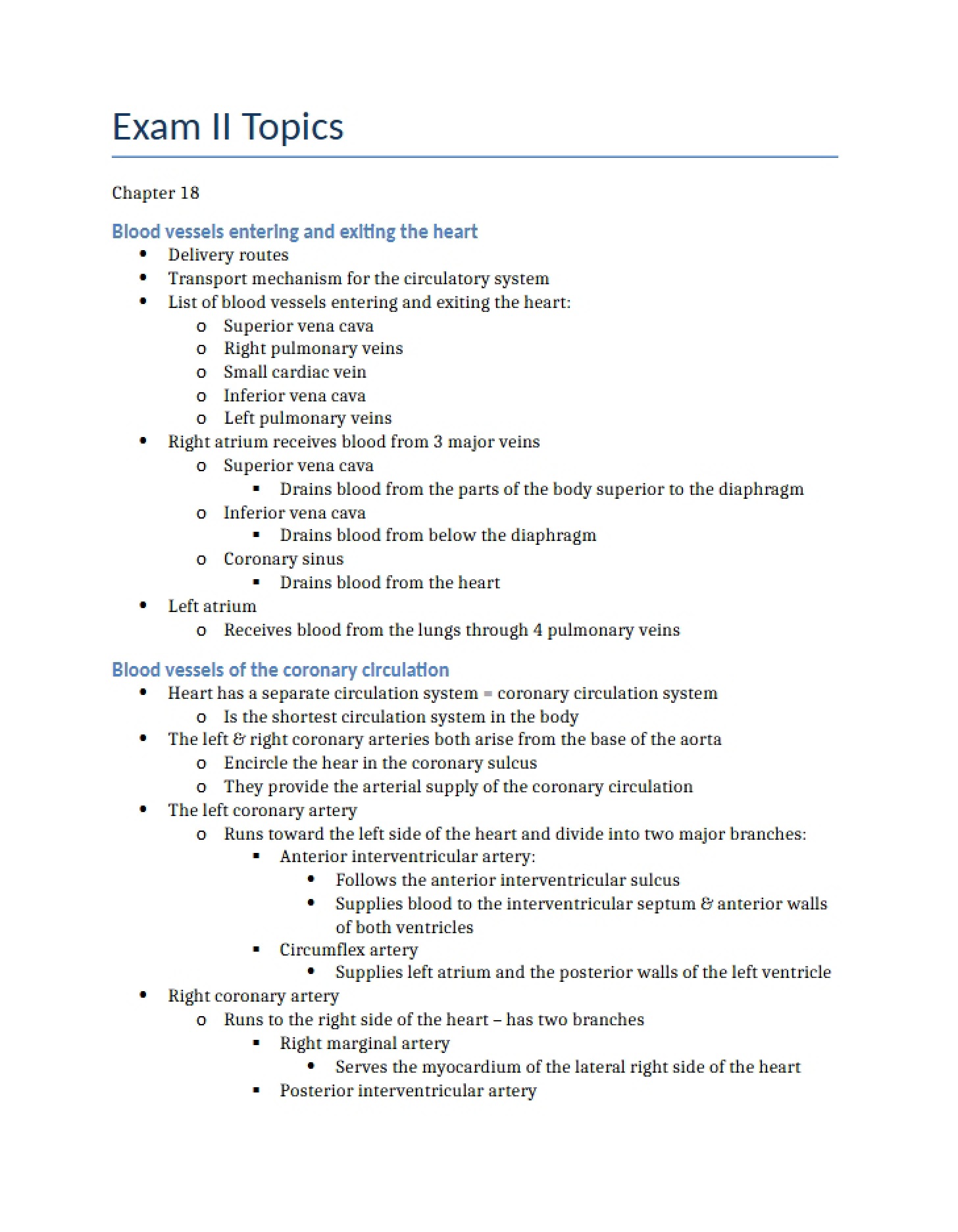
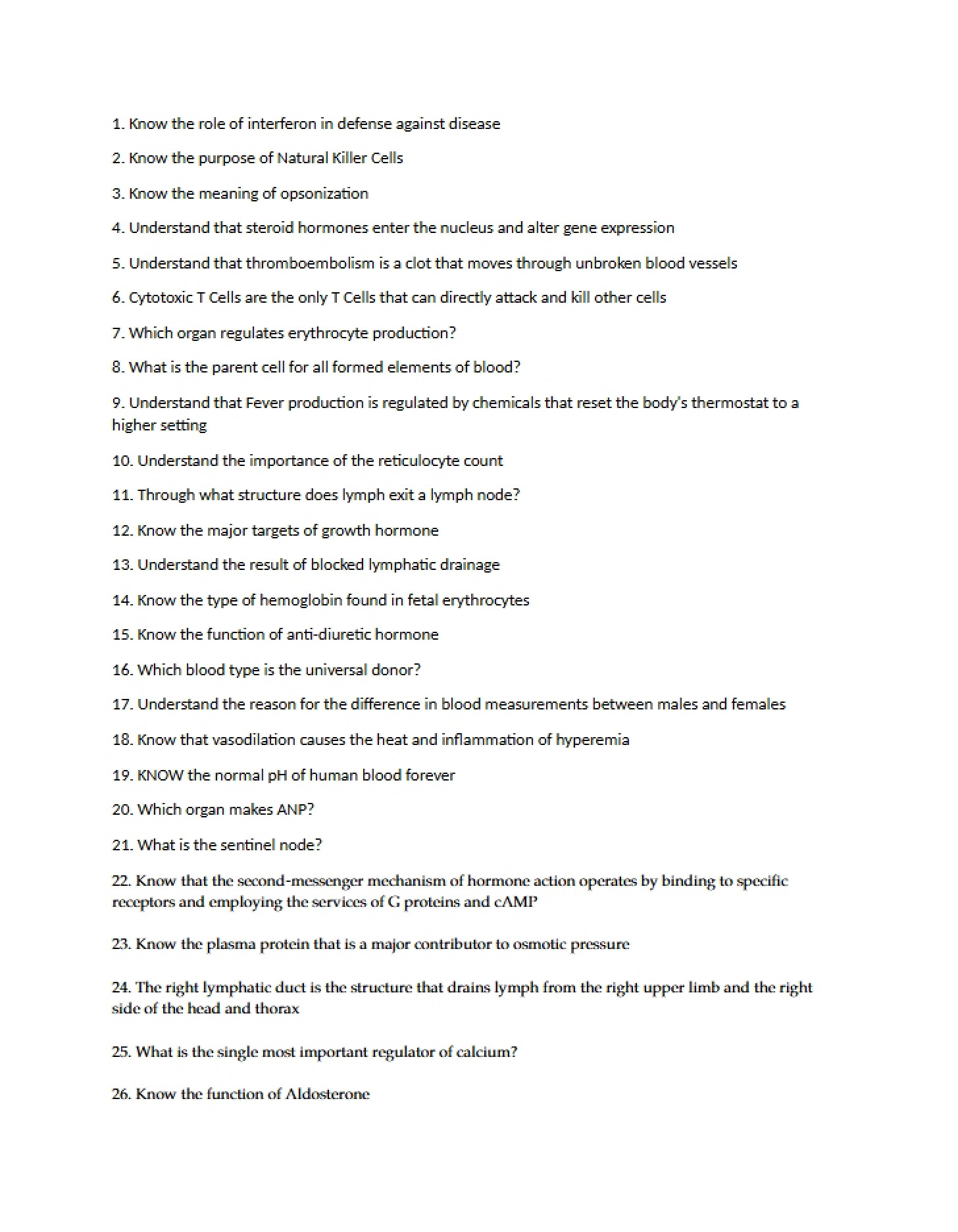
This resource is designed as focused exam preparation material for students in a Human Anatomy and Physiology II course, specifically covering the interconnected systems of fluid, electrolyte, and acid-base balance within the human body. It takes the form of a comprehensive question set, formatted to mimic the style and difficulty level of assessments commonly found in university-level A&P coursework. The material explores the critical roles these balances play in overall physiological function.
Why This Document Matters
This is an invaluable tool for students looking to solidify their understanding of a complex and often challenging topic. It’s particularly helpful for those preparing for quizzes, midterms, or final exams. Students who benefit most will be actively engaged in self-assessment and identifying areas where further study is needed. It’s best used *after* initial exposure to the core concepts through lectures and textbooks, serving as a robust method for knowledge reinforcement and application. It’s also useful for students who learn best through active recall and testing.
Common Limitations or Challenges
This document focuses on testing comprehension and does not provide extensive foundational explanations of the underlying principles. It assumes a base level of understanding of anatomical structures and physiological processes. While the questions cover a broad range of topics within fluid, electrolyte, and acid-base balance, it doesn’t offer detailed diagrams, step-by-step procedures, or in-depth case studies. It is designed to *evaluate* knowledge, not to *teach* it from scratch.
What This Document Provides
* A substantial collection of multiple-choice questions covering key concepts.
* Focus on the interplay between fluid regulation, electrolyte concentrations, and pH homeostasis.
* Exploration of hormonal and organ system contributions to maintaining balance.
* Questions addressing imbalances and the physiological consequences.
* Content related to the roles of various buffer systems in the body.
* Assessment of understanding regarding fluid shifts between body compartments.
* Examination of the impact of different physiological conditions on these balances.