What This Document Is
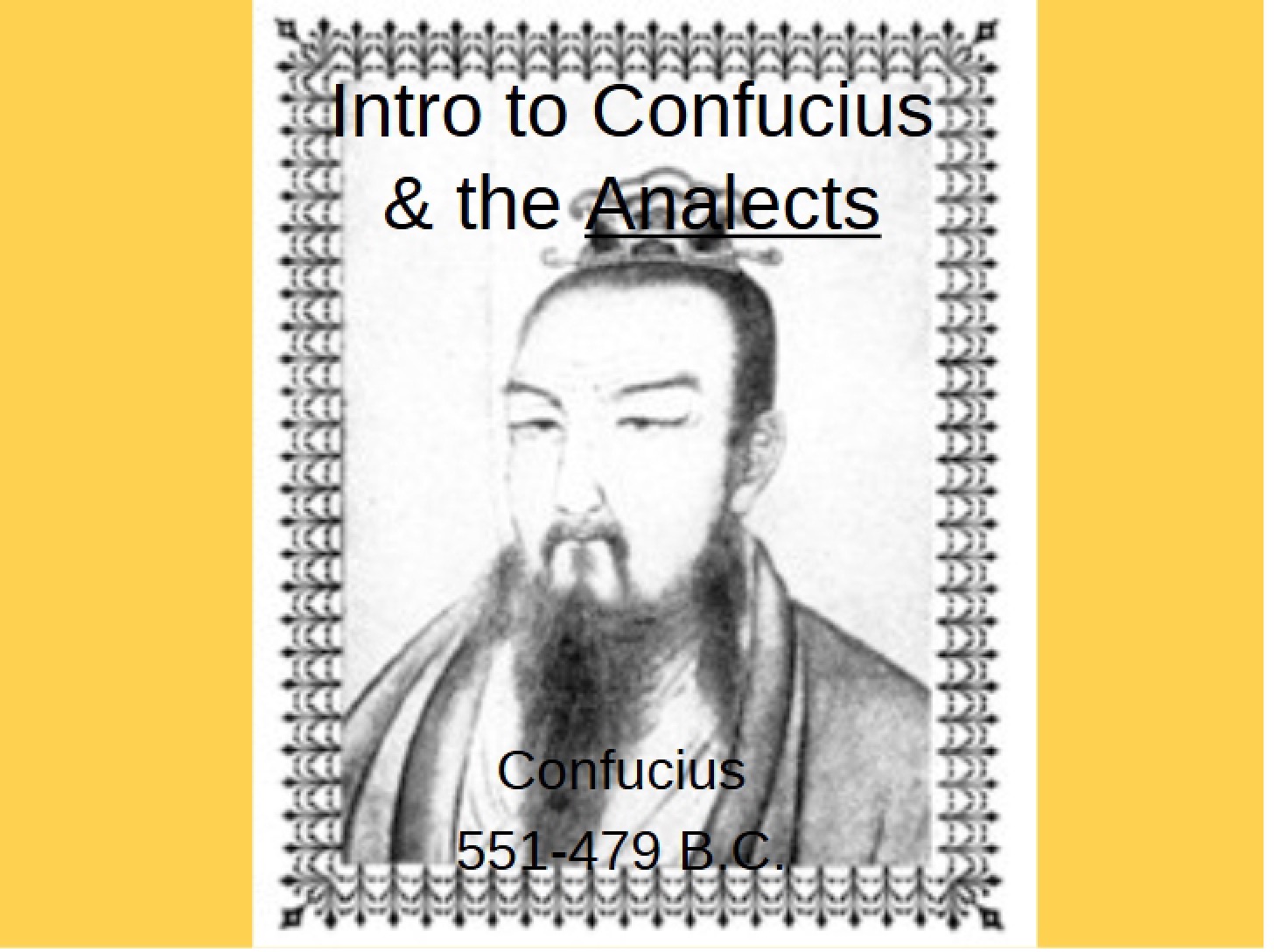
This resource is a focused study guide exploring key concepts from the *Analects* of Confucius, a foundational text in East Asian thought. Specifically, it delves into selections from Books 2.2 and 3.1, offering a framework for understanding the core tenets of Confucianism and its historical context within the Spring and Autumn Period of ancient China. It’s designed to aid students in navigating the complexities of early Confucian philosophy and its enduring influence.
Why This Document Matters
This guide is invaluable for students enrolled in East Asian Languages and Cultures courses, particularly those focusing on classical Chinese philosophy. It’s most beneficial when used in conjunction with a direct reading of the *Analects* itself, serving as a companion to deepen comprehension and facilitate critical analysis. Students preparing for class discussions, essays, or exams on Confucian ethics and political thought will find this resource particularly helpful. It’s also useful for anyone seeking a structured introduction to the central ideas of Confucianism.
Common Limitations or Challenges
This study guide does *not* provide a complete translation of the *Analects*. It focuses on specific passages and related themes, offering interpretive support rather than a substitute for engaging with the original text. It also doesn’t offer definitive answers or interpretations, but rather prompts for thoughtful consideration and independent study. The guide assumes a basic familiarity with philosophical terminology and historical context.
What This Document Provides
* An overview of the historical period in which Confucius lived and taught.
* Key definitions of central Confucian concepts, such as *Ren* (humanity), *Shu* (reciprocity), *Zhong* (loyalty), and *Li* (ritual).
* Exploration of the Confucian ideal of the *Junzi* (Gentleman/Superior Man) and the qualities that define it.
* Discussion points regarding the importance of filial piety within Confucian ethics.
* Thought-provoking study questions designed to encourage critical thinking about the application of Confucian principles to contemporary issues.
* Consideration of the role of ritual and its relationship to Confucian thought.