What This Document Is
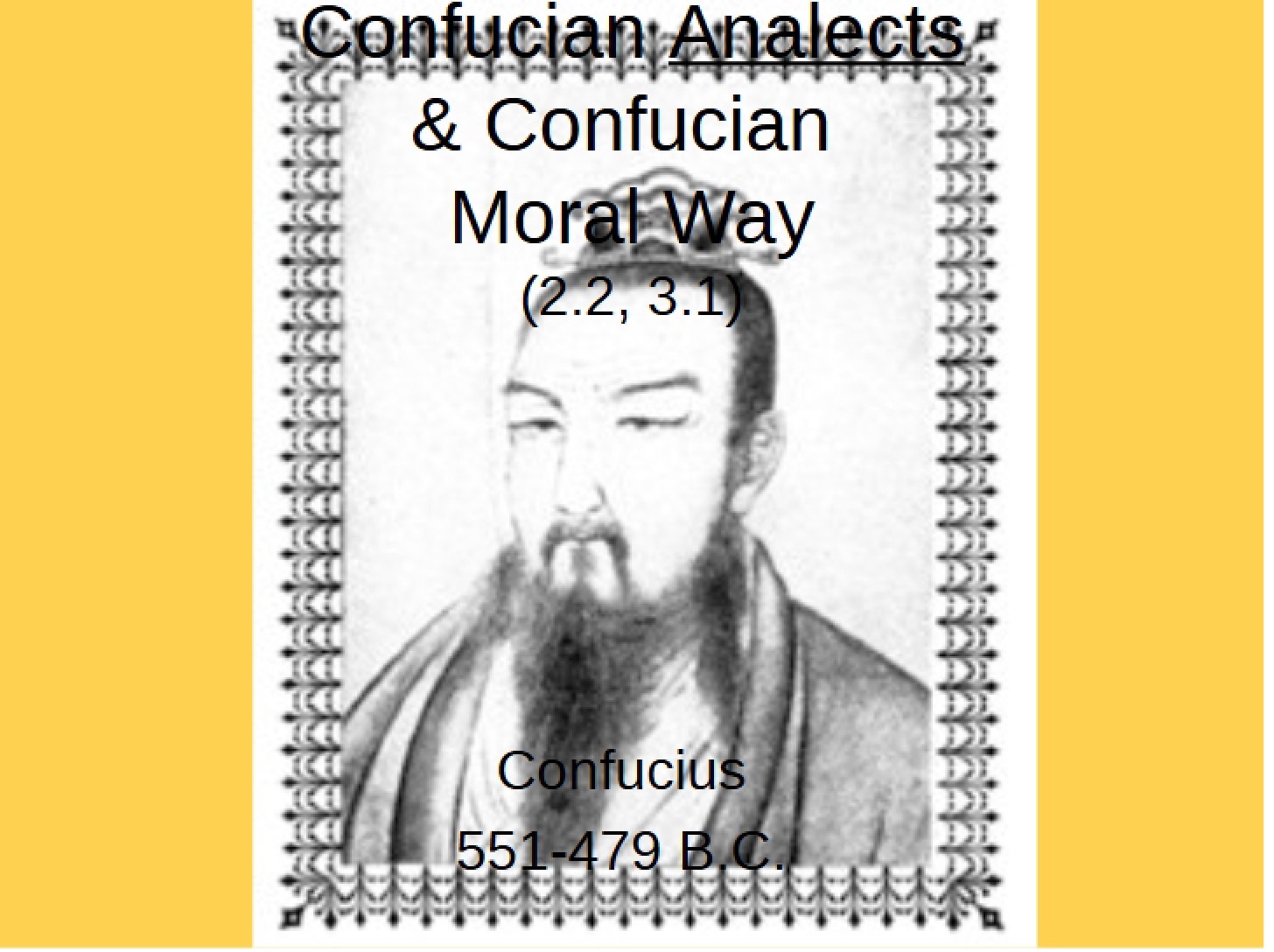
This resource offers a foundational introduction to the life and teachings of Confucius, with a particular focus on the *Analects* – a collection of his sayings and ideas. It’s designed as a starting point for understanding Confucianism within the broader context of ancient Chinese history, specifically the Spring and Autumn Period. The material explores core concepts central to Confucian thought and examines the historical and philosophical underpinnings of this influential school of thought.
Why This Document Matters
This is an essential resource for students enrolled in East Asian Languages and Cultures courses, particularly those focusing on Chinese philosophy, history, or religion. It’s ideal for those beginning their study of Confucianism and seeking a structured overview before diving into primary texts. It’s also beneficial for anyone interested in understanding the historical roots of East Asian social and political thought, and how these ideas continue to resonate today. Use this as a springboard for deeper exploration of the *Analects* and related scholarship.
Common Limitations or Challenges
This introduction provides a broad overview and does not offer in-depth analysis of specific passages within the *Analects*. It will not provide definitive interpretations of Confucian concepts, nor does it offer a comprehensive history of Confucianism’s development over time. It’s a starting point, not an exhaustive treatise. Furthermore, it doesn’t delve into comparative analyses with other philosophical traditions.
What This Document Provides
* An overview of the historical context surrounding Confucius’s life and the Spring and Autumn Period.
* Discussion of key biographical details regarding Confucius’s life and travels.
* An introduction to the structure and origins of the *Analects*.
* Exploration of central Confucian concepts and their significance.
* Consideration of the sources of authority within Confucian ethics.
* An initial look at core Confucian ideals like the “Gentleman” (*Junzi*) and *Ren*.