What This Document Is
This study guide provides a focused exploration of analgesics used in the context of inflammation, specifically tailored for dental pharmacology students. It delves into the complex interplay between the body’s natural defense mechanisms and the pharmaceutical interventions used to manage inflammatory responses. This resource is designed to supplement core coursework and enhance understanding of key pharmacological principles as they relate to dental practice.
Why This Document Matters
Students in Pharmacology for Dentistry (PCOL 331) at the University of Illinois at Chicago will find this guide particularly beneficial when studying the physiological basis of pain and inflammation, and the pharmacological approaches to their management. It’s ideal for reinforcing lecture material, preparing for assessments, and building a solid foundation for clinical applications. Dental professionals seeking a refresher on the mechanisms of action of common anti-inflammatory analgesics will also find value in this resource.
Topics Covered
* The multifaceted nature of inflammation and its phases (acute, subacute, and chronic)
* Chemical mediators involved in the inflammatory process and their specific roles
* Vascular and cellular events that characterize inflammatory responses
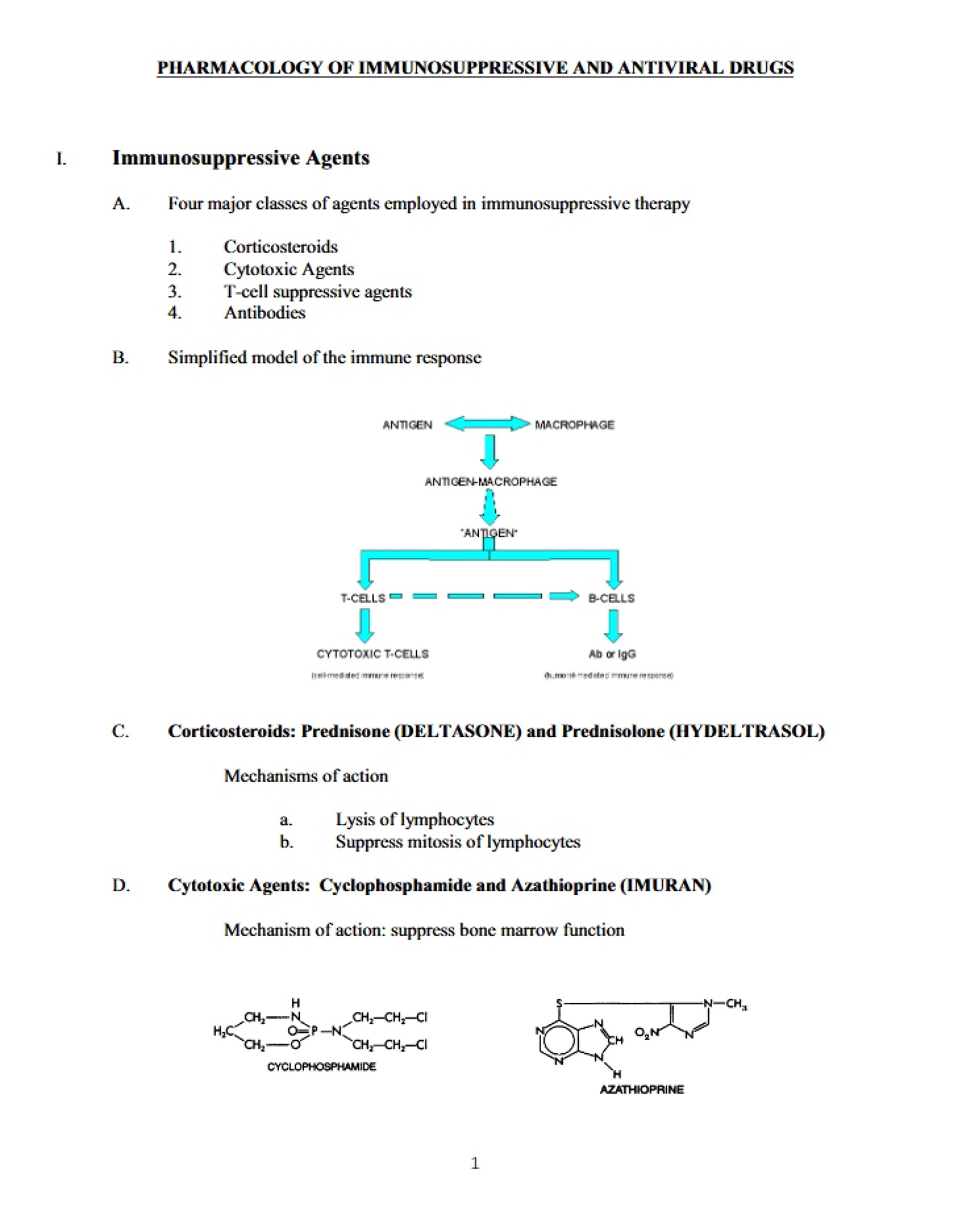
* The distinction between innate and adaptive immune responses
* Mechanisms of action of various analgesic drug classes used to combat inflammation
* The role of autocoids in initiating and modulating inflammation
* Humoral and cell-mediated immune responses and their relevance to inflammatory conditions
What This Document Provides
* A detailed overview of the inflammatory process, from initial triggers to long-term consequences.
* An examination of the key players in the immune system and their contributions to inflammation.
* A comparative analysis of different inflammatory mediators and their effects on physiological processes.
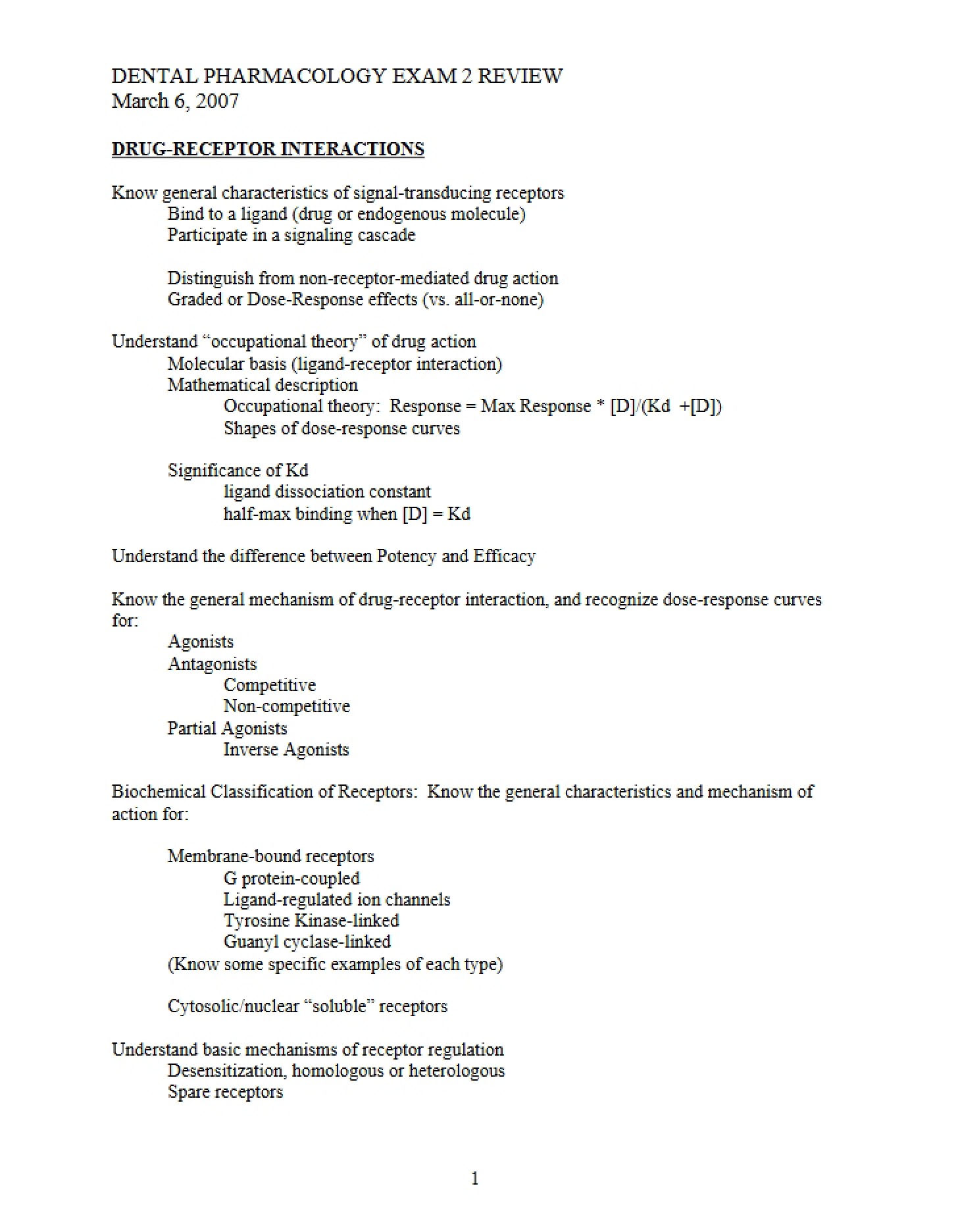
* A framework for understanding how pharmacological agents interact with the inflammatory cascade.
* Connections to assigned readings from *Pharmacology and Therapeutics for Dentistry, 5th edition* by Yagiela et al.