What This Document Is
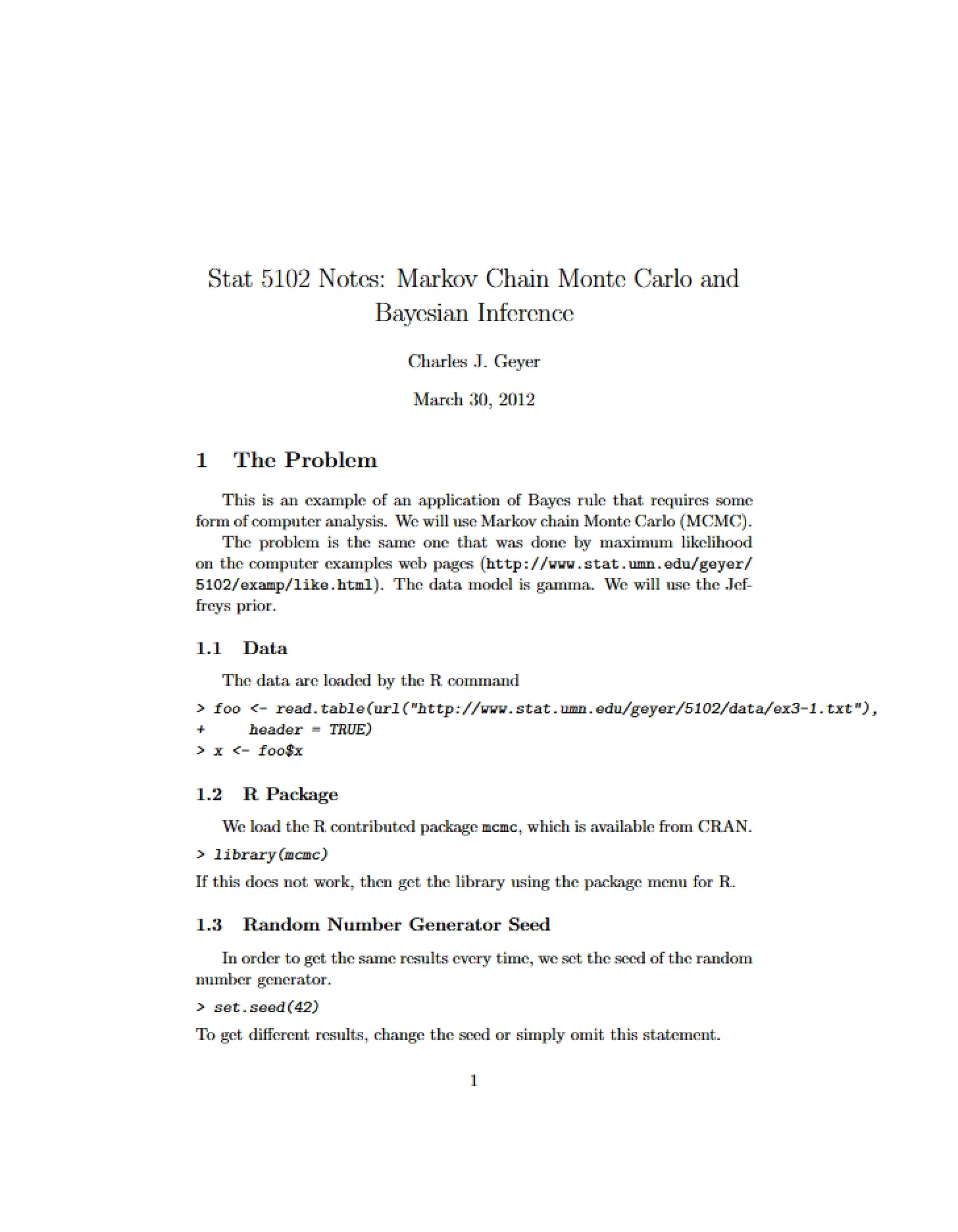
This is a homework assignment for STAT 5102: Theory of Statistics II, offered at the University of Minnesota Twin Cities. It focuses on applying generalized linear models (GLMs) and regression techniques to real-world datasets. The assignment challenges students to utilize statistical software – specifically R – to analyze data and interpret results. It builds upon concepts related to model fitting, parameter estimation, and hypothesis testing within the framework of statistical theory.
Why This Document Matters
This assignment is crucial for students enrolled in an advanced statistics course. Successfully completing it demonstrates a practical understanding of GLMs, including logit, probit, and cauchit links, and their application to different data types. It’s particularly valuable for those pursuing careers in data science, biostatistics, or any field requiring rigorous statistical analysis. Working through these problems will reinforce your ability to translate theoretical knowledge into actionable insights, a skill highly sought after by employers. This assignment is best used *after* a thorough review of lecture materials and relevant textbook chapters on GLMs and regression.
Common Limitations or Challenges
This assignment does not provide step-by-step solutions or pre-calculated results. It requires independent problem-solving and a strong grasp of the underlying statistical principles. Students will need access to statistical software (R is specified) and the datasets provided via URLs within the assignment. The assignment focuses on the *process* of statistical analysis – formulating models, interpreting coefficients, and conducting tests – rather than simply obtaining a final answer. It assumes prior knowledge of statistical concepts covered in preceding course material.
What This Document Provides
* A series of statistical problems centered around fitting and comparing different GLMs.
* Datasets accessible via provided URLs for practical application of learned techniques.
* Opportunities to explore the impact of different link functions (logit, probit, cauchit) on model outcomes.
* Exercises involving model selection criteria (AIC, BIC) and likelihood ratio tests.
* Problems requiring interpretation of regression coefficients and confidence intervals.
* Application of variable subset selection techniques using functions available in R packages.