What This Document Is
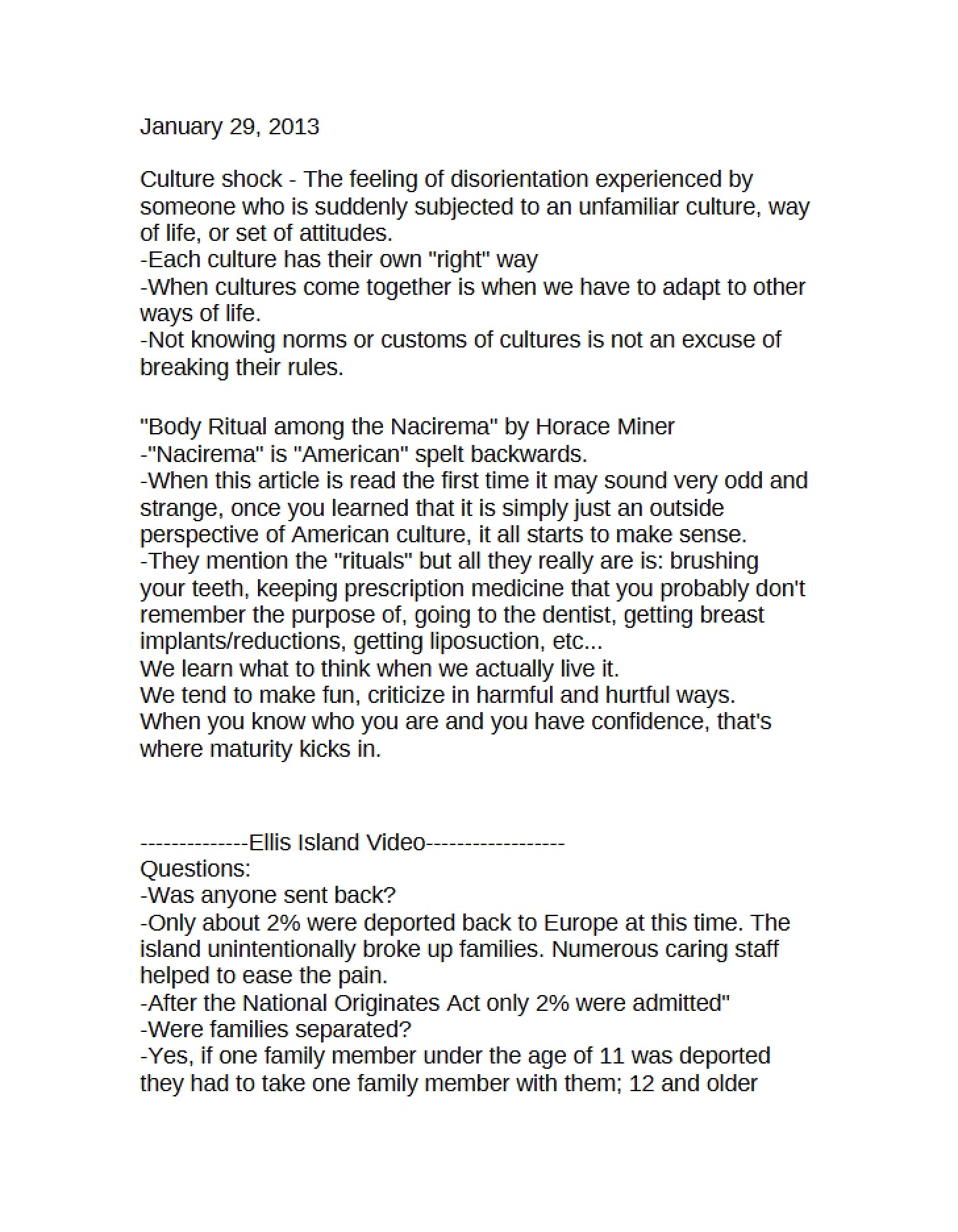
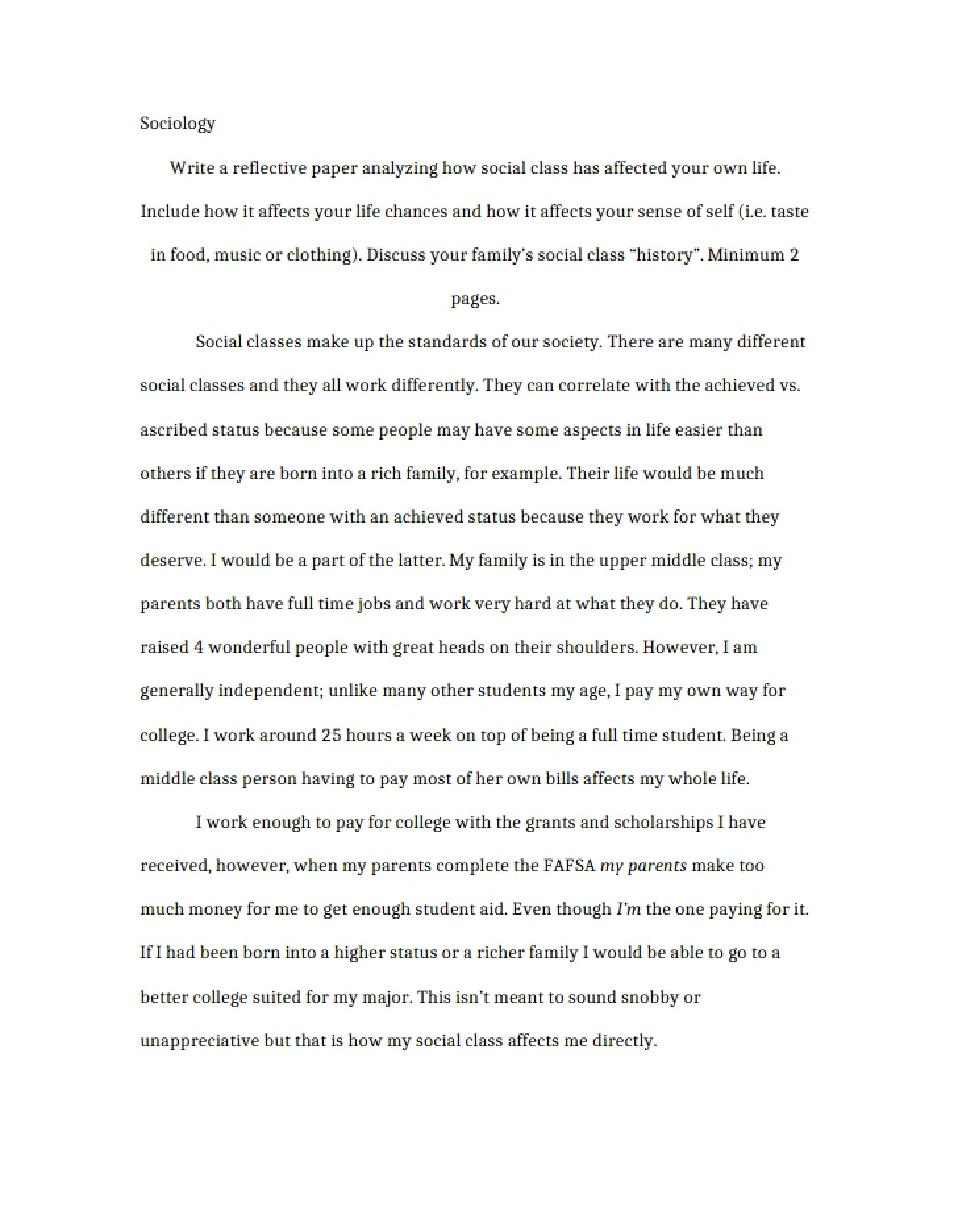
This is a writing assignment prompt and a sample student response for an introductory Cultural Anthropology course (ANT 100) at Western Connecticut State University. The assignment centers around a critical analysis of how cultural messages – specifically regarding gender – are communicated through everyday media. It requires students to apply anthropological concepts to deconstruct and interpret the underlying ideologies present in a chosen advertisement. The provided sample focuses on the representation of gender roles within a specific consumer product’s marketing.
Why This Document Matters
This resource is invaluable for students enrolled in Cultural Anthropology, Gender Studies, or Sociology courses. It’s particularly helpful when tackling assignments that require applying theoretical frameworks to real-world examples. Students preparing to write a similar reflective paper will find it useful to understand the *expected approach* to analyzing cultural artifacts. It’s best utilized *before* beginning the writing process, to grasp the scope and depth of analysis expected by the instructor, and *during* the revision stage to ensure alignment with course objectives.
Common Limitations or Challenges
Please note that this document presents a *single* example of a completed assignment. It does not offer a comprehensive list of potential advertisements for analysis, nor does it provide a step-by-step guide to completing the assignment. It will not reveal the grading rubric or specific expectations beyond the general prompt. This is intended as an illustrative piece, not a substitute for independent thought and research. Access to the full assignment details and grading criteria requires separate purchase.
What This Document Provides
* A clear articulation of the assignment’s core objective: analyzing gender messaging in advertising.
* An example of how to connect a specific advertisement to broader societal expectations.
* Demonstration of how to interpret visual cues and symbolic representations within a marketing context.
* Insight into the application of anthropological perspectives to understand cultural norms and socialization.
* A model for structuring a reflective paper that connects personal observations to academic concepts.