What This Document Is
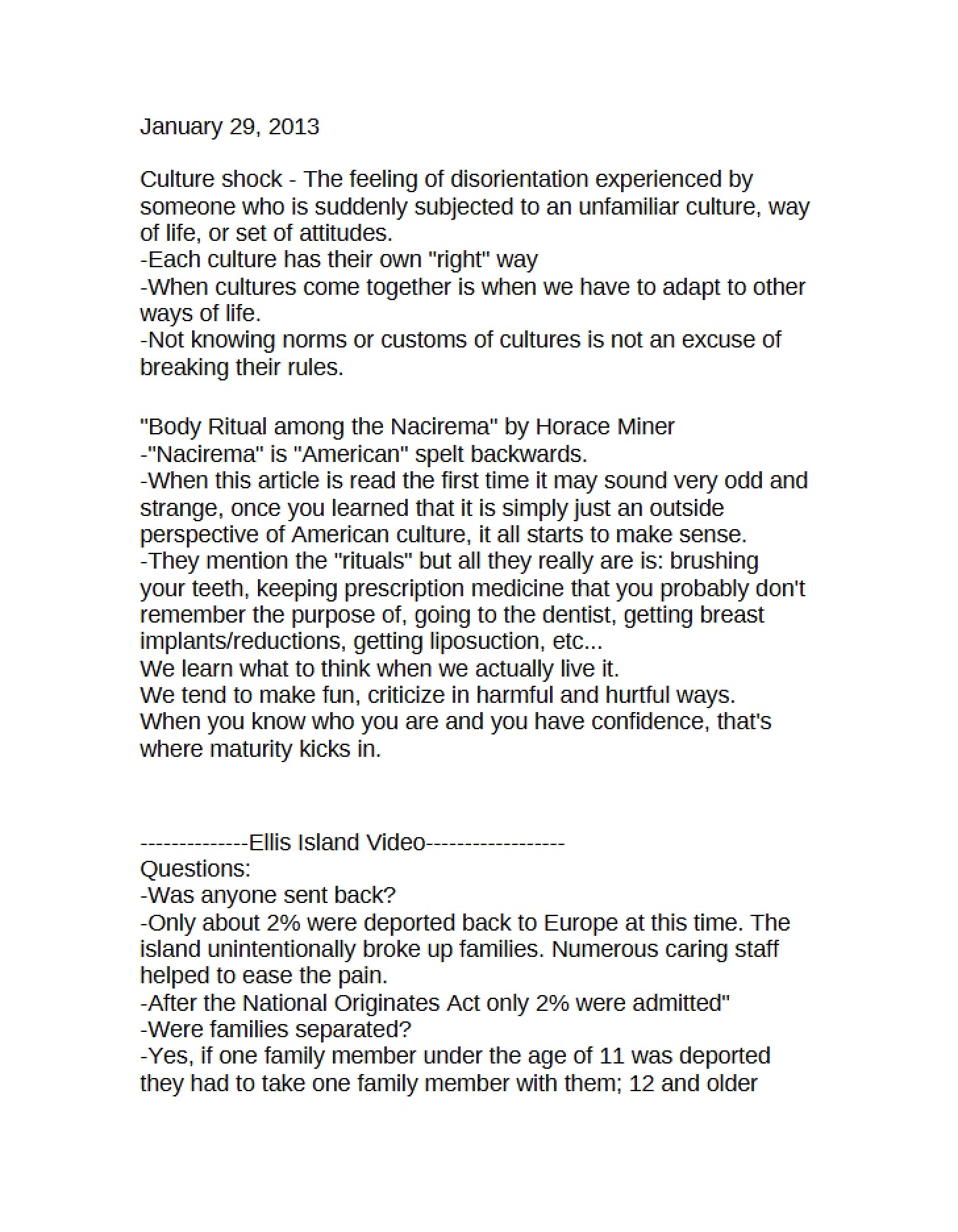
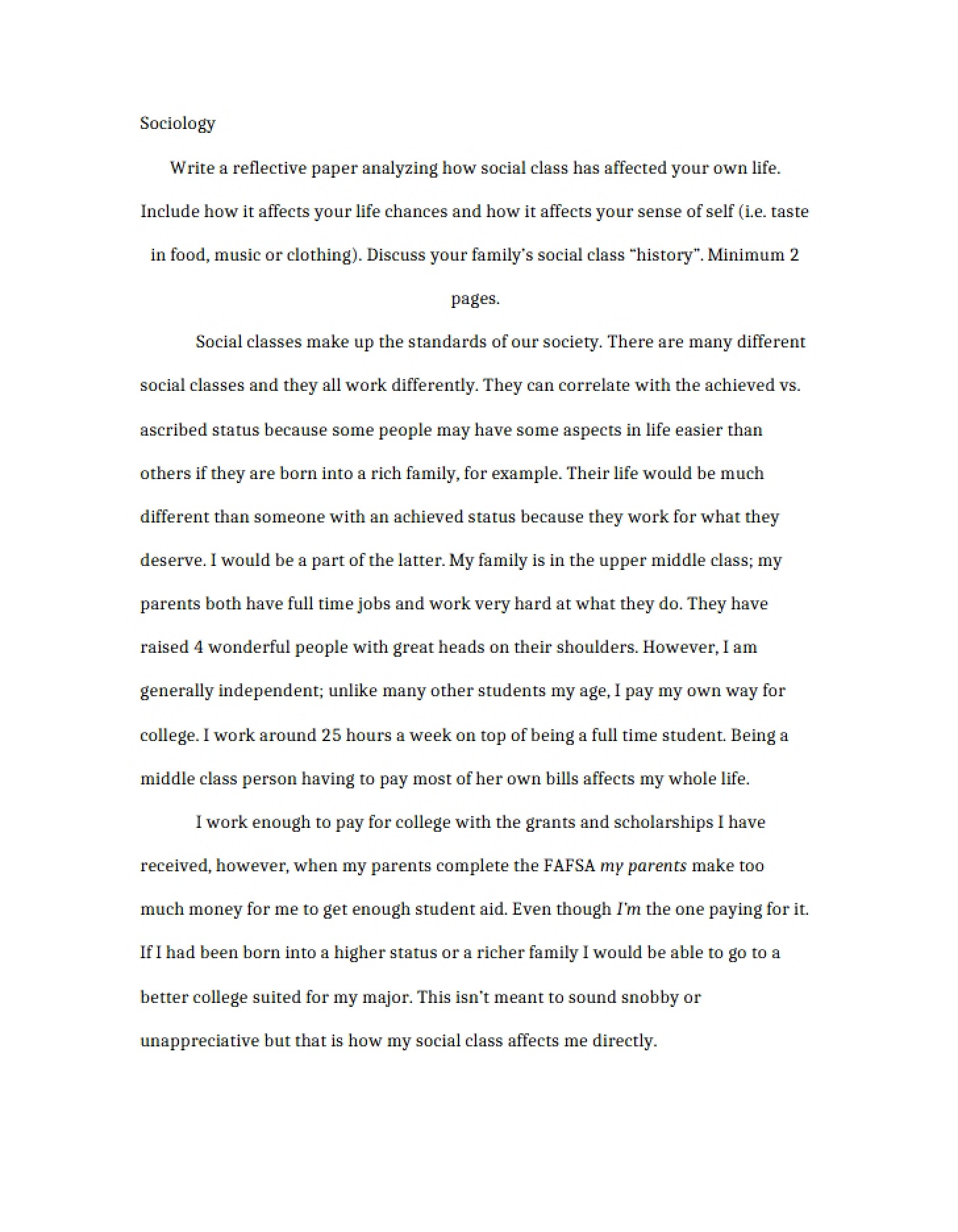
This document outlines a homework assignment for ANT 100, Introduction to Cultural Anthropology at Western Connecticut State University. It combines assignment details with foundational course concepts and a preview of upcoming assessment topics. It appears to be a blend of syllabus information, introductory lecture notes, and expectations for engaging with core anthropological ideas. The material touches upon the importance of critical thinking and understanding the interplay between individuals and the broader social world.
Why This Document Matters
This assignment is crucial for students enrolled in or considering enrollment in an introductory Cultural Anthropology course. It’s particularly helpful for those seeking to understand the scope of the course, key themes that will be explored, and the types of analytical skills the course aims to develop. Reviewing this material *before* committing to the course can help you gauge your interest and prepare for the intellectual demands of the subject. It’s also valuable for currently enrolled students needing clarification on course expectations and upcoming assessments.
Common Limitations or Challenges
This overview does not provide the complete assignment instructions, specific readings, or detailed explanations of the concepts discussed. It’s a high-level preview intended to give you a sense of the course’s direction, not a substitute for accessing the full assignment and course materials. It does not include any answers or solutions to potential assignment questions. The specific content of the assigned readings and the detailed requirements for successful completion are not included here.
What This Document Provides
* A schedule of upcoming assessments (tests and a final exam).
* Key concepts related to sociological thinking, including the “Sociological Imagination.”
* Distinctions between macro and micro sociological approaches.
* A discussion of the relationship between the social sciences and natural sciences.
* Introductions to foundational sociological thinkers and their core ideas (Durkheim, Weber, DuBois, Marx).
* Exploration of the importance of objectivity and ethics in social science research.
* An overview of different branches of sociology (applied, clinical, basic).