What This Document Is
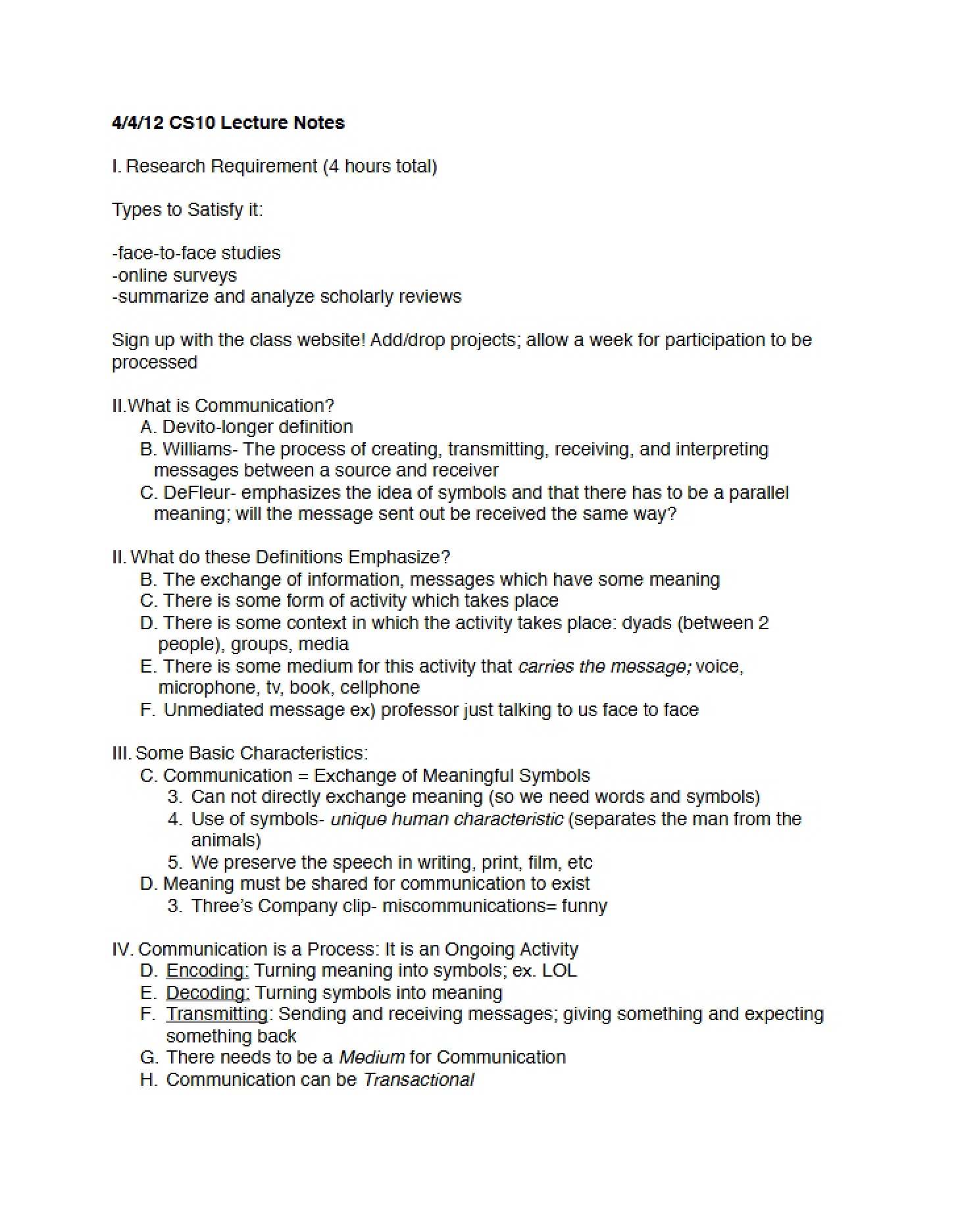
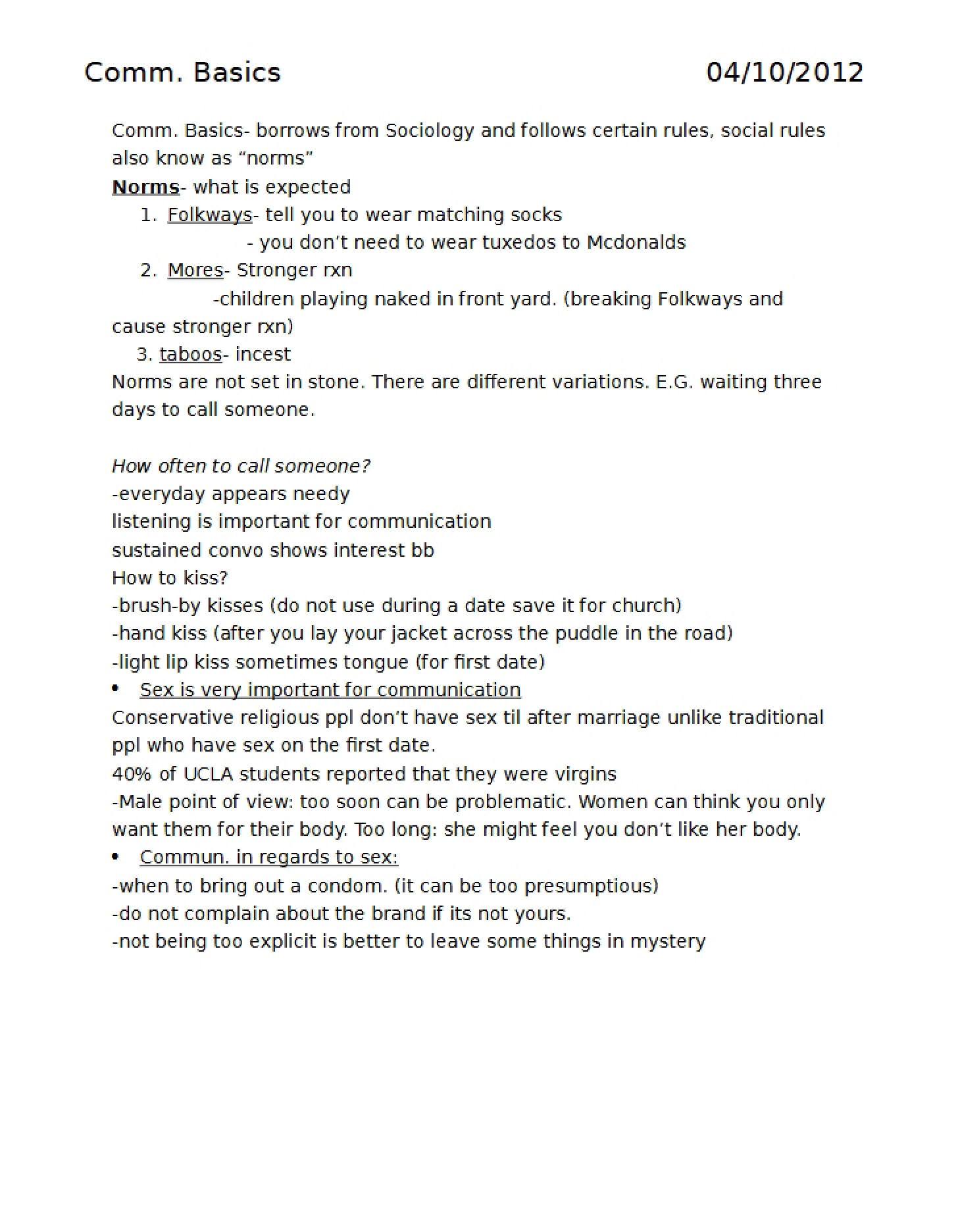
This study guide provides a focused exploration of interpersonal communication dynamics, specifically examining the factors that influence attraction, the nature of conflict, and the intricacies of relationships. Developed for students in COMMST 10 at UCLA, it delves into the core principles underpinning how we connect with, and sometimes clash with, others. It’s designed to supplement course lectures and readings, offering a concentrated overview of essential concepts.
Why This Document Matters
This resource is ideal for students seeking a deeper understanding of the communication processes that shape our personal and professional lives. It’s particularly helpful when preparing for quizzes, exams, or class discussions related to interpersonal dynamics. Anyone interested in improving their relationship skills, navigating conflict more effectively, or understanding the foundations of attraction will find this guide valuable. It’s best used in conjunction with assigned course materials to reinforce learning and identify areas needing further study.
Topics Covered
* Characteristics that define interpersonal versus impersonal communication
* The dual levels of messaging – content and relational aspects
* The impact of communication climate on relationships
* Strategies for creating confirming versus disconfirming communication environments
* The role and considerations of self-disclosure in relationship development
* Factors influencing initial attraction, including proximity and similarity
* A model outlining stages of relationship development and interaction
What This Document Provides
* A detailed overview of key concepts in interpersonal communication theory.
* An examination of how relational messages are conveyed, both verbally and nonverbally.
* Insights into the dynamics of constructive and destructive communication patterns.
* A framework for understanding the complexities of self-disclosure and its impact on relationships.
* Exploration of the stages individuals progress through as relationships evolve.