What This Document Is
This study guide provides a comprehensive overview of the nature of media and its evolving role in society, specifically within the context of a Communication Studies course. It traces the historical development of various media forms, from early symbolic representation to modern digital technologies. The material explores the fundamental processes of mass communication and how they differ from interpersonal communication. It’s designed to build a foundational understanding of how media shapes, and is shaped by, the world around us.
Why This Document Matters
This guide is invaluable for students enrolled in introductory Communication Studies courses, particularly those seeking to grasp the historical and theoretical underpinnings of media effects. It’s most helpful when preparing for lectures, reviewing course material, or studying for assessments. Anyone interested in understanding the broader societal impact of media – its influence on culture, politics, and individual behavior – will find this a useful resource. It’s a strong starting point for deeper exploration of specific media industries and communication theories.
Topics Covered
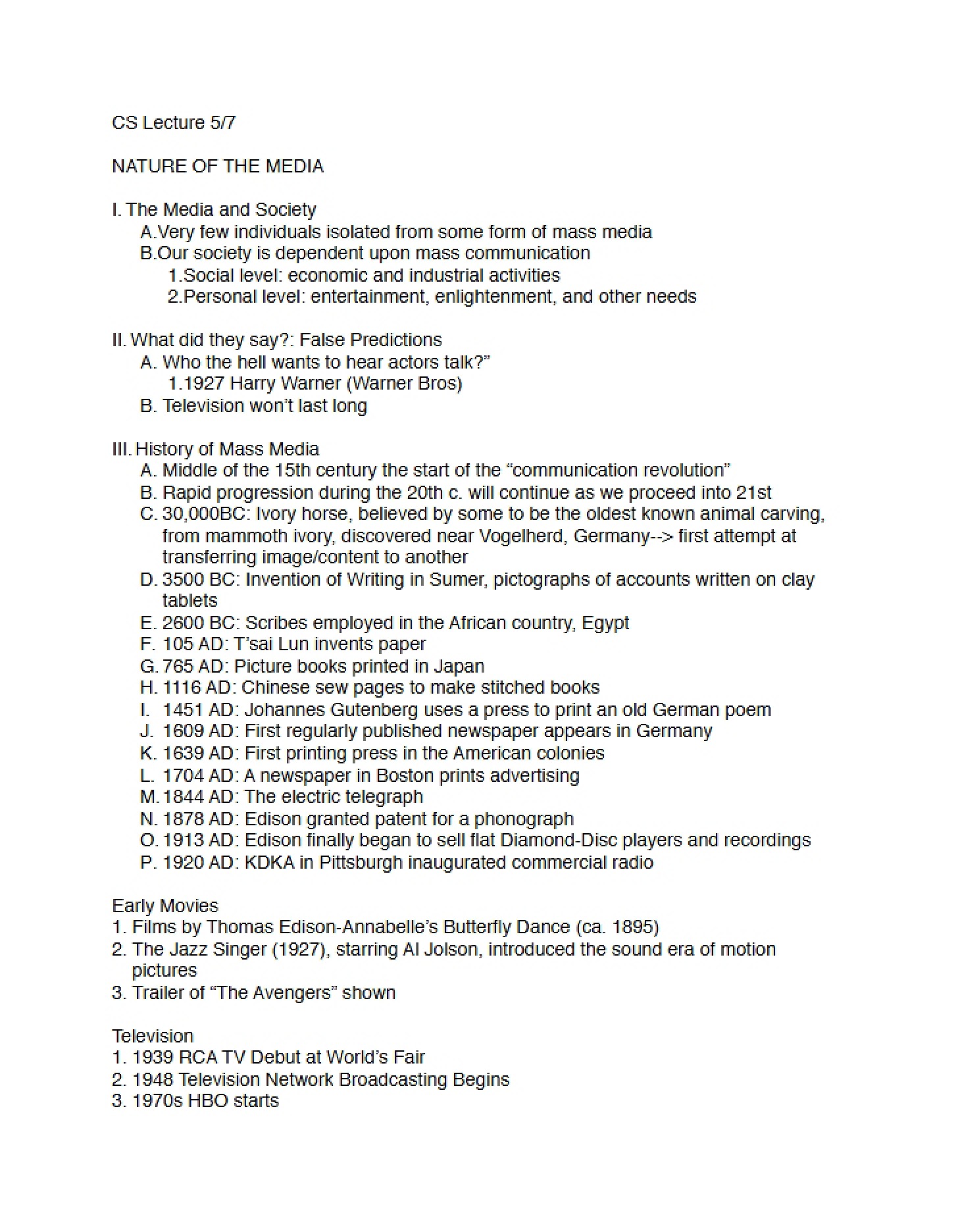
* The historical progression of media technologies, from ancient forms of communication to the digital age.
* The relationship between media and societal structures – economic, industrial, and cultural.
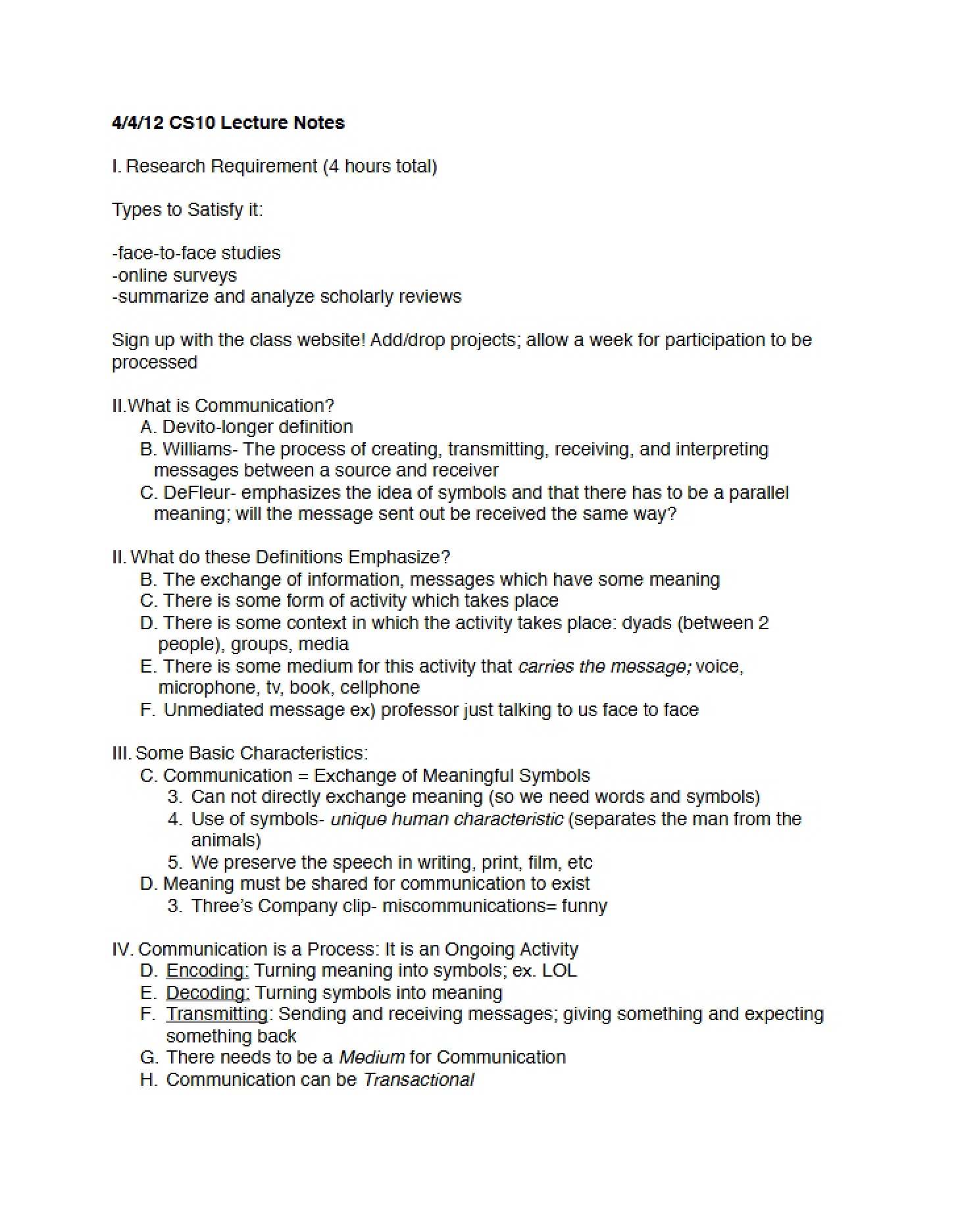
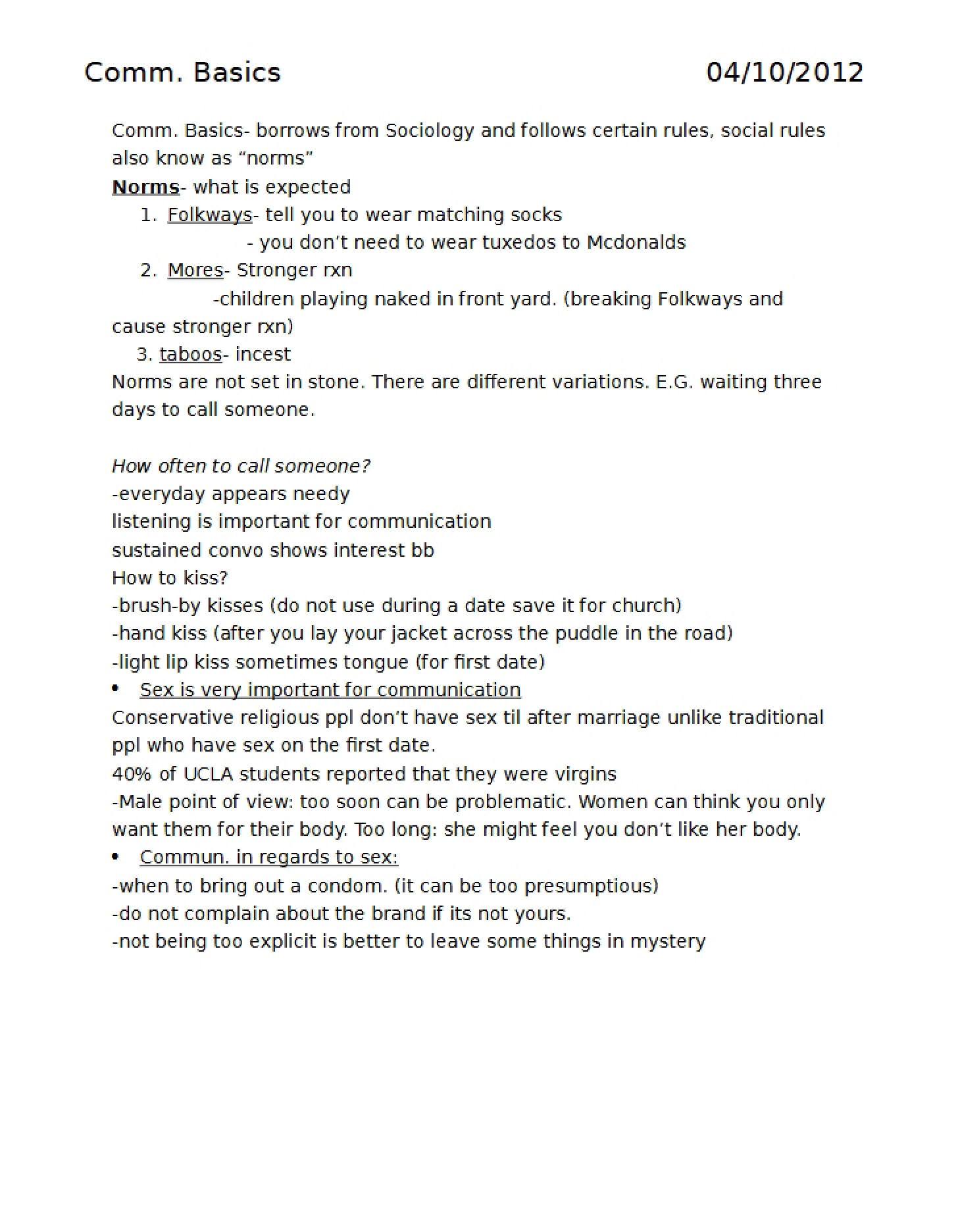
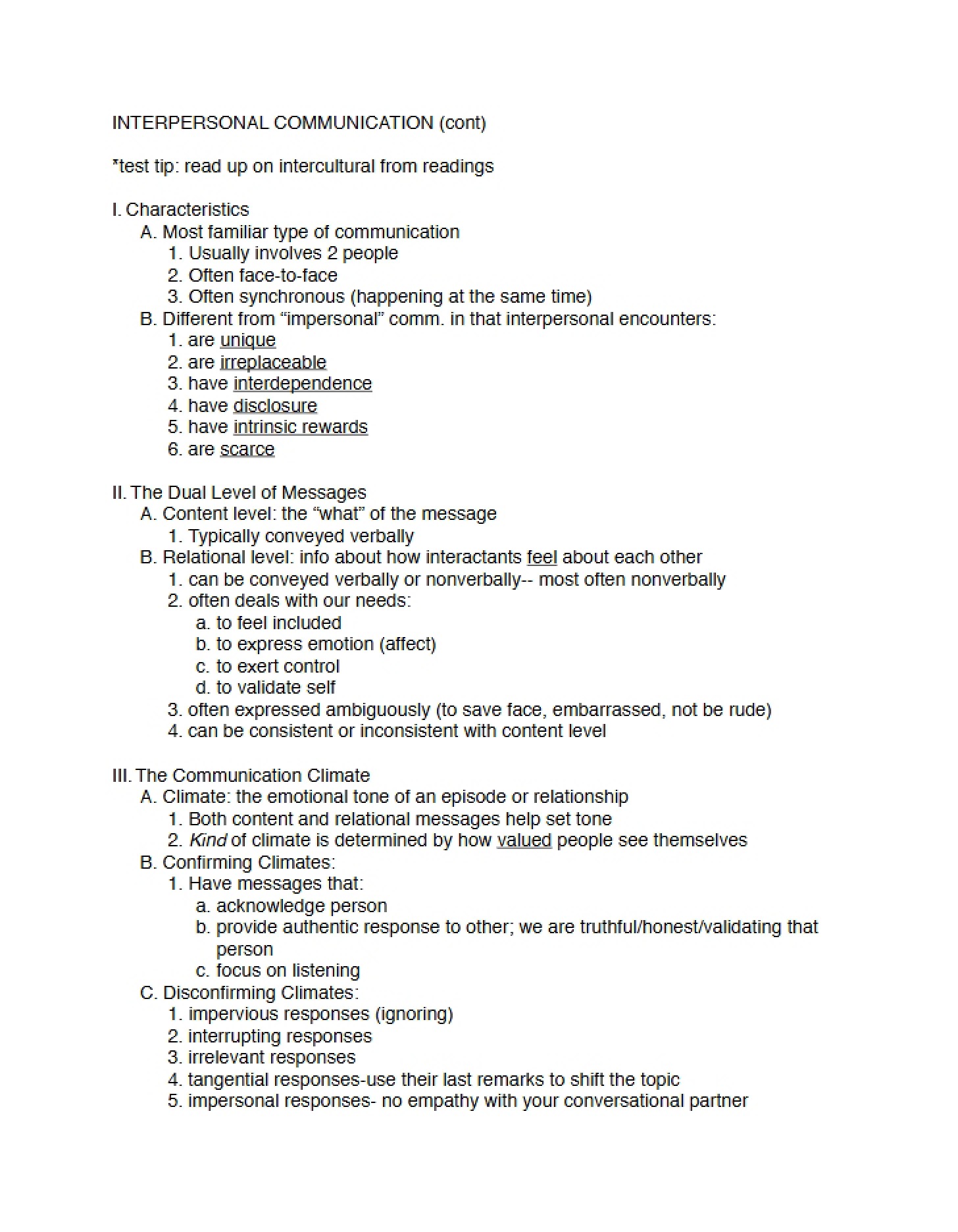
* Key distinctions between mass communication and face-to-face interaction.
* The process of mass communication: message formulation, transmission, audience reception, and influence.
* The impact of audience size and characteristics on media content.
* Societal factors influencing media systems, including technology, economics, and politics.
* Theoretical approaches to understanding how media impacts cognitive processes.
What This Document Provides
* A chronological timeline of media development, highlighting pivotal inventions and innovations.
* An examination of the core components of the mass communication process.
* A framework for analyzing the consequences of using different media platforms.
* Insights into the challenges and considerations involved in reaching mass audiences.
* A discussion of the interplay between media content and the cultural context in which it is produced and consumed.
* Foundational concepts for understanding media evolution and change.