What This Document Is
This study guide delves into the fascinating world of Attribution Theory, a core concept within social psychology. It explores how individuals perceive and explain the causes of events and behaviors – both their own and those of others. This resource is designed for students in PSYC 414 at the University of Delaware, offering a focused examination of the principles governing our everyday explanations for why things happen.
Why This Document Matters
This guide is invaluable for students seeking a deeper understanding of social cognition and the processes underlying interpersonal judgment. It’s particularly helpful when preparing for coursework, reviewing key concepts before exams, or needing a concentrated resource to supplement lectures on social psychology. Anyone interested in understanding the biases that influence our perceptions of others will find this a useful resource.
Topics Covered
* The fundamental motivations behind making attributions.
* Internal versus external attributions and their implications.
* The dimensions of attributions: locus of control, stability, and globality.
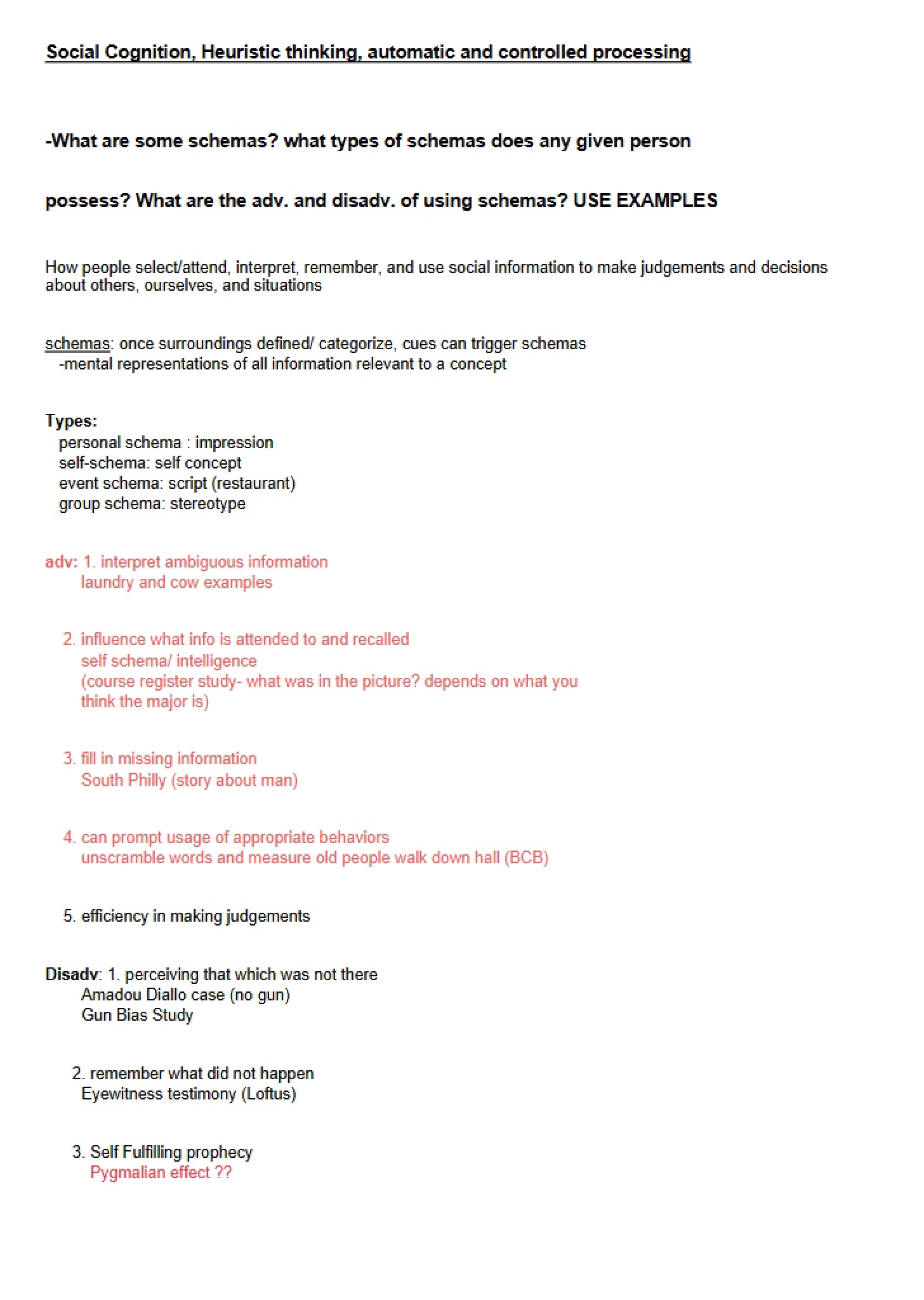
* Cognitive biases that impact attributional thinking.
* Models used to explain how attributions are formed.
* The influence of situational factors on our judgments of behavior.
* Differences in how we explain our own versus others’ actions.
* The role of nonverbal cues in attributional processes.
What This Document Provides
* A comprehensive overview of key terminology related to attribution theory.
* Exploration of influential models for understanding attributional processes.
* Discussion of how attributions impact our understanding of social interactions.
* Examination of common errors and biases in attributional thinking.
* Frameworks for analyzing the factors that contribute to our explanations of behavior.