What This Document Is
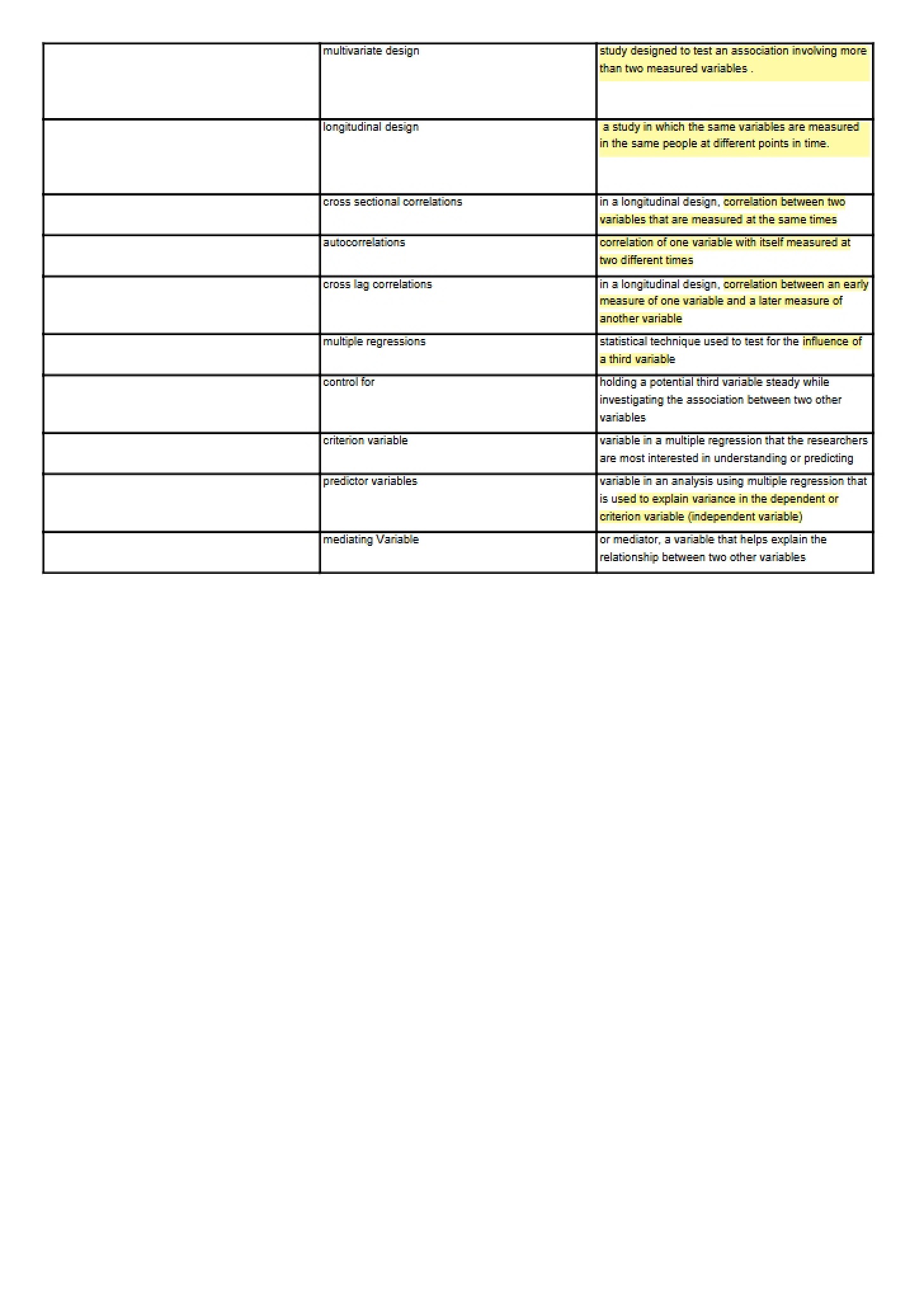
These course notes provide a focused overview of research methods commonly employed in the field of behavioral neuroscience and psychology, specifically those used when true experimental control isn’t feasible. It delves into designs used to investigate cause-and-effect relationships while acknowledging the complexities of real-world research scenarios. This resource is designed to supplement lectures and textbook readings for students in an upper-level psychology course.
Why This Document Matters
Students enrolled in courses like Drugs and the Brain (PSYC 414) at the University of Delaware will find these notes particularly helpful when preparing for assessments or needing a concise reference for understanding research methodologies. It’s ideal for those seeking to solidify their grasp of quasi-experimental designs and small-N research approaches. This resource is most valuable when used *in conjunction* with core course materials to enhance comprehension and retention. Understanding these research approaches is crucial for critically evaluating scientific literature.
Topics Covered
* Quasi-Experimental Designs – exploring variations when random assignment isn’t possible.
* Non-Equivalent Control Group Designs – comparing groups without randomization.
* Interrupted Time Series Designs – analyzing data collected before, during, and after an event.
* Single-Case Research Designs – focusing on intensive study of individual participants.
* Baseline Designs – establishing a stable pattern of behavior before intervention.
* Multiple Baseline Designs – implementing interventions across different contexts.
* Reversal Designs – assessing the impact of treatment by its removal and reintroduction.
What This Document Provides
* Clear delineations of different research approaches.
* Descriptions of the core components of each design.
* An organized structure for understanding the strengths and applications of various methodologies.
* A focused resource to aid in understanding the nuances of research in behavioral neuroscience.
* A valuable study aid for students navigating complex research concepts.