What This Document Is
This is a comprehensive chapter focusing on the Cash Flow Statement (CFS), a critical component of financial accounting. Designed for students in an introductory financial accounting course, this material delves into the purpose, structure, and preparation of the CFS. It explores why understanding cash flow is essential, even when a company reports profits, and how it differs from traditional income statement analysis.
Why This Document Matters
This resource is invaluable for any student seeking a firm grasp of financial statement analysis. It’s particularly helpful when you’re learning to assess a company’s financial health beyond just its reported earnings. Understanding the CFS is crucial for investors, creditors, and anyone involved in making informed business decisions. Use this chapter when you need to move beyond accrual accounting and understand the actual movement of cash within a business.
Topics Covered
* The fundamental reasons for needing a Cash Flow Statement.
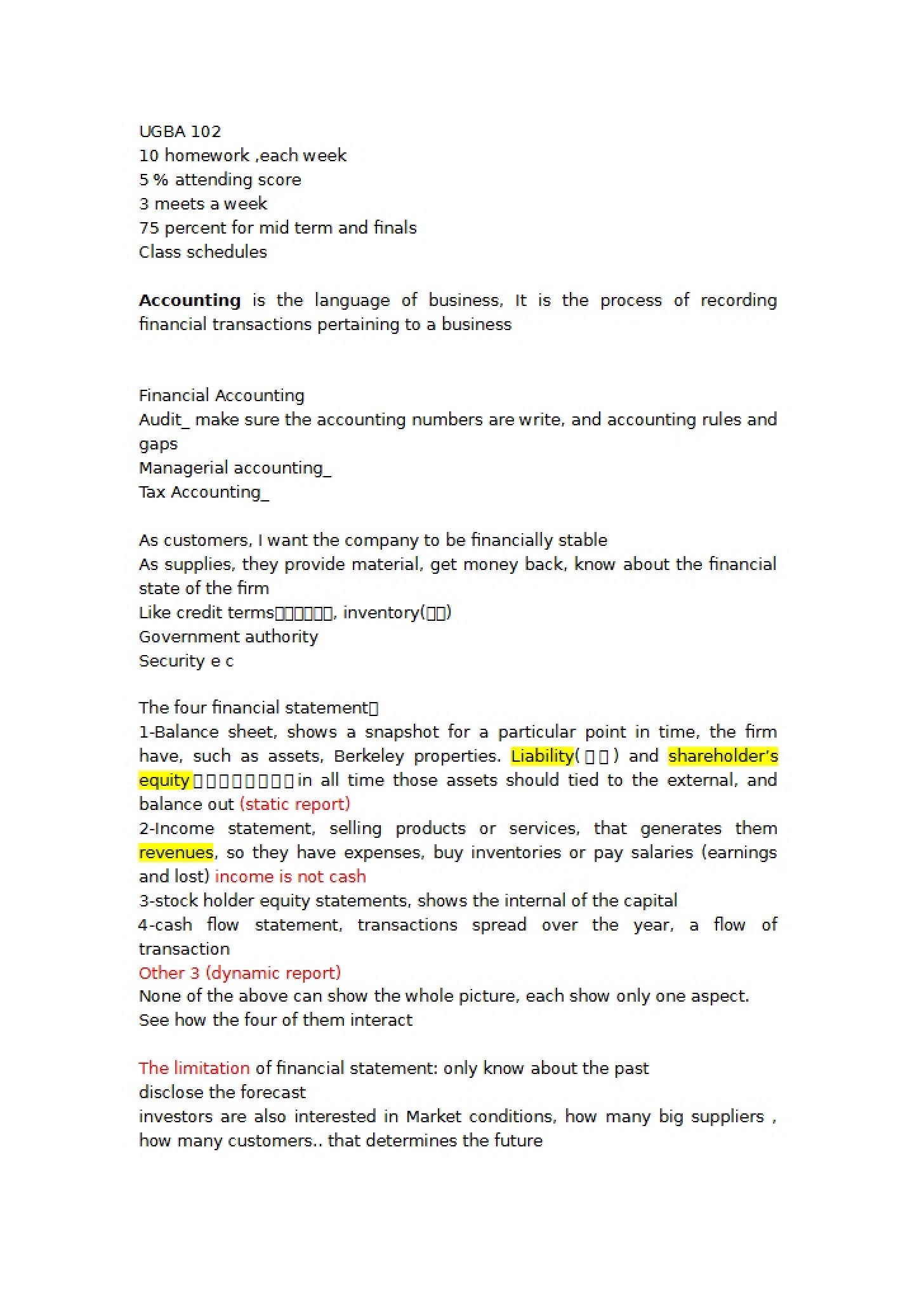
* The relationship between the Income Statement, Balance Sheet, and Cash Flow Statement.
* The three primary sections of the Cash Flow Statement: Operating, Investing, and Financing Activities.
* A detailed examination of the format required by Generally Accepted Accounting Principles (GAAP).
* The importance of cash flow in assessing a company’s viability and potential risks.
* Real-world examples illustrating the impact of cash flow (or lack thereof) on businesses.
What This Document Provides
* A clear explanation of why cash flow is often considered “king” in the business world.
* An overview of the two primary methods used to prepare the Cash Flow Statement: the direct and indirect methods.
* Insights into how to categorize various transactions within the three main activity sections.
* Illustrative examples demonstrating how to interpret cash flow information.
* A framework for understanding the connection between a company’s financial statements and its overall financial position.