What This Document Is
This resource is a focused exploration of the cellular components of the immune system, designed for students in an advanced pharmacotherapy course. It delves into the intricacies of immunological cells and their roles in defending the body against disease. The material centers around understanding the different cell types, their development, and how they interact within the broader context of the lymphoid system. It’s built around core immunological principles and terminology.
Why This Document Matters
This material is essential for any student seeking a strong foundation in how drugs interact with the immune system. Understanding the specific functions of immune cells is crucial for predicting drug efficacy, potential side effects, and designing targeted therapies. It’s particularly valuable when studying autoimmune diseases, immunodeficiencies, and the pharmacological modulation of immune responses. This would be a helpful resource when preparing for in-depth discussions on immune-related disease states and treatment strategies.
Common Limitations or Challenges
This resource focuses specifically on the *cellular* aspects of immunology. It does not provide a comprehensive overview of all immunological processes, such as antibody structure or detailed signaling pathways. It also assumes a baseline understanding of basic biological principles. While it introduces key terminology, it doesn’t function as a standalone introductory immunology text. It is designed to *supplement* lectures and other course materials, not replace them.
What This Document Provides
* An overview of the primary and secondary lymphoid organs and their functions.
* Discussion of the principles governing lymphocyte development and selection.
* Explanation of the significance of Clusters of Differentiation (CD) markers in identifying and characterizing immune cells.
* Detailed examination of Antigen-Presenting Cells (APCs) and their roles in initiating immune responses.
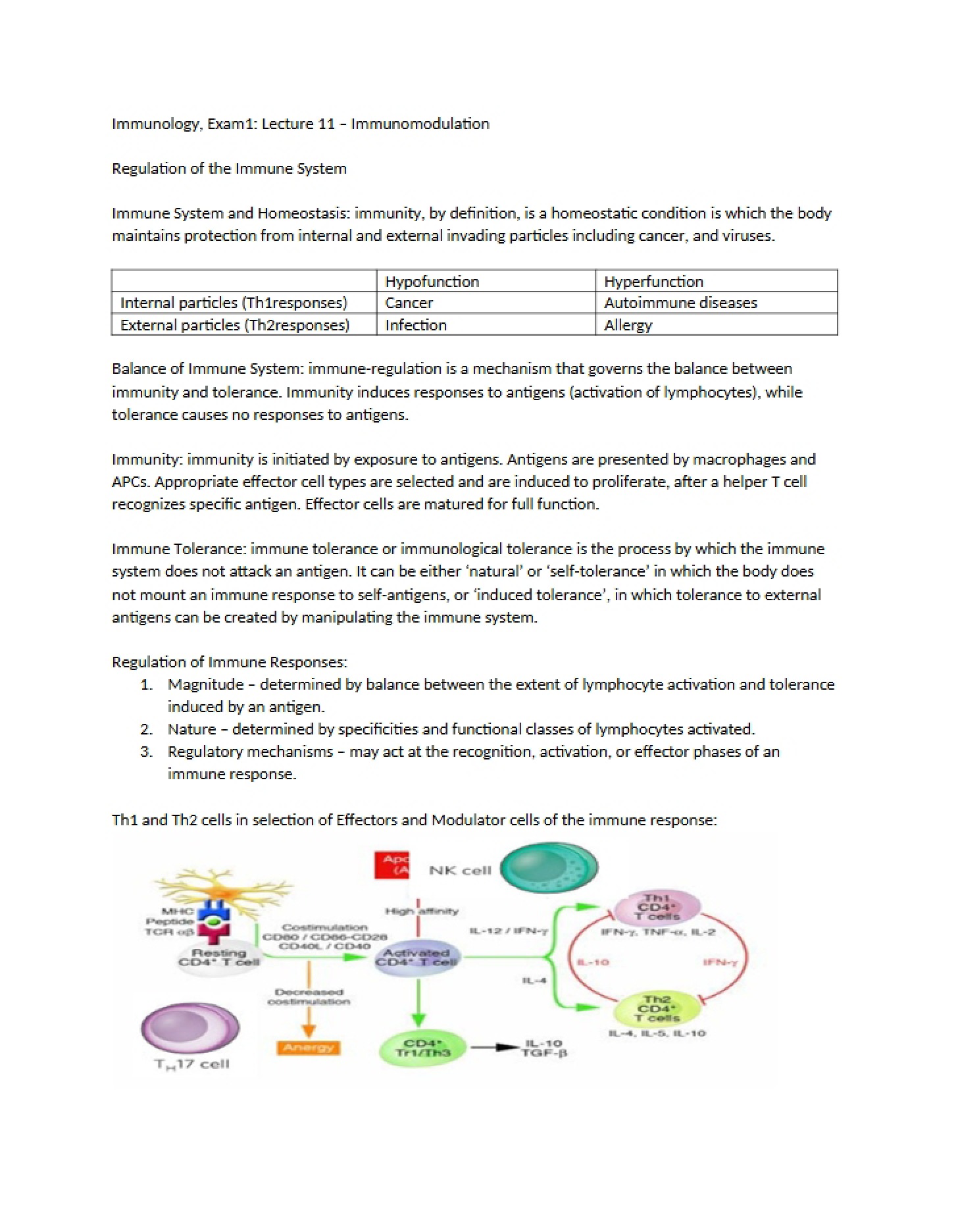
* Exploration of the functions and subtypes of CD4+ T helper cells.
* Insights into cellular interactions within the immune response.