What This Document Is
This study guide provides a focused exploration of core macroeconomic principles, specifically designed for students enrolled in an introductory Macroeconomics course (ECON 103) at the University of Illinois at Urbana-Champaign. It delves into the fundamental concepts that differentiate macroeconomic analysis from its microeconomic counterpart, offering a structured overview of the forces shaping national and global economies. This resource is built to complement lectures and textbook readings, aiding in a deeper understanding of complex economic phenomena.
Why This Document Matters
This guide is invaluable for students seeking to solidify their grasp of macroeconomic theory and its practical applications. It’s particularly helpful when preparing for quizzes, exams, or engaging in class discussions. Students who are new to the field, or those who find themselves needing a concise and organized review of key ideas, will benefit greatly. It’s best utilized *alongside* course materials to enhance comprehension and retention – unlocking a more complete understanding requires access to the full resource.
Topics Covered
* The distinction between microeconomics and macroeconomics
* Key macroeconomic goals: output growth, unemployment, and inflation
* Economic fluctuations: recessions, depressions, and expansions
* The role of government intervention in the economy
* Fiscal and monetary policy tools and their applications
* Classical versus Keynesian economic thought
* The components of the circular flow of income
* Financial markets and government borrowing
What This Document Provides
* A clear articulation of central macroeconomic concepts.
* An overview of different schools of thought in macroeconomics.
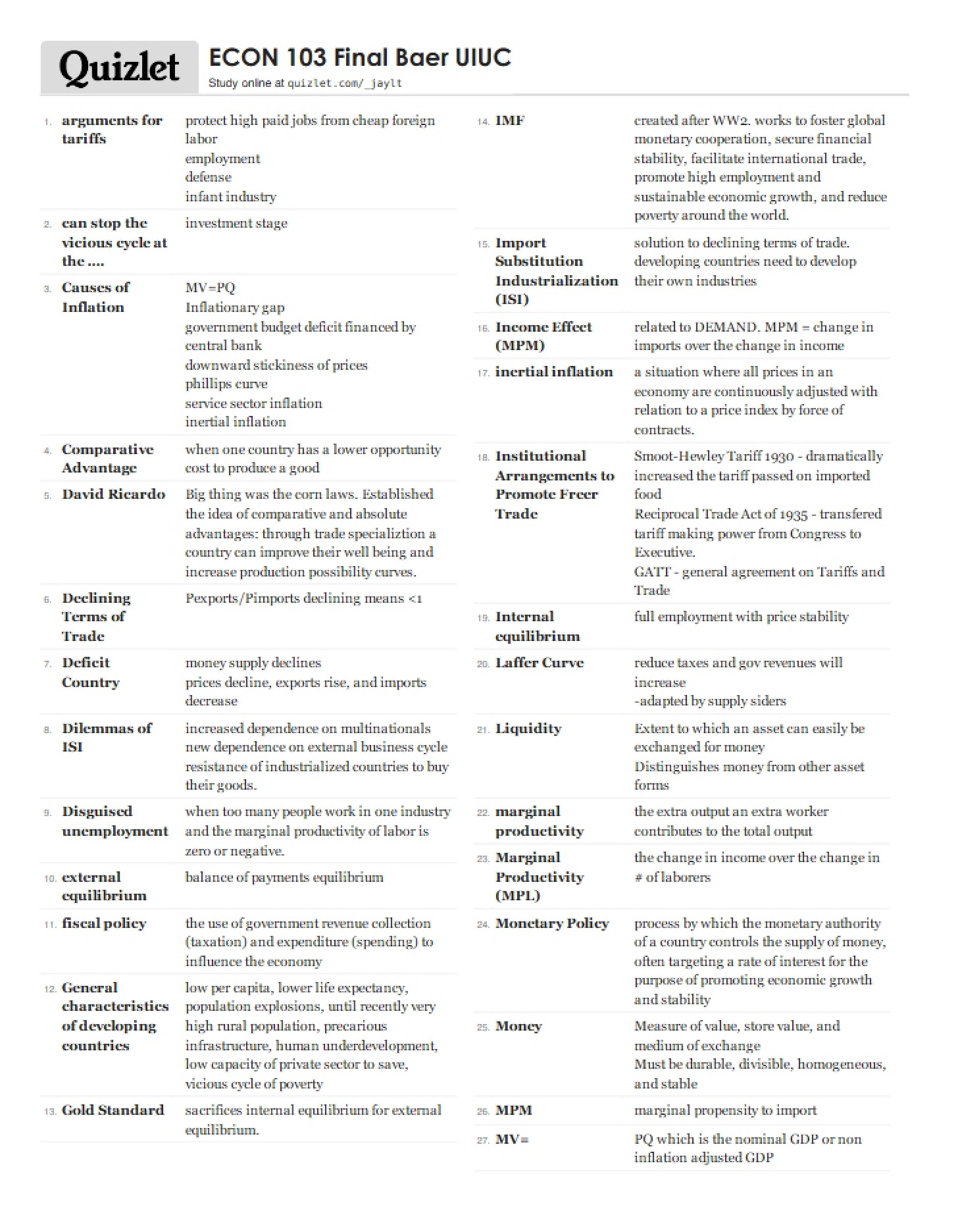
* Definitions of key terms related to economic performance and policy.
* Contextualization of historical economic events and their impact.
* A framework for understanding the interconnectedness of economic sectors.
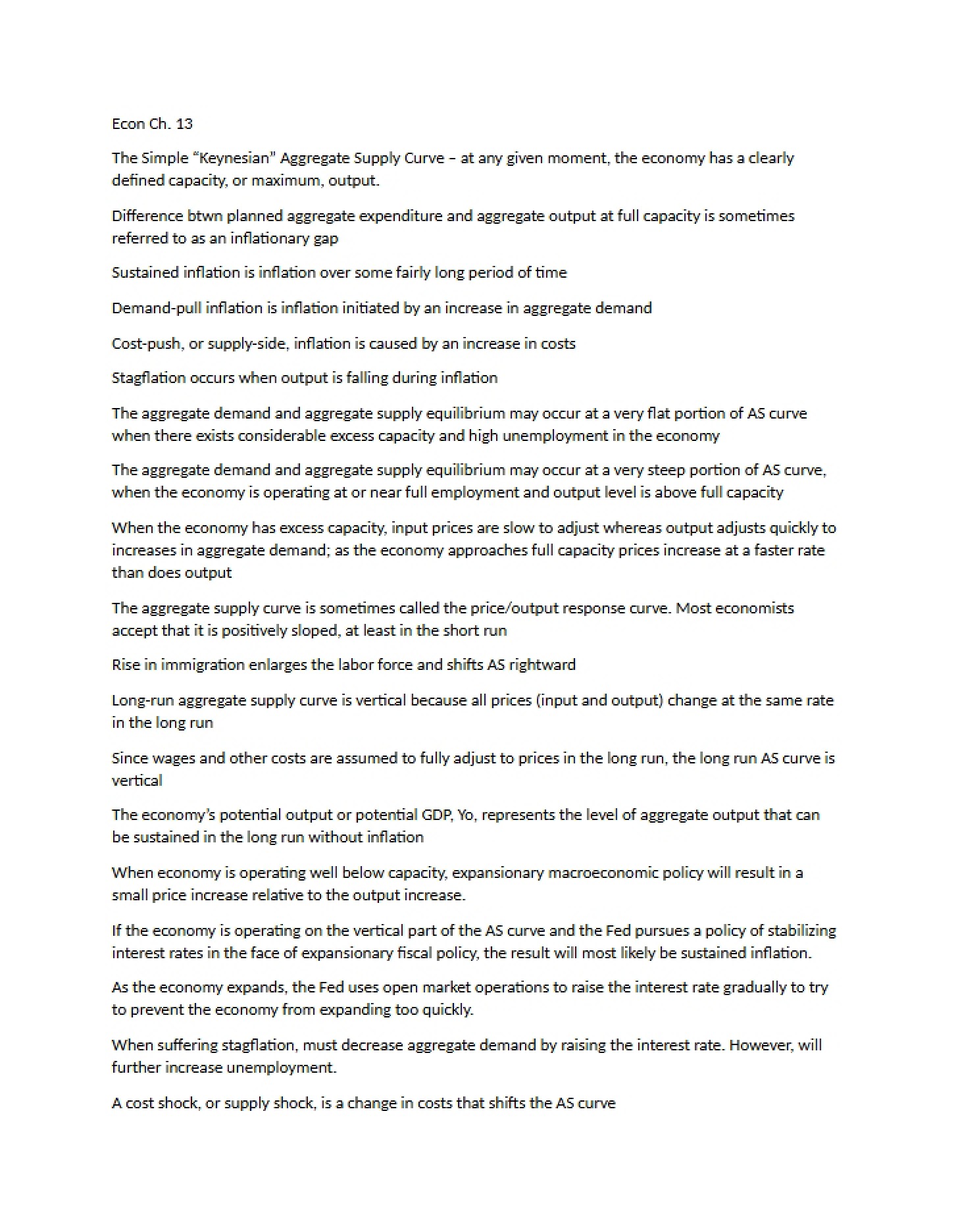
* Discussion of policies designed to influence aggregate supply and demand.