What This Document Is
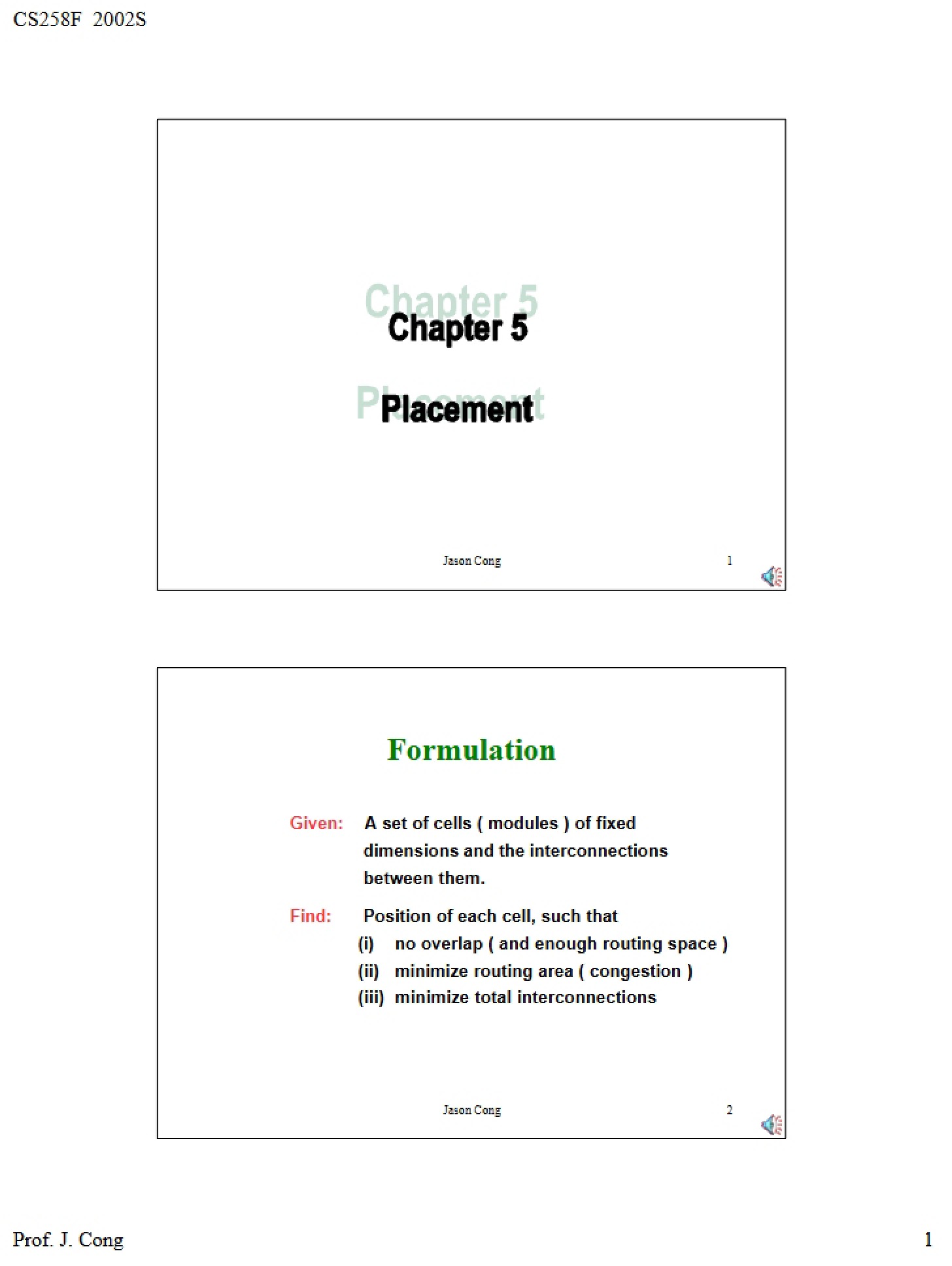
This document represents a chapter excerpt focusing on detailed placement techniques within the field of Physical Design Automation of VLSI Systems. It delves into the critical stage of transforming a global floorplan into a precise arrangement of cells on a chip, a foundational step in creating integrated circuits. The material explores various methodologies employed to achieve optimal placement, balancing competing goals like minimizing wirelength, meeting timing constraints, and ensuring routability. It’s geared towards students and professionals seeking a deep understanding of the algorithms and strategies used in modern VLSI design flows.
Why This Document Matters
This resource is invaluable for students enrolled in advanced VLSI design courses, particularly those focusing on physical implementation. It’s also beneficial for engineers working on chip design and layout, who need to understand the trade-offs involved in different placement approaches. Accessing this material will provide a strong theoretical foundation for tackling real-world placement challenges and evaluating the effectiveness of various placement tools. It’s most useful when studying the core algorithms used in Electronic Design Automation (EDA) software.
Topics Covered
* Constructive Placement Methods
* Iterative Placement Methods
* Hybrid Placement Approaches
* Network Flow Algorithms in Placement
* Linear Programming Applications in Placement
* Dynamic Programming for Cell Movement
* Legalization Techniques for Cell Placement
* Wirelength Modeling and its Impact on Placement
* Region-Based Placement Strategies
What This Document Provides
* An overview of existing placement methodologies, categorized by their core approach.
* Discussions of how different algorithms address the complexities of cell arrangement.
* Insights into the application of network flow techniques for optimizing placement within defined regions.
* Exploration of hybrid methods combining multiple algorithms for improved results.
* References to key research papers in the field, allowing for further investigation.
* A comparative look at the strengths and weaknesses of different approaches.