What This Document Is
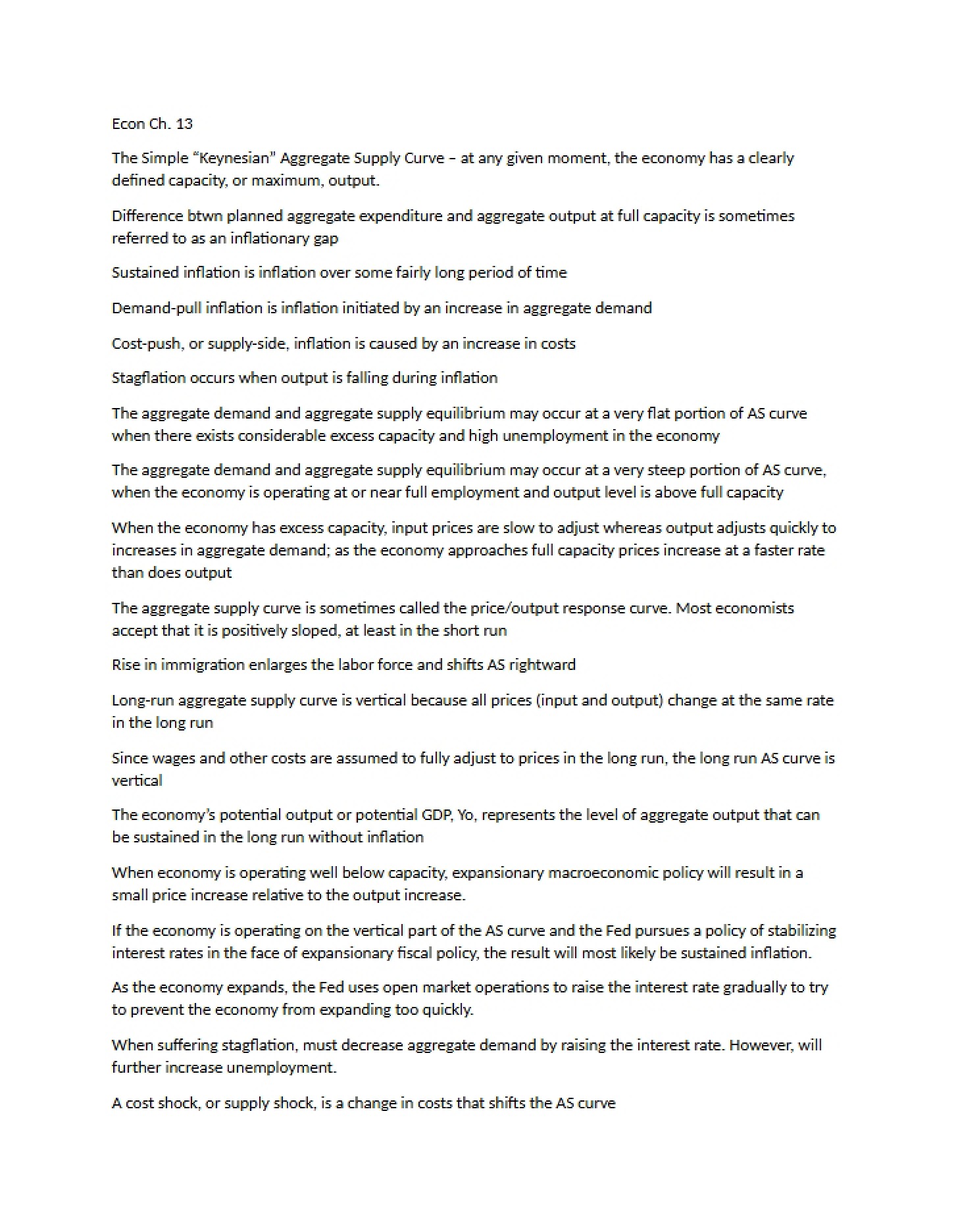
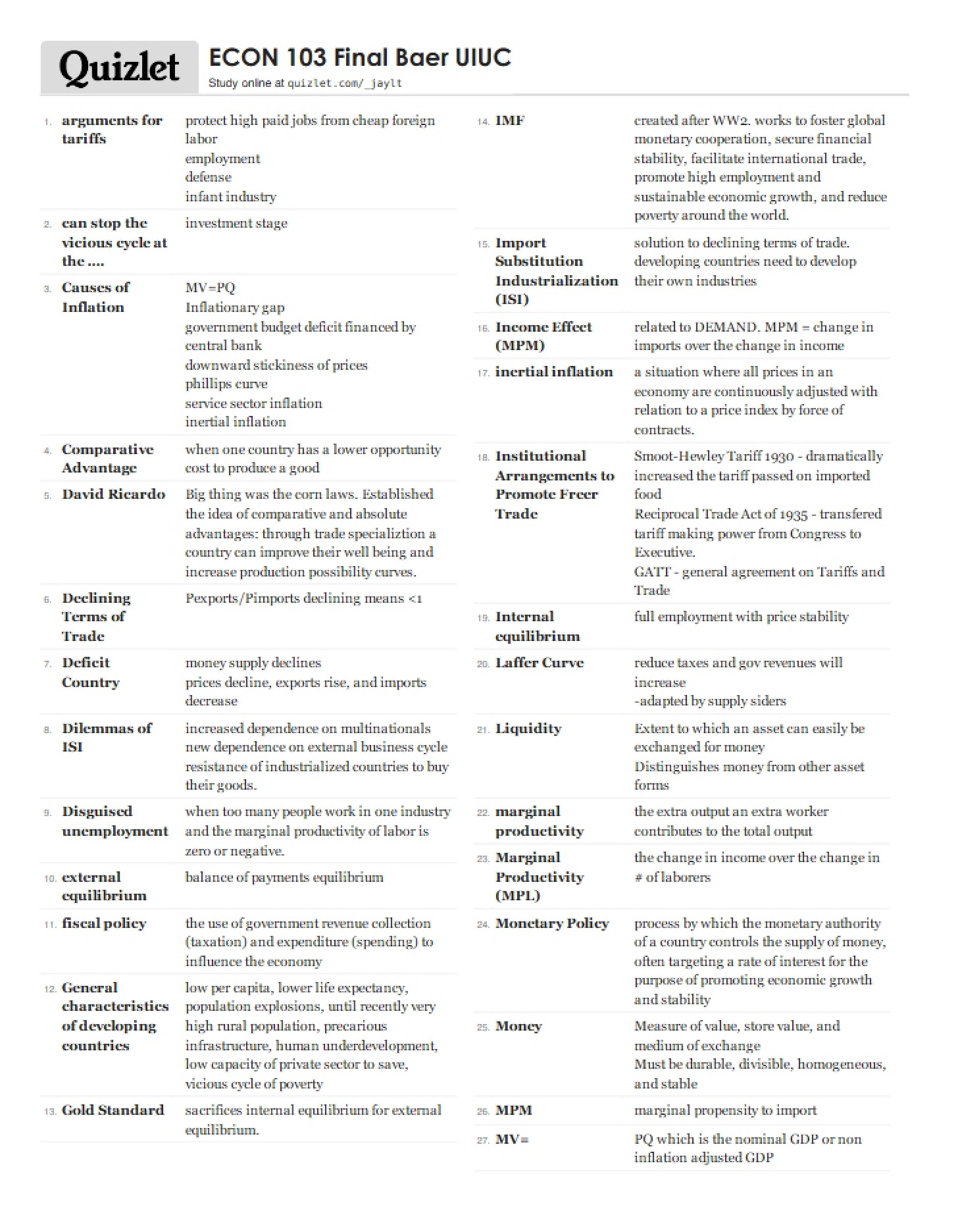
This study guide provides a comprehensive overview of key concepts related to measuring national economic performance, specifically focusing on Gross Domestic Product (GDP) and related metrics. Developed for students in the University of Illinois at Urbana-Champaign’s Macroeconomic Principles (ECON 103) course, it delves into the various approaches used to calculate a nation’s economic output and the nuances of interpreting these figures. It’s designed to support a deeper understanding of how economists assess the health and growth of an economy.
Why This Document Matters
This guide is an invaluable resource for students seeking to master the foundational principles of national income accounting. It’s particularly helpful when preparing for exams, completing assignments, or simply reinforcing classroom learning. Anyone needing a clear and organized explanation of GDP, its components, and its limitations will find this guide beneficial. Understanding these concepts is crucial for anyone pursuing further study in economics, finance, or related fields, and for interpreting economic news and policy decisions.
Topics Covered
* Different measures of national output (GDP, GNP, National Income)
* Expenditure, Income, and Production approaches to calculating GDP
* Components of GDP: Consumption, Investment, Government Spending, and Net Exports
* Nominal vs. Real GDP and the challenges of measuring economic growth
* Price indexes and weighting procedures (fixed-weight vs. chain-weighted)
* The relationship between GDP and economic well-being
* Limitations of GDP as a measure of societal progress
* International comparisons of national income
What This Document Provides
* A detailed exploration of the historical context and development of GDP as a metric.
* A breakdown of the components included within major expenditure and income categories.
* An examination of the factors that influence the accuracy and interpretation of GDP data.
* Discussion of concepts like depreciation, indirect taxes, and net factor payments.
* Insight into how national income data is collected and utilized by government agencies.
* Consideration of the broader implications of GDP for assessing social welfare and economic progress.