What This Document Is
This material is a focused collection of assessment-style questions designed to test your understanding of core principles in plant biotechnology and genomics. Specifically, it centers on recombinant DNA technology as applied to plant science. The questions are formatted to mimic those you might encounter in a university-level Plant Form & Function course (BIOL 425 at the University of South Carolina). It’s built to help you actively recall and apply concepts, rather than passively reviewing information.
Why This Document Matters
This resource is ideal for students preparing for quizzes and exams related to plant molecular biology. It’s particularly useful for solidifying your knowledge of the techniques used to manipulate plant genomes, understand gene expression, and the applications of genetic engineering in plants. If you're studying topics like gene cloning, vectors, restriction enzymes, and transformation, this will be a valuable self-assessment tool. It’s best used *after* you’ve engaged with the core course materials – lectures, textbooks, and lab exercises – to identify areas where your understanding needs strengthening.
Common Limitations or Challenges
This material focuses exclusively on question-and-answer practice. It does *not* contain detailed explanations of the underlying concepts, definitions of key terms, or comprehensive background reading. It assumes you have already been introduced to the foundational principles of molecular biology and plant genetics. It also doesn’t offer worked examples or step-by-step guides to performing the techniques discussed. Access to the full material is required to reveal the answers and associated context.
What This Document Provides
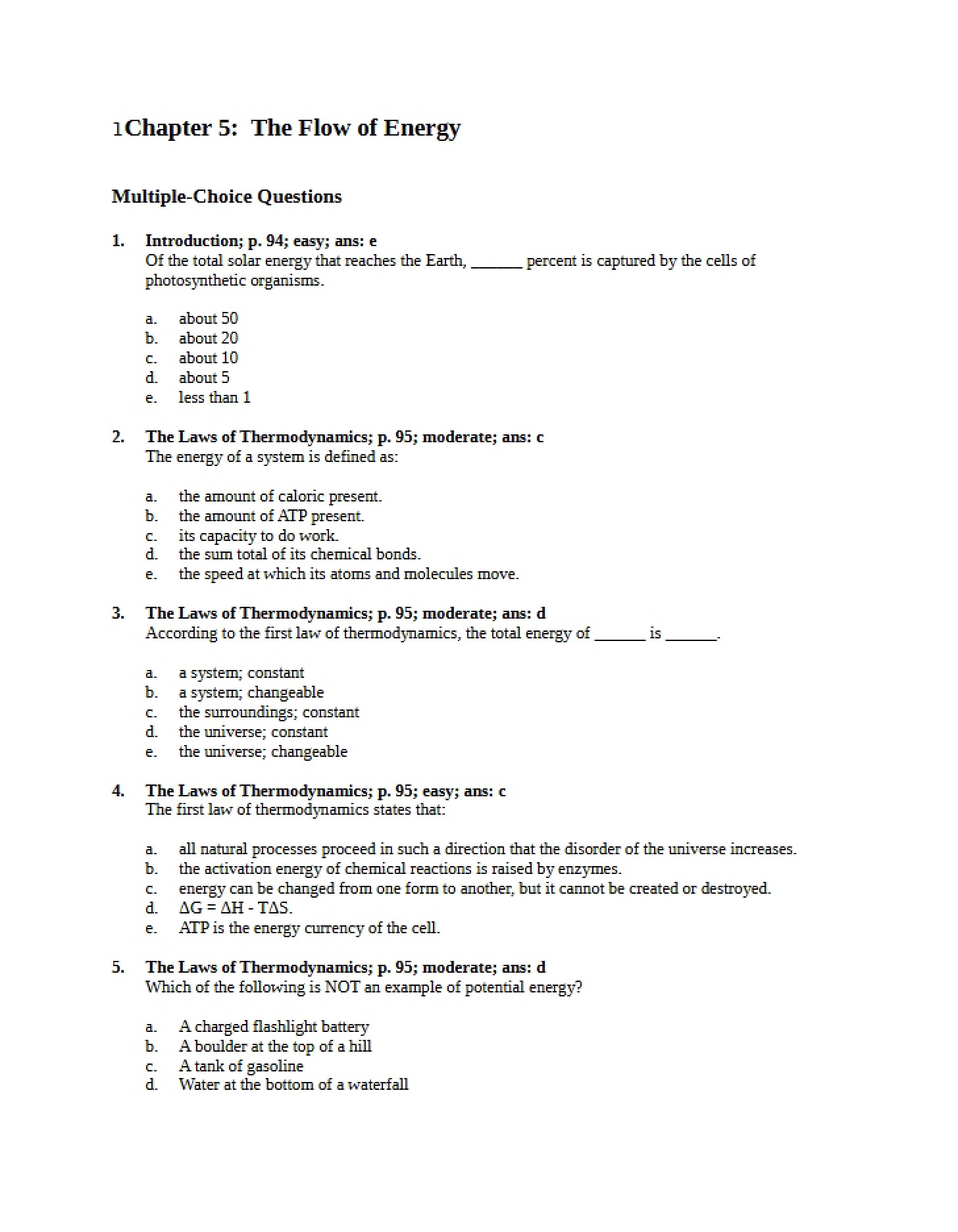
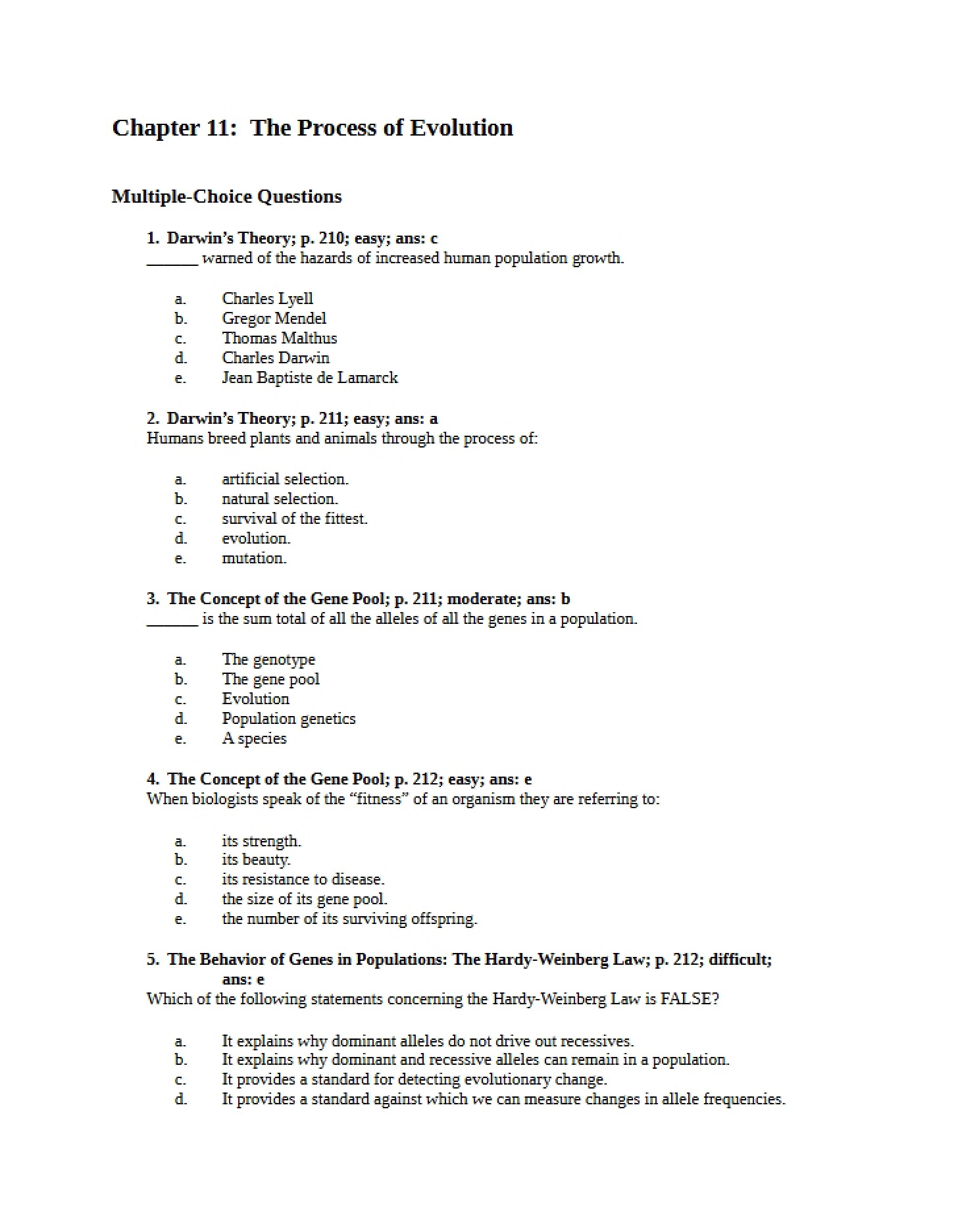
* A series of multiple-choice questions covering recombinant DNA technology.
* Questions categorized by difficulty level (easy, moderate, difficult).
* Questions relating to key concepts like restriction enzymes, vectors, and transformation.
* Questions designed to assess understanding of techniques used in creating and identifying recombinant DNA.
* Questions referencing important genes and their roles in biotechnology (e.g., *amp* and *lacZ*).
* Questions relating to the construction and use of DNA libraries.
* Page references linking questions to specific content areas within a larger course module.