What This Document Is
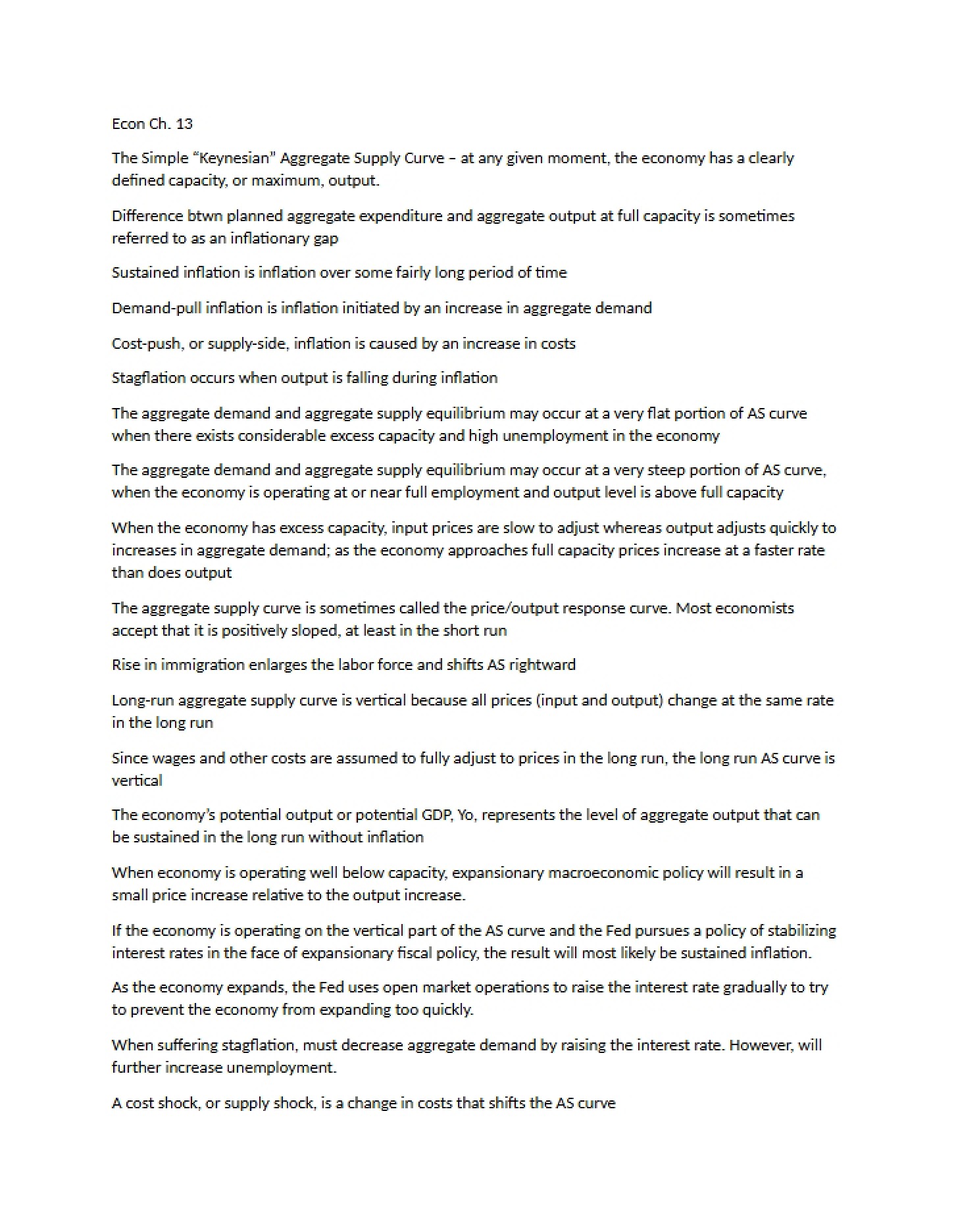
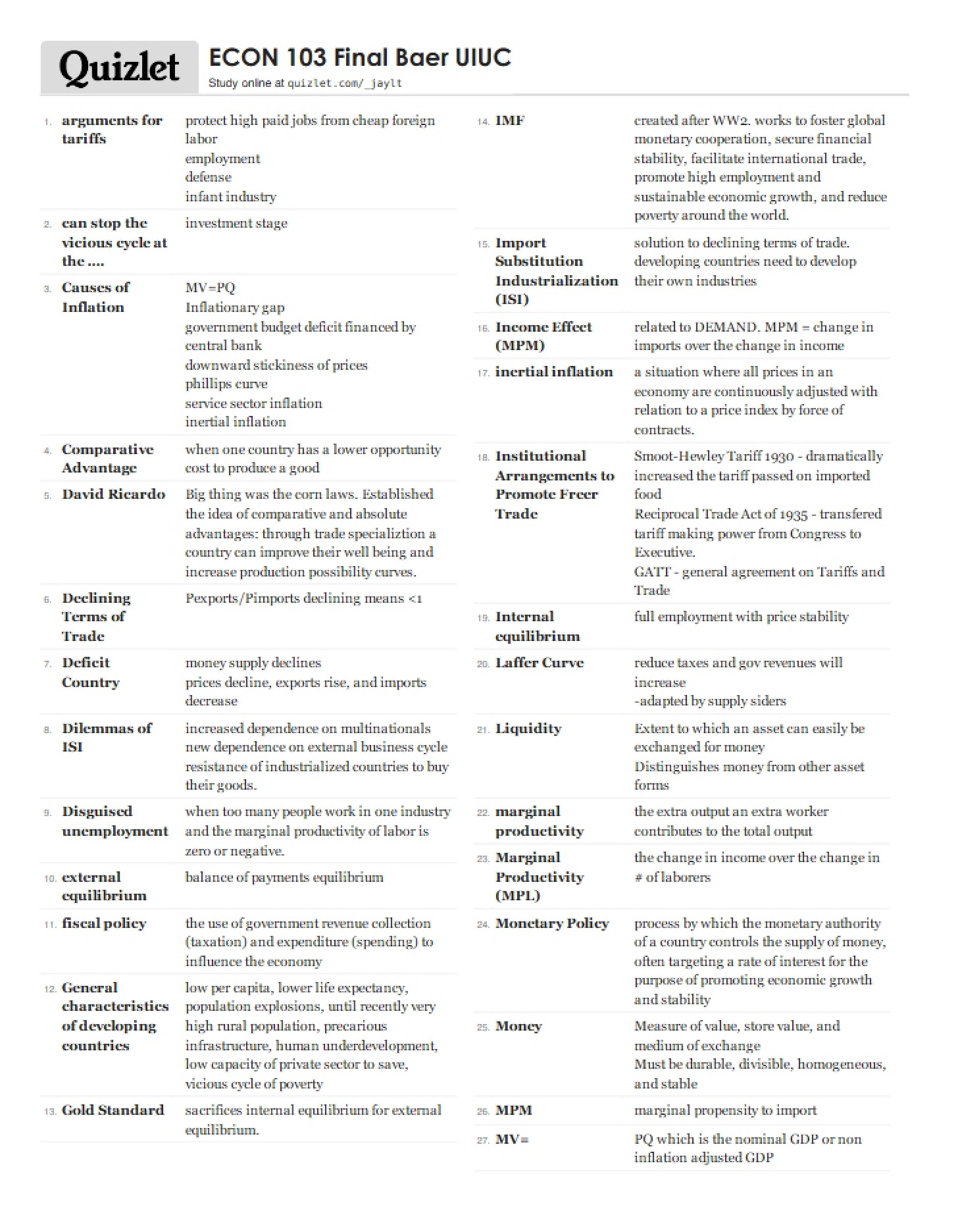
This study guide delves into the principles governing macroeconomic stability and the tools used to influence economic performance. Specifically, it focuses on the relationship between financial markets, government policies, and overall economic health. It’s designed for students seeking a deeper understanding of how economies respond to various shocks and how policymakers attempt to manage those responses. The material builds upon core macroeconomic concepts, applying them to real-world scenarios involving investment, consumer behavior, and government intervention.
Why This Document Matters
This resource is ideal for students enrolled in introductory or intermediate macroeconomics courses, particularly those at the university level. It’s most beneficial when preparing for exams, completing assignments, or seeking to solidify understanding of complex economic interactions. Anyone interested in understanding how factors like stock market fluctuations and government spending impact the broader economy will find this a valuable resource. It’s particularly helpful for students who want to move beyond textbook definitions and explore the practical implications of macroeconomic theory.
Topics Covered
* The role of financial markets in macroeconomic performance
* Indicators of economic health and their interpretation
* Government stabilization policies – monetary and fiscal approaches
* The impact of economic shocks on aggregate demand and supply
* Time lags and their influence on policy effectiveness
* Automatic stabilizers and their role in mitigating economic fluctuations
* The relationship between wealth, spending, and economic growth
* The effects of government deficits and debt on the economy
What This Document Provides
* A focused exploration of key macroeconomic concepts related to stabilization.
* An overview of the objectives and challenges of monetary and fiscal policy.
* Discussion of the factors that can complicate effective economic management.
* Examination of how various economic events can trigger shifts in economic activity.
* Insights into the potential consequences of different policy choices.
* A framework for analyzing the interplay between financial markets and the real economy.