What This Document Is
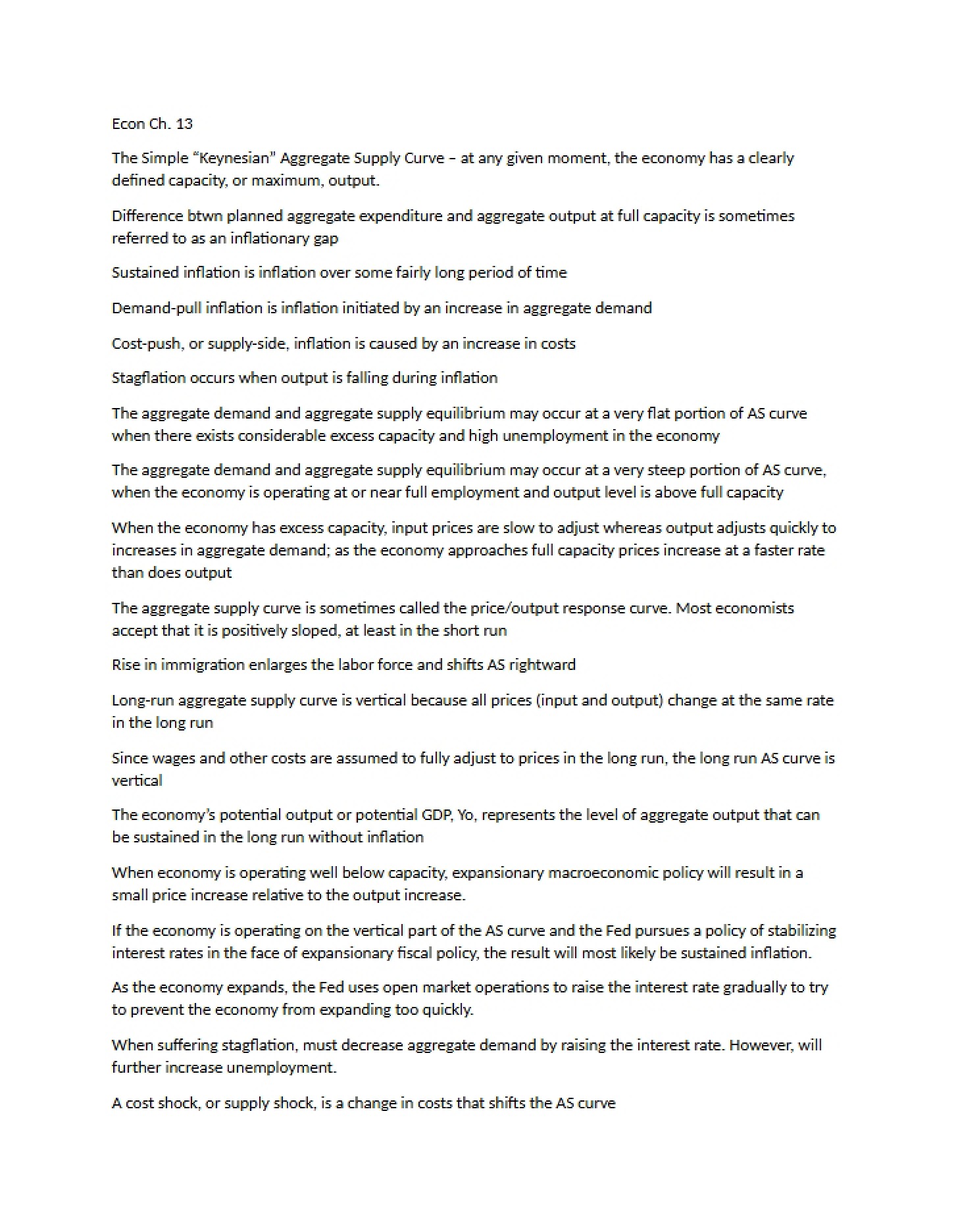
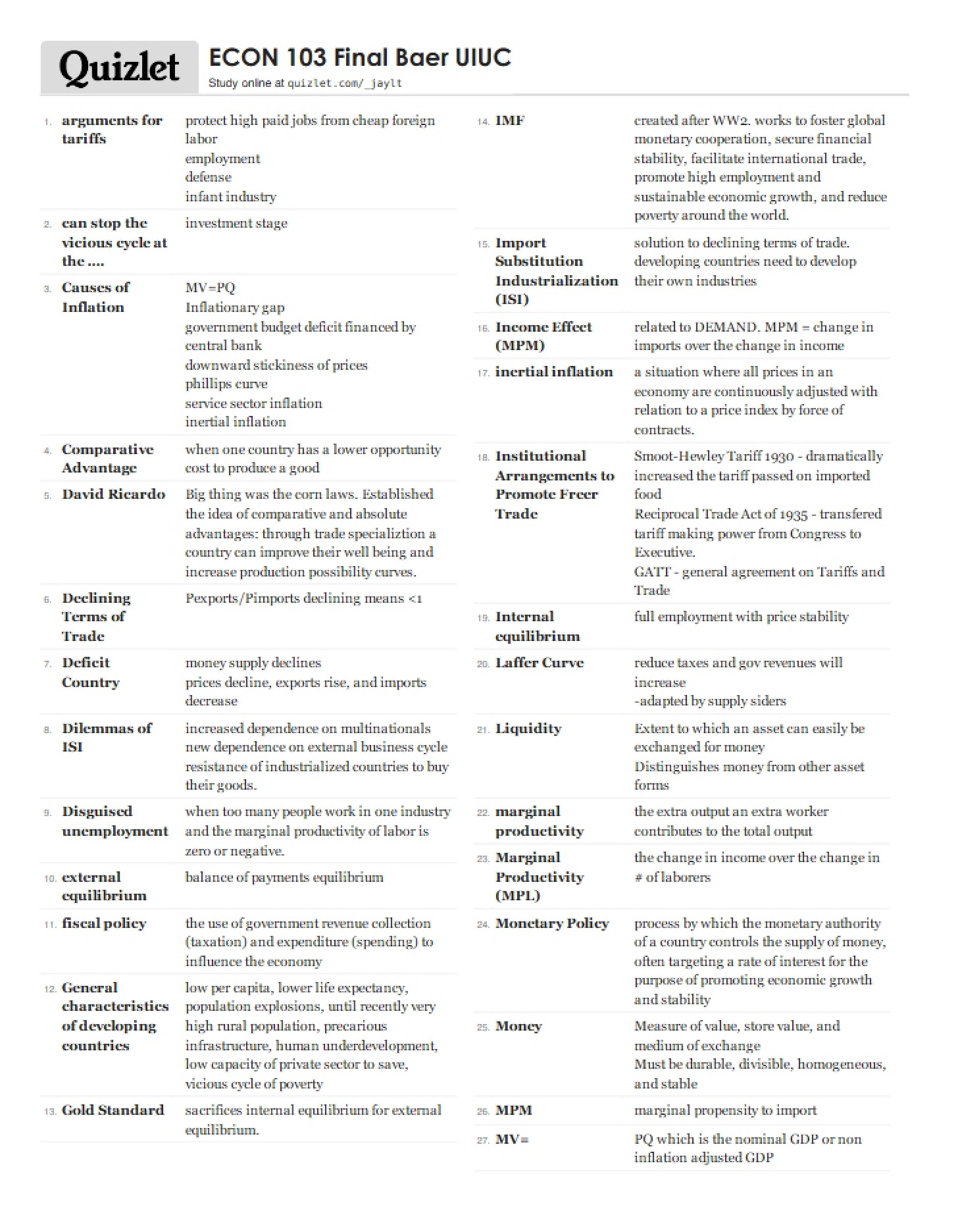
This study guide provides a focused exploration of differing macroeconomic schools of thought, building upon core principles learned in introductory economics. Specifically, it delves into the contrasting perspectives on how governments and central banks can – or should – influence economic performance. It examines various theoretical frameworks used to understand fluctuations in economic activity, price levels, and employment. This material is designed for students in a principles of macroeconomics course.
Why This Document Matters
This guide is invaluable for students seeking a deeper understanding of the debates surrounding macroeconomic policy. It’s particularly helpful when preparing for exams, tackling assignments that require comparative analysis, or simply solidifying your grasp of complex economic concepts. If you’re struggling to differentiate between various approaches to stabilizing the economy, or need a resource to clarify the underlying assumptions of each school of thought, this guide will be a significant asset. It’s best used *after* initial exposure to the core concepts in your textbook and lectures.
Topics Covered
* Keynesian Economics and the role of government intervention
* The Quantity Theory of Money and its implications for inflation
* Monetarism and optimal monetary policy strategies
* New Classical Economics and the concept of Rational Expectations
* The Lucas Supply Function and its impact on macroeconomic modeling
* Real Business Cycle Theory and the sources of economic fluctuations
* Supply-Side Economics and policies to stimulate economic growth
* Historical examples of macroeconomic policy implementation
What This Document Provides
* A comparative overview of different macroeconomic perspectives.
* Explanations of key economic equations and their underlying assumptions.
* Discussion of the theoretical foundations for various policy recommendations.
* Contextualization of historical economic events within different theoretical frameworks.
* Clarification of complex concepts like velocity of money and price surprises.
* A framework for analyzing the potential effects of different macroeconomic policies.