What This Document Is
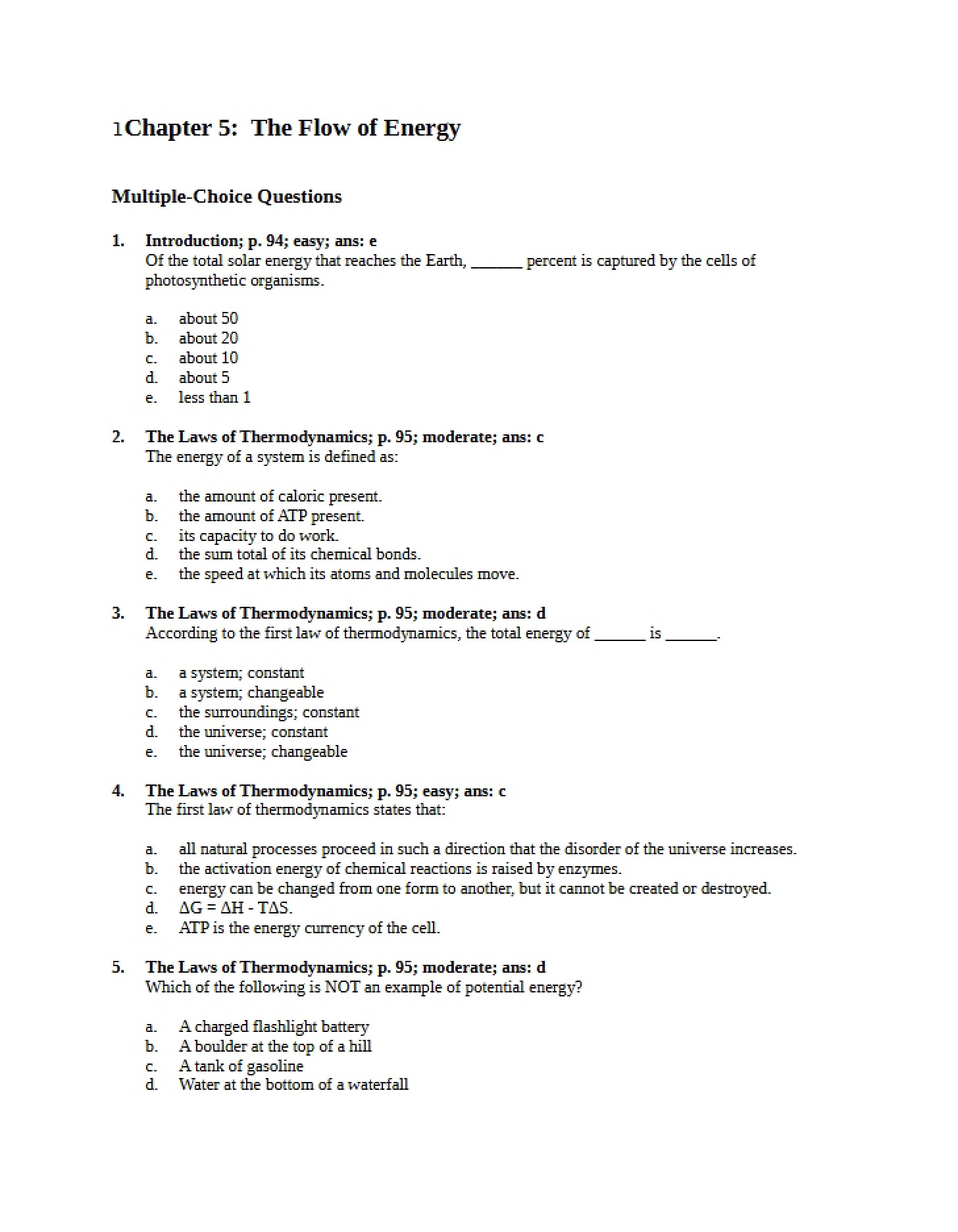
This material represents a focused set of review questions designed to assess your understanding of the fundamental molecular building blocks of plant life. Specifically, it delves into the composition of plant cells, exploring the roles of key organic molecules and their structures. It’s structured as a question-and-answer format, covering a range of difficulty levels to help you pinpoint areas for further study within the broader ‘Plant Form & Function’ course (BIOL 425) at the University of South Carolina.
Why This Document Matters
This resource is invaluable for students preparing for quizzes and exams related to plant biochemistry and cellular biology. It’s particularly useful for reinforcing concepts after lectures, textbook readings, or lab sessions. If you’re struggling to differentiate between complex carbohydrates, understand the functions of lipids in plant structures, or grasp the importance of cell wall components, this material will help you test and solidify your knowledge. It’s best used as a self-assessment tool to identify gaps in your understanding *before* relying solely on broader review strategies.
Common Limitations or Challenges
This set of questions is designed to *test* your knowledge, not to *teach* it. It assumes you have already engaged with the core course materials – lectures, assigned readings, and lab activities. It does not provide detailed explanations of the underlying principles, nor does it offer new content beyond the questions themselves. It also focuses specifically on molecular composition and doesn’t cover broader physiological processes or ecological interactions.
What This Document Provides
* A comprehensive series of multiple-choice questions covering carbohydrates, lipids, and their roles in plant cells.
* Questions categorized by difficulty level (easy, moderate, difficult) to facilitate targeted study.
* Indication of the relevant page numbers within the course textbook for each question, allowing for quick reference.
* Focus on key terminology related to plant cell structure and molecular function.
* A means to evaluate your understanding of concepts like polysaccharide formation, cell wall composition, and lipid functions.