What This Document Is
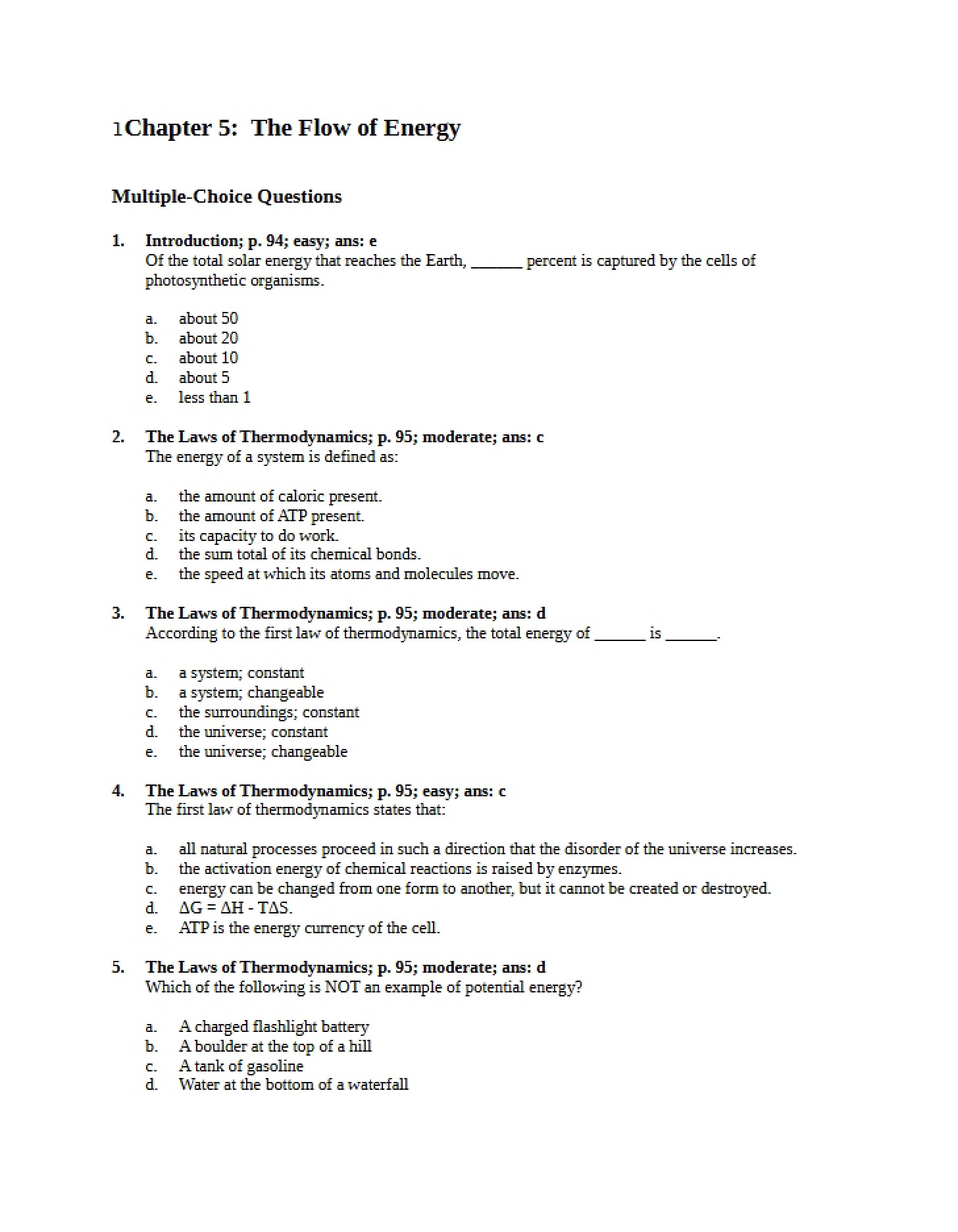
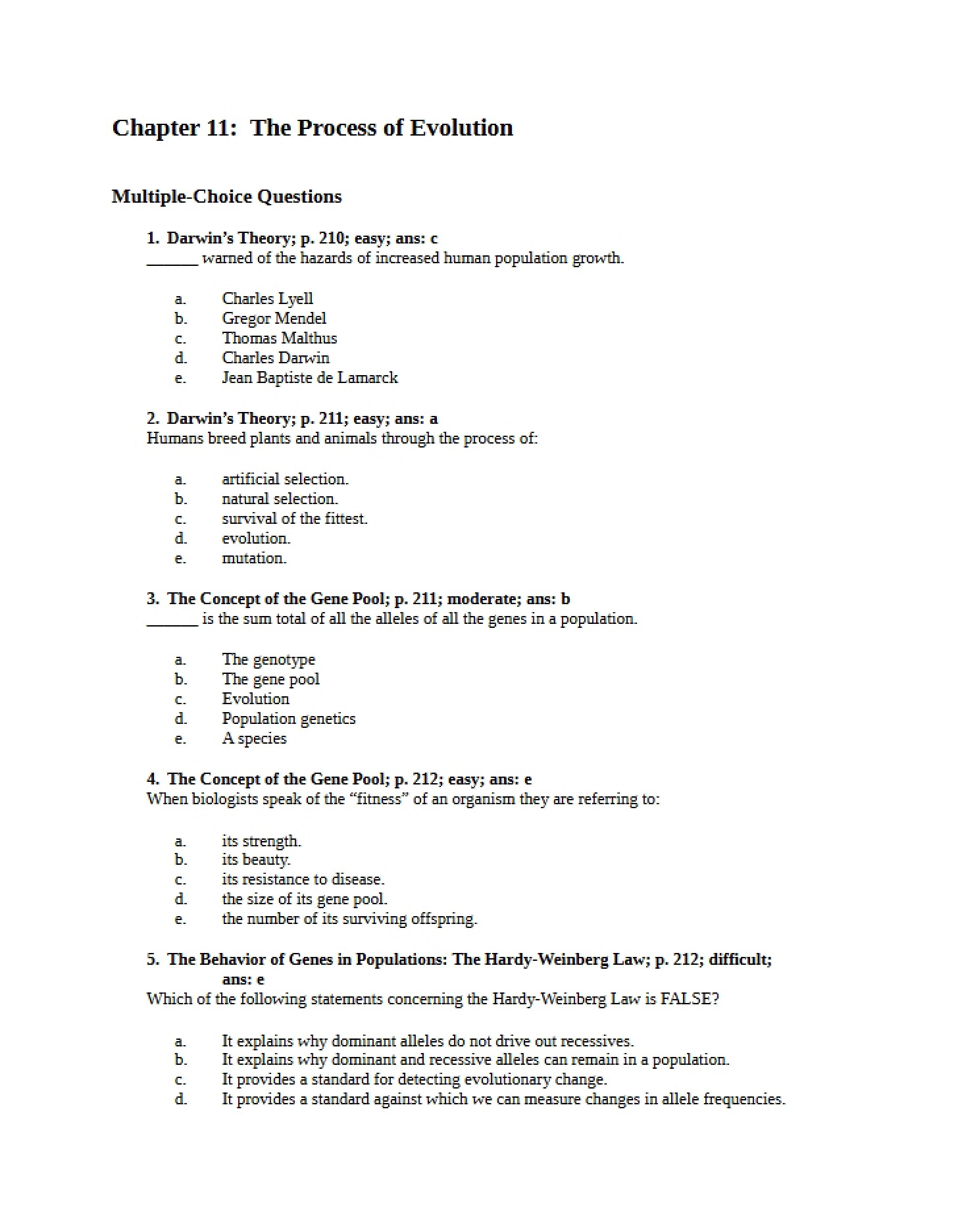
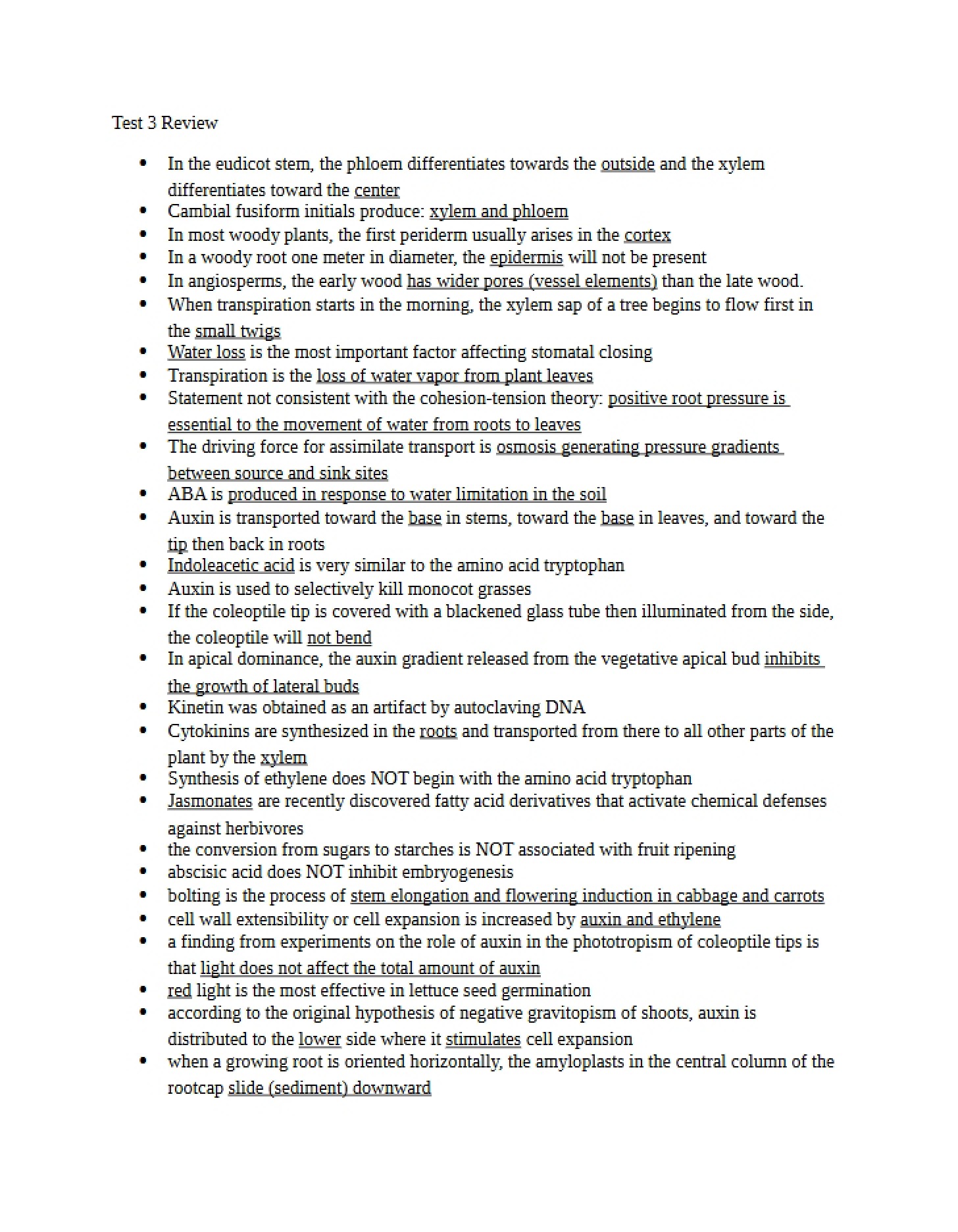
This material is a focused collection of assessment-style questions designed to test your understanding of plant responses to environmental stimuli and internal biological timing. Specifically, it delves into the field of plant physiology, concentrating on how plants perceive and react to factors like light, gravity, water, touch, and day length. It’s structured as a question set, likely intended for self-testing or classroom use within a broader Plant Form & Function course. The questions are categorized by the specific topic they address, allowing for targeted review.
Why This Document Matters
This resource is invaluable for students enrolled in plant biology, botany, or related life science courses. It’s particularly useful when preparing for quizzes and exams covering plant tropisms, circadian rhythms, and photoperiodism. Utilizing these questions will help you identify areas where your comprehension is strong and pinpoint concepts requiring further study. It’s best used *after* you’ve engaged with core course materials – lectures, textbooks, and lab exercises – to solidify your knowledge and assess your readiness.
Common Limitations or Challenges
This material focuses on testing recall and application of concepts, but it does not provide comprehensive explanations of the underlying principles. It assumes you have a foundational understanding of plant biology and doesn’t function as a substitute for detailed course readings or lectures. The questions are designed to challenge your understanding, and may require significant effort to answer correctly without prior study. It does not include detailed explanations of *why* certain answers are correct or incorrect.
What This Document Provides
* A series of multiple-choice questions covering plant tropisms (phototropism, gravitropism, hydrotropism, thigmotropism).
* Questions exploring the mechanisms behind plant circadian rhythms and their impact on plant processes.
* Assessment of understanding regarding photoperiodism and its role in plant flowering.
* Questions categorized by specific topics within plant environmental responses.
* An indication of the relative difficulty level of each question (easy, moderate, difficult).
* References to specific page numbers within a related textbook (likely the course textbook).