What This Document Is
This material is a focused collection of assessment-style questions designed to test your understanding of plant physiology, specifically relating to water and solute transport within plants. It’s structured as a practice resource, mirroring the format and difficulty levels you might encounter in a university-level Plant Form & Function course. The questions cover core concepts within the field of plant hydraulics and membrane transport.
Why This Document Matters
This resource is ideal for students enrolled in BIOL 425 at the University of South Carolina, or similar plant biology courses at other institutions. It’s particularly useful for self-assessment, identifying knowledge gaps, and preparing for quizzes and exams. Working through these questions will help solidify your grasp of complex processes like transpiration, stomatal regulation, and nutrient uptake. It’s best utilized *after* you’ve engaged with the core lecture material and textbook readings, serving as a powerful tool for active recall and application of knowledge.
Common Limitations or Challenges
This document focuses exclusively on question-and-answer practice. It does *not* contain detailed explanations of the underlying concepts, new instructional content, or comprehensive definitions. It assumes you have a foundational understanding of plant anatomy, physiology, and relevant terminology. It is designed to *test* your knowledge, not to *teach* it from scratch. Access to the full material is required to reveal the correct answers and supporting rationale.
What This Document Provides
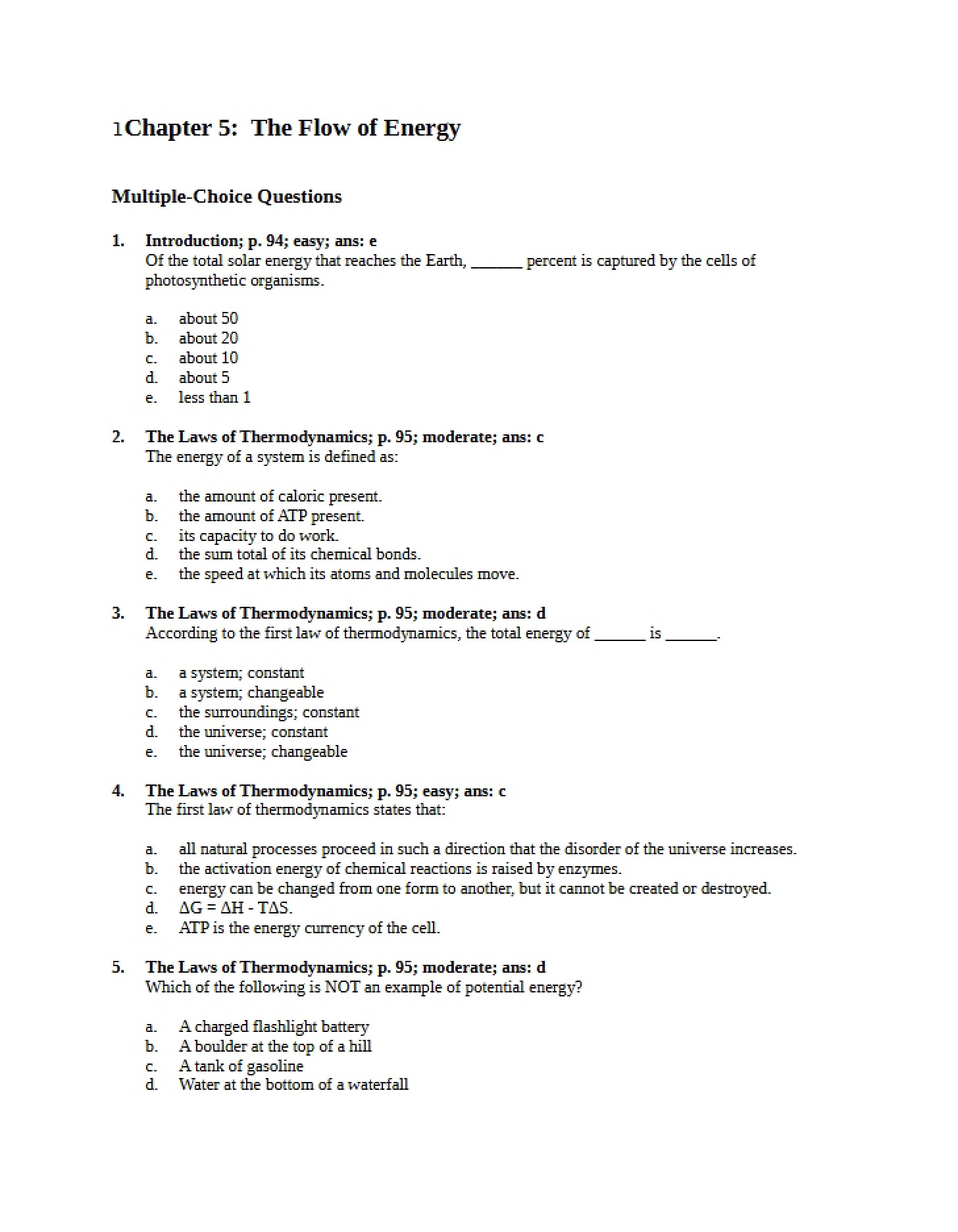
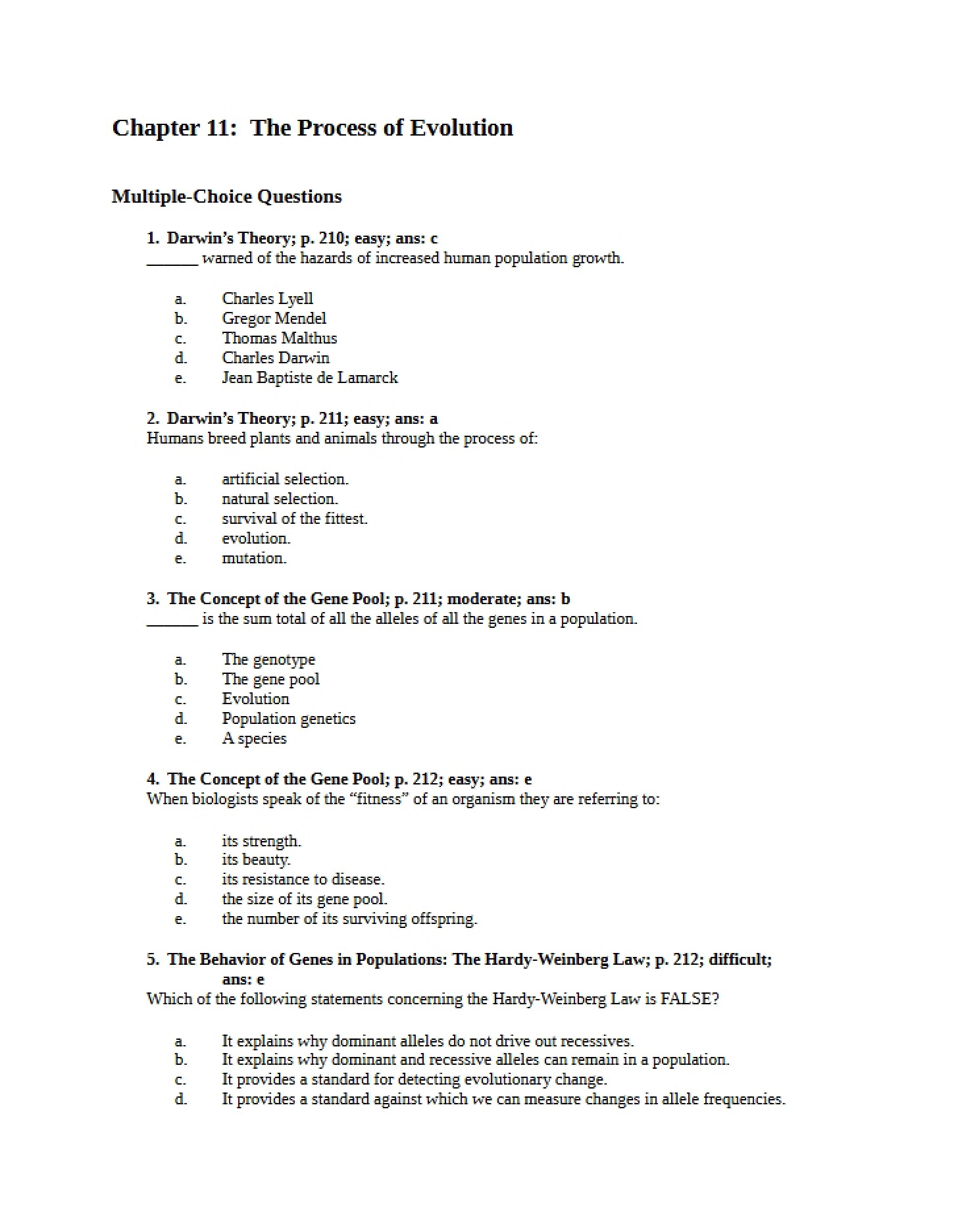
* A series of multiple-choice questions covering key areas of water and solute movement in plants.
* Questions categorized by difficulty level (easy, moderate, difficult) to facilitate targeted practice.
* Indication of the relevant textbook page numbers for each question, allowing for focused review.
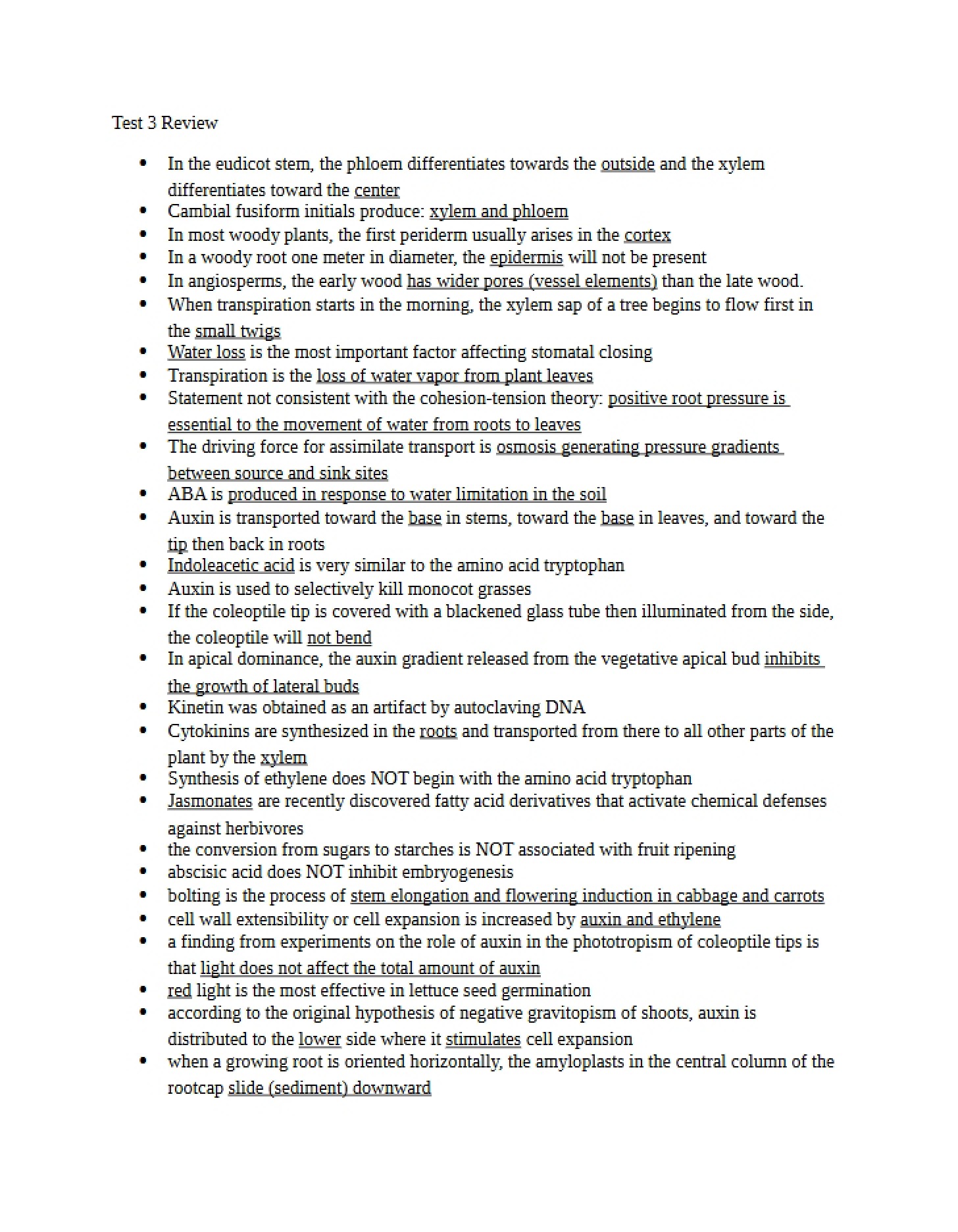
* Questions addressing topics such as xylem and phloem function, transpiration mechanisms, and stomatal control.
* Assessment of understanding regarding the role of specific ions and molecules in plant physiological processes.