What This Document Is
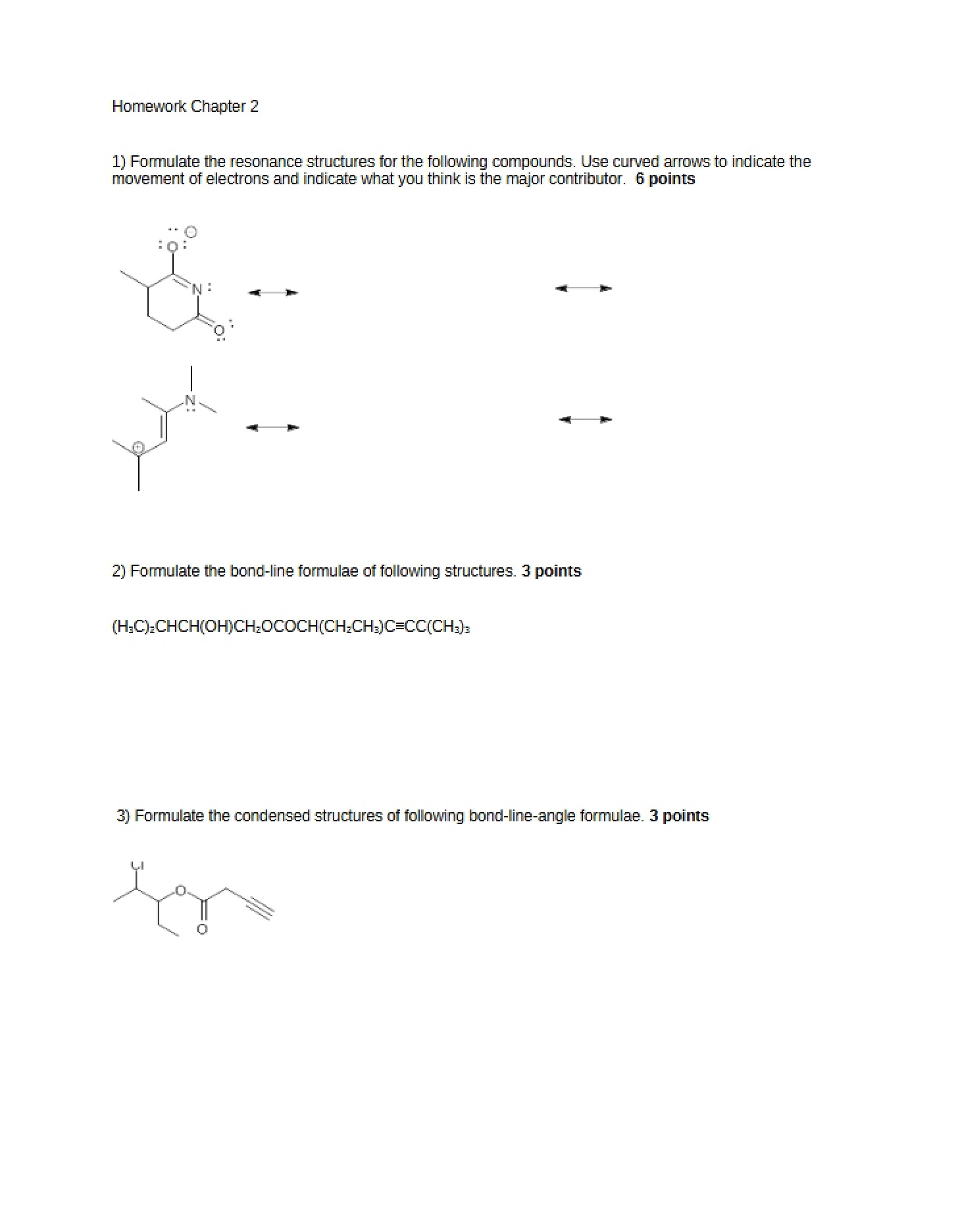
This is a homework assignment designed for students enrolled in Organic Chemistry I (CH 201) at the University of South Alabama, specifically covering material from Chapter 4.2. The assignment focuses on conformational analysis of cyclohexane rings and understanding substituent positioning. It tests your ability to visualize and predict the relative stability of different molecular arrangements. This assignment requires applying principles learned regarding steric interactions and ring strain.
Why This Document Matters
This assignment is crucial for solidifying your understanding of three-dimensional molecular structures, a foundational concept in organic chemistry. Successfully completing this work will prepare you for more complex topics later in the course, such as reaction mechanisms and stereochemistry. It’s best utilized *after* thoroughly reviewing lecture notes and the textbook chapter on cyclohexane conformations, and before attempting more advanced problem sets or preparing for exams. Students who struggle with spatial reasoning or visualizing molecules will find focused practice here particularly beneficial.
Common Limitations or Challenges
This assignment does not include detailed explanations of the underlying concepts. It assumes you have a working knowledge of cyclohexane chair conformations, Newman projections, and the definitions of axial and equatorial positions. It also doesn’t offer step-by-step solutions or worked examples – it’s designed to be an independent practice exercise to assess your comprehension. Access to the assignment does not grant access to instructor-provided solutions or grading rubrics.
What This Document Provides
* Problems requiring the drawing of chair conformations for substituted cyclohexanes.
* Tasks involving the determination of relative conformational stability.
* Exercises focused on converting between different representations of cyclohexane rings (side-on vs. top views).
* Questions prompting the formulation of Newman projections for specific molecules.
* Opportunities to practice identifying the most and least stable conformations of molecules.