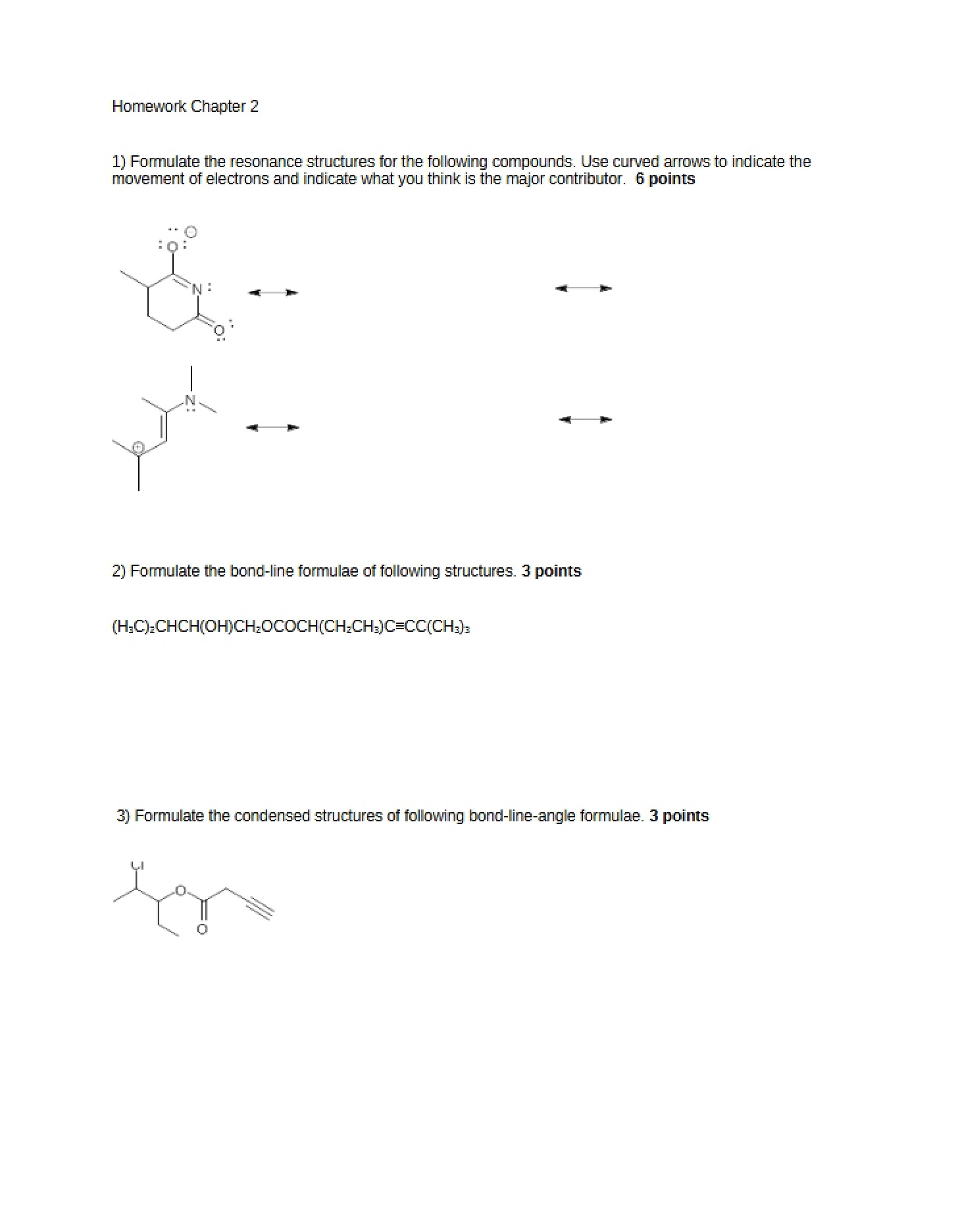
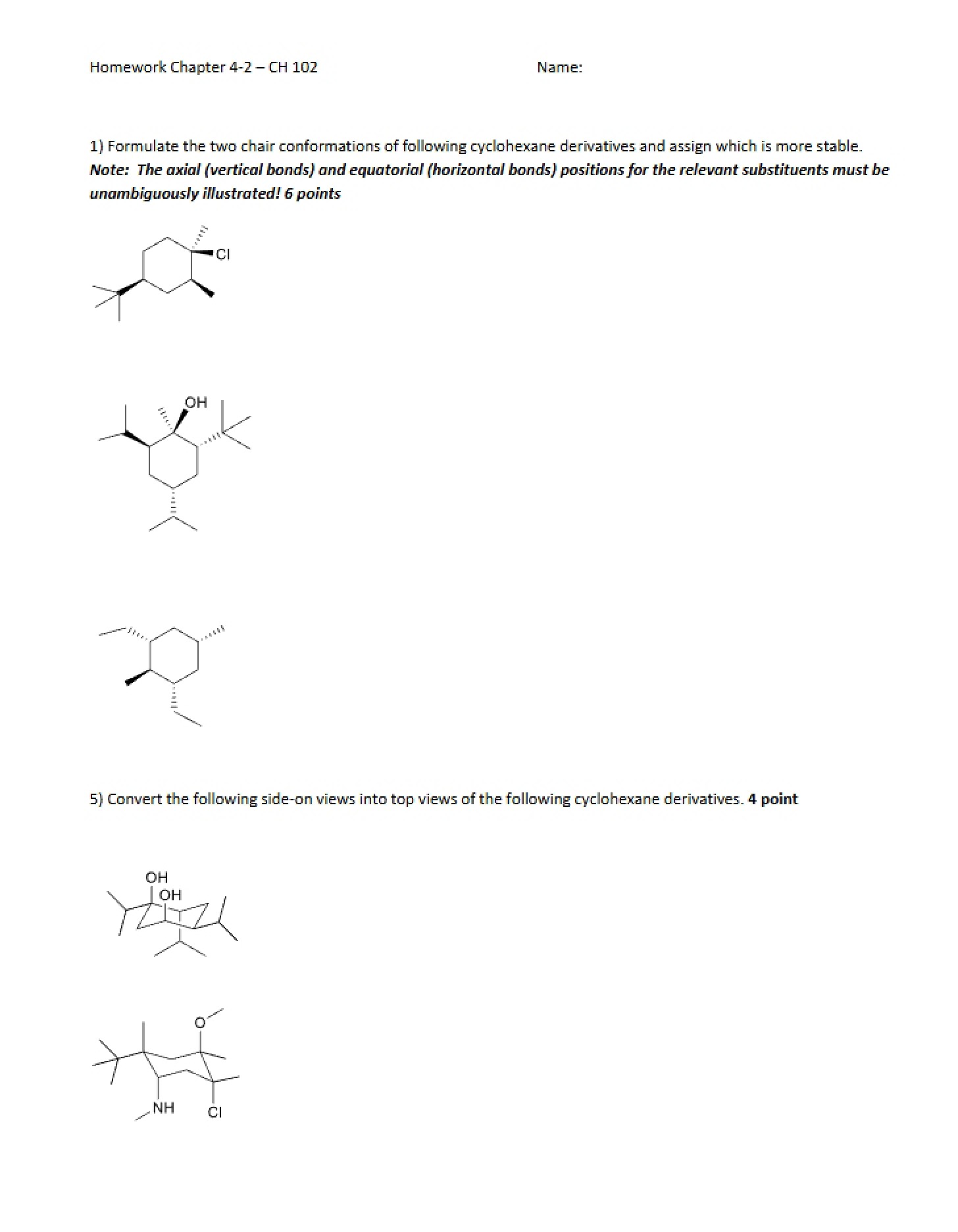
What This Document Is
This is a homework assignment designed to assess your understanding of key concepts covered in Chapter Five of Organic Chemistry I (CH 201) at the University of South Alabama. The assignment focuses on stereochemistry, specifically chirality, enantiomers, and the application of optical activity principles. It requires you to apply learned principles to analyze and interpret organic structures. The problems presented build upon foundational knowledge of organic nomenclature and structural representation.
Why This Document Matters
This assignment is crucial for students enrolled in CH 201 seeking to solidify their grasp of stereoisomers. Successfully completing this homework will demonstrate your ability to identify chiral centers within molecules, determine enantiomeric excess, and relate optical rotation to enantiomeric composition. It’s best utilized *after* thoroughly reviewing lecture notes, textbook readings, and worked examples related to chirality and optical activity. Working through these problems will prepare you for more complex topics later in the course and build a strong foundation for future organic chemistry studies.
Common Limitations or Challenges
This assignment does *not* provide detailed explanations of the underlying principles of stereochemistry. It assumes you have already been introduced to concepts like R/S configuration, enantiomeric excess calculations, and Fischer projections. It also doesn’t offer step-by-step solutions or hints; it’s designed to be an independent assessment of your current understanding. It will not cover topics outside of the scope of Chapter Five’s material on stereochemistry.
What This Document Provides
* Problems requiring identification of chiral centers and assignment of R/S configurations.
* Calculations involving enantiomeric excess (ee) based on specific rotation data.
* Application of optical rotation measurements to determine the composition of enantiomeric mixtures.
* Exercises focused on drawing and interpreting Fischer projections of hexoses.
* Practice applying formulas related to optical purity and enantiomeric composition.