What This Document Is
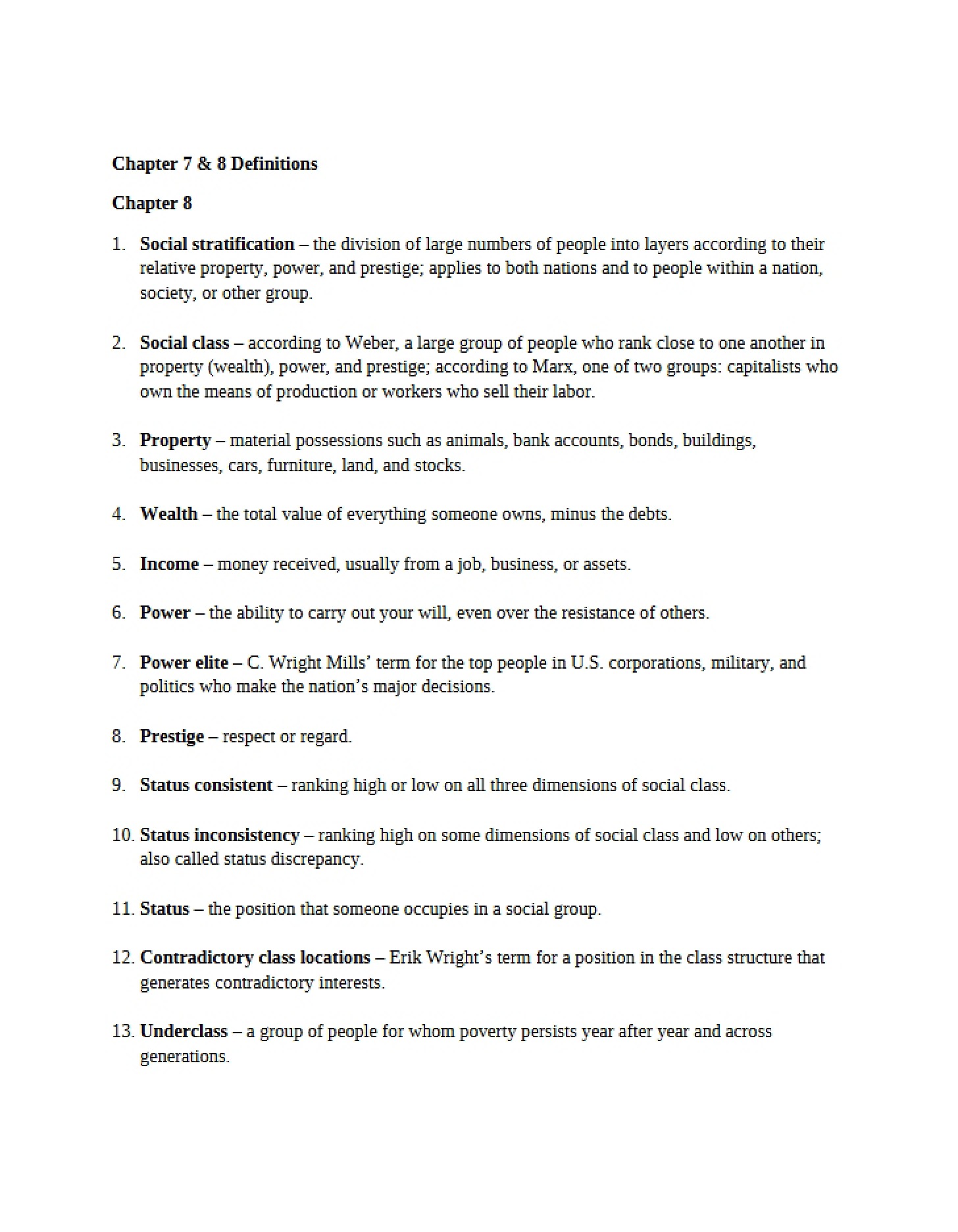
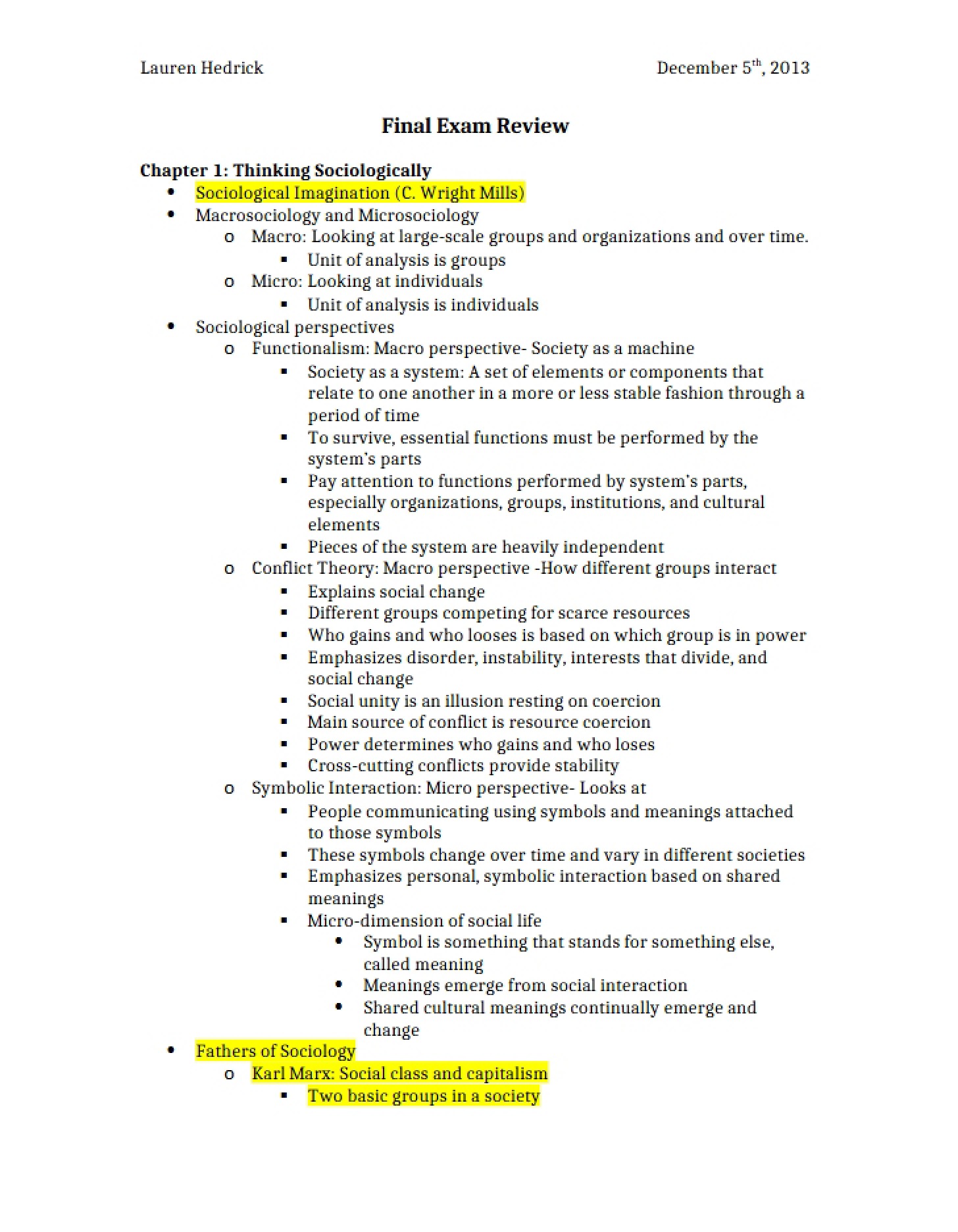
This resource is a focused study guide designed to support your understanding of core concepts within Introductory Sociology, specifically covering material typically found in Chapters 9, 10, 12, and 13. It presents a collection of key terms and definitions essential for navigating complex sociological theories related to social inequality, group dynamics, and population studies. The material originates from course work at the University of South Carolina.
Why This Document Matters
This study guide is invaluable for students preparing for quizzes, exams, or seeking to solidify their grasp of foundational sociological principles. It’s particularly helpful when you need a concise reference point for understanding the language of the discipline. Students who benefit most from this resource are those actively engaged in learning about race and ethnicity, gender roles, aging, and the societal structures that contribute to both opportunity and disadvantage. Use this guide during your independent study, as a companion to your textbook readings, or as a quick refresher before class discussions.
Common Limitations or Challenges
This guide focuses *exclusively* on definitions of key terms. It does not include in-depth explanations of sociological theories, case studies, research methodologies, or critical analyses of the concepts presented. It is intended to be a starting point for learning, not a comprehensive substitute for lectures, readings, or further research. It also doesn’t offer practical application exercises or real-world examples.
What This Document Provides
* A glossary of terms related to race, ethnicity, and intergroup relations.
* Definitions pertaining to gender, sex, and related social structures.
* Key vocabulary concerning population demographics and aging.
* Clarification of concepts surrounding discrimination, prejudice, and social inequality.
* Terms related to social movements and collective identity formation.
* Definitions of concepts related to power dynamics within society.