What This Document Is
This resource is designed as a comprehensive assessment tool focusing on the intricate world of joints – the connections between bones in the human body. Specifically geared towards students in Anatomy & Physiology I (EXSC 223) at the University of South Carolina, this material tests understanding of joint structure, classification, and functional properties. It utilizes a variety of question formats to evaluate knowledge retention and application of key concepts related to the skeletal system and its mechanics.
Why This Document Matters
This is an invaluable resource for students preparing for quizzes and exams on joint anatomy and physiology. It’s particularly helpful for reinforcing learning after lectures and textbook readings, and for identifying areas where further study is needed. Students who utilize this material will be better equipped to understand how the body moves, how injuries to joints occur, and the principles behind maintaining joint health. It’s ideal for self-testing and collaborative study sessions.
Common Limitations or Challenges
This material is a focused assessment and does *not* provide foundational instruction on joint anatomy and physiology. It assumes a prior understanding of the terminology and concepts covered in lectures and assigned readings. It also doesn’t include detailed explanations of correct answers – its purpose is to *test* knowledge, not to teach it directly. It is not a substitute for attending class or completing assigned coursework.
What This Document Provides
* A series of short answer questions designed to assess recall of key terms and definitions.
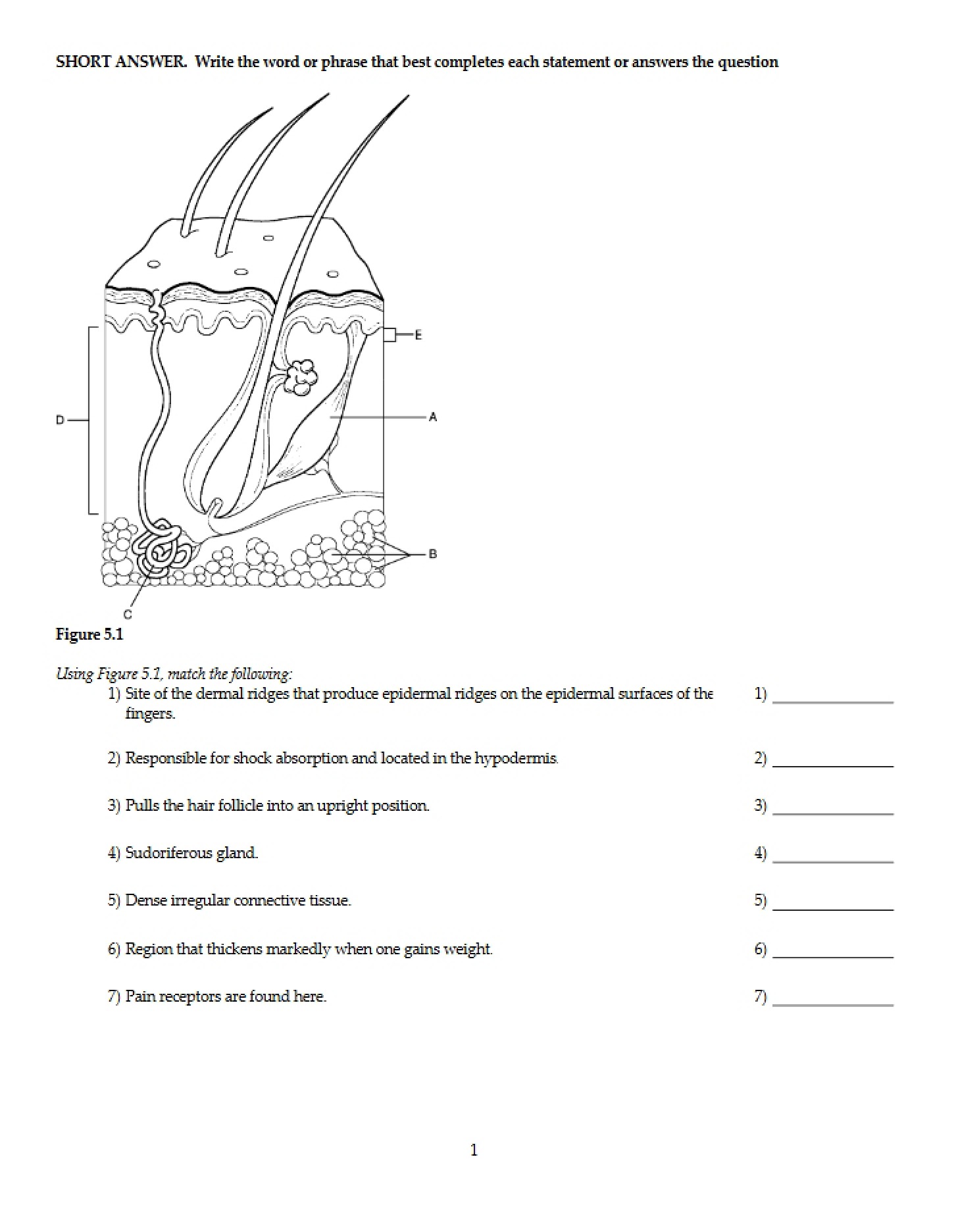
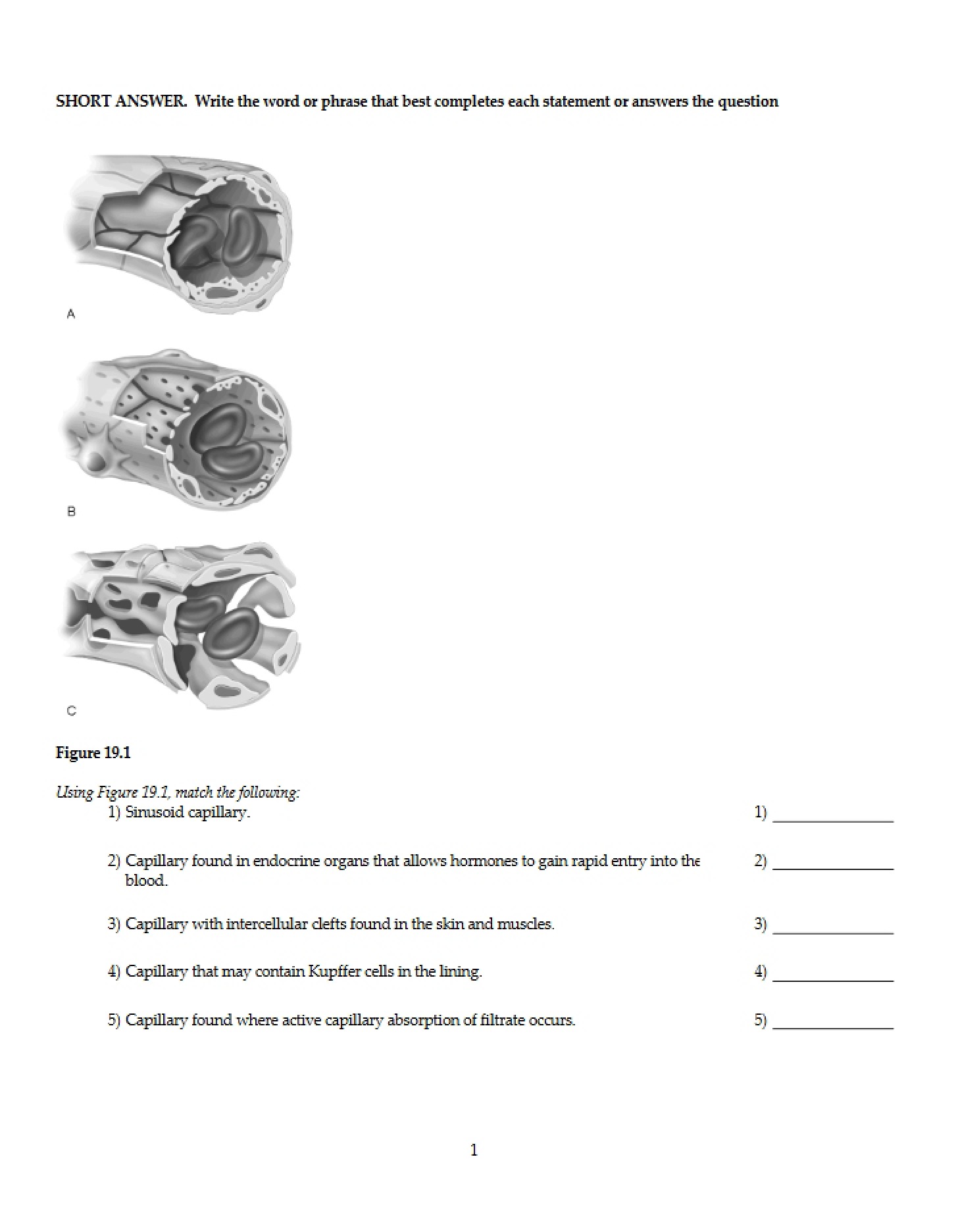
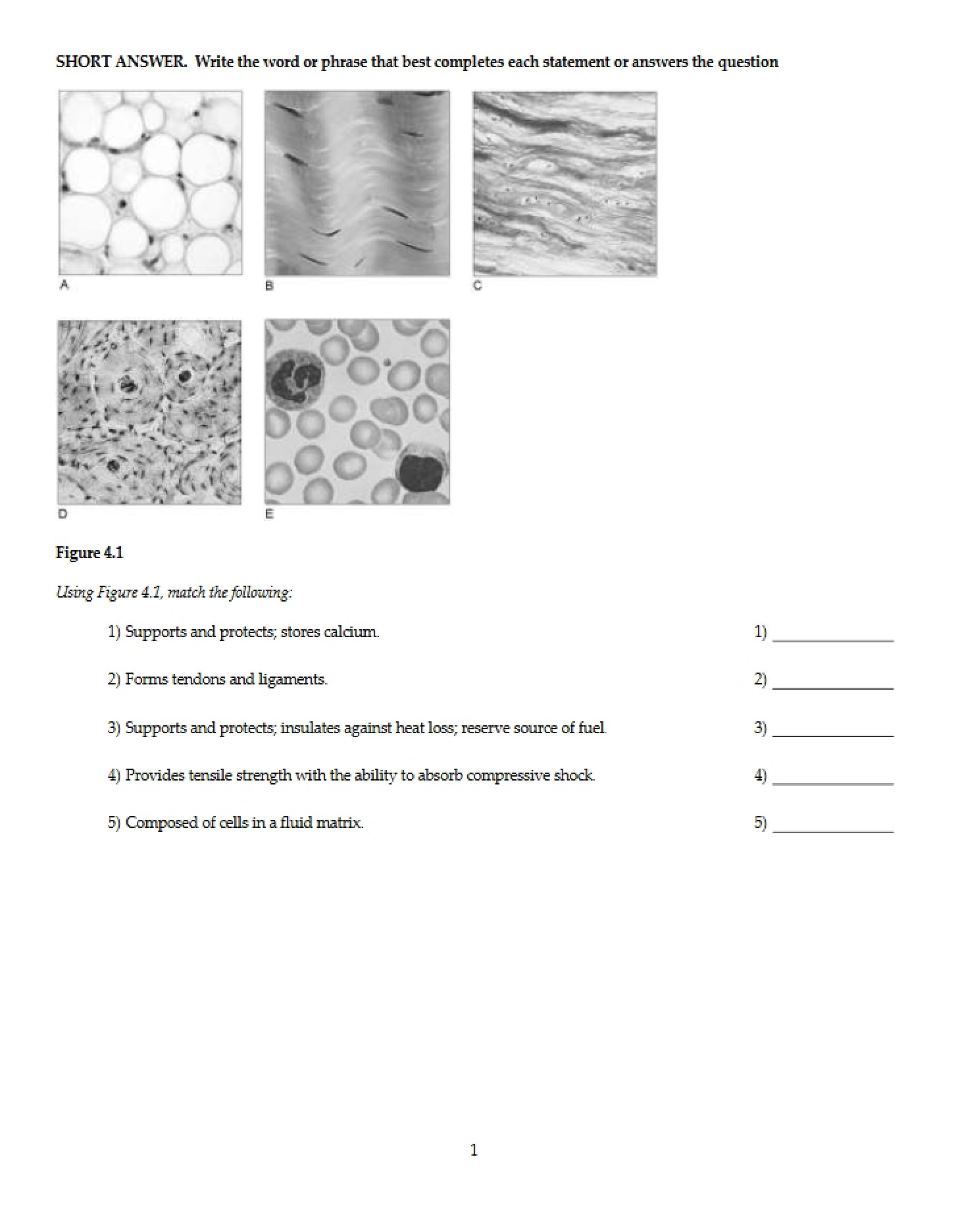
* Image-based questions requiring identification of joint structures using anatomical diagrams.
* Questions focused on classifying joints based on their range of motion and structural characteristics.
* True/False statements to evaluate comprehension of fundamental principles.
* Multiple-choice questions covering a broad range of topics related to joint function and classification.
* A format mirroring typical exam questions, providing realistic practice.