What This Document Is
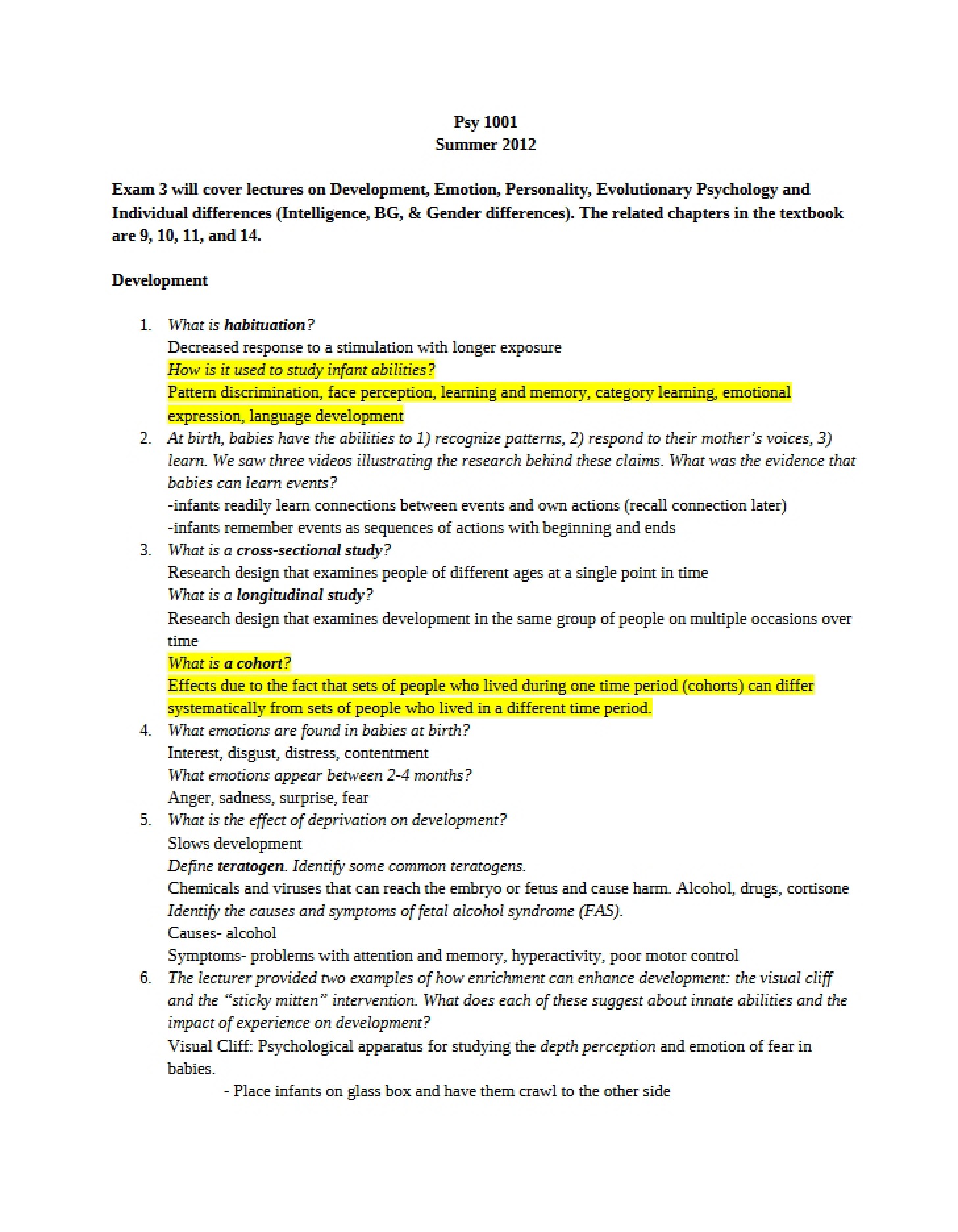
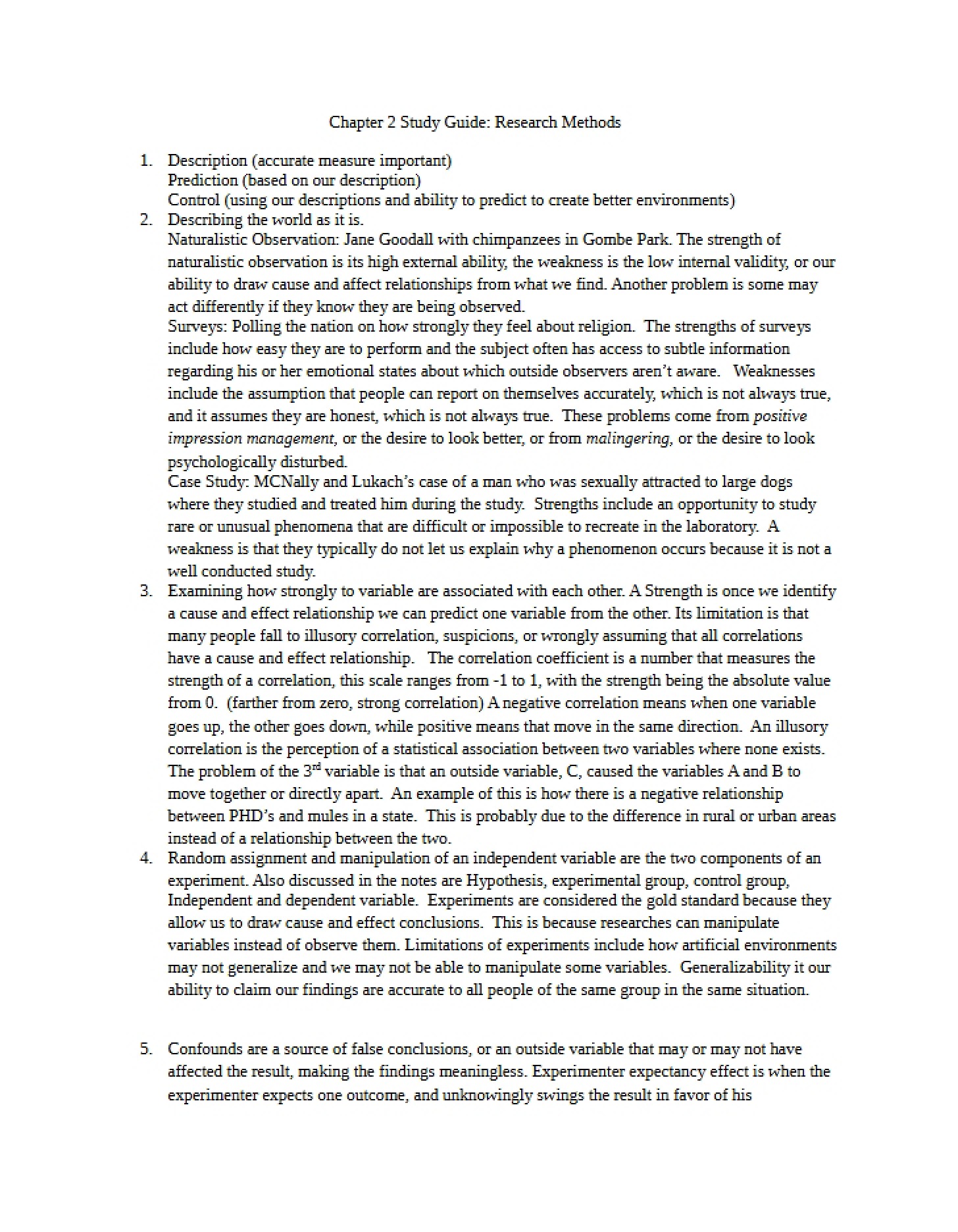
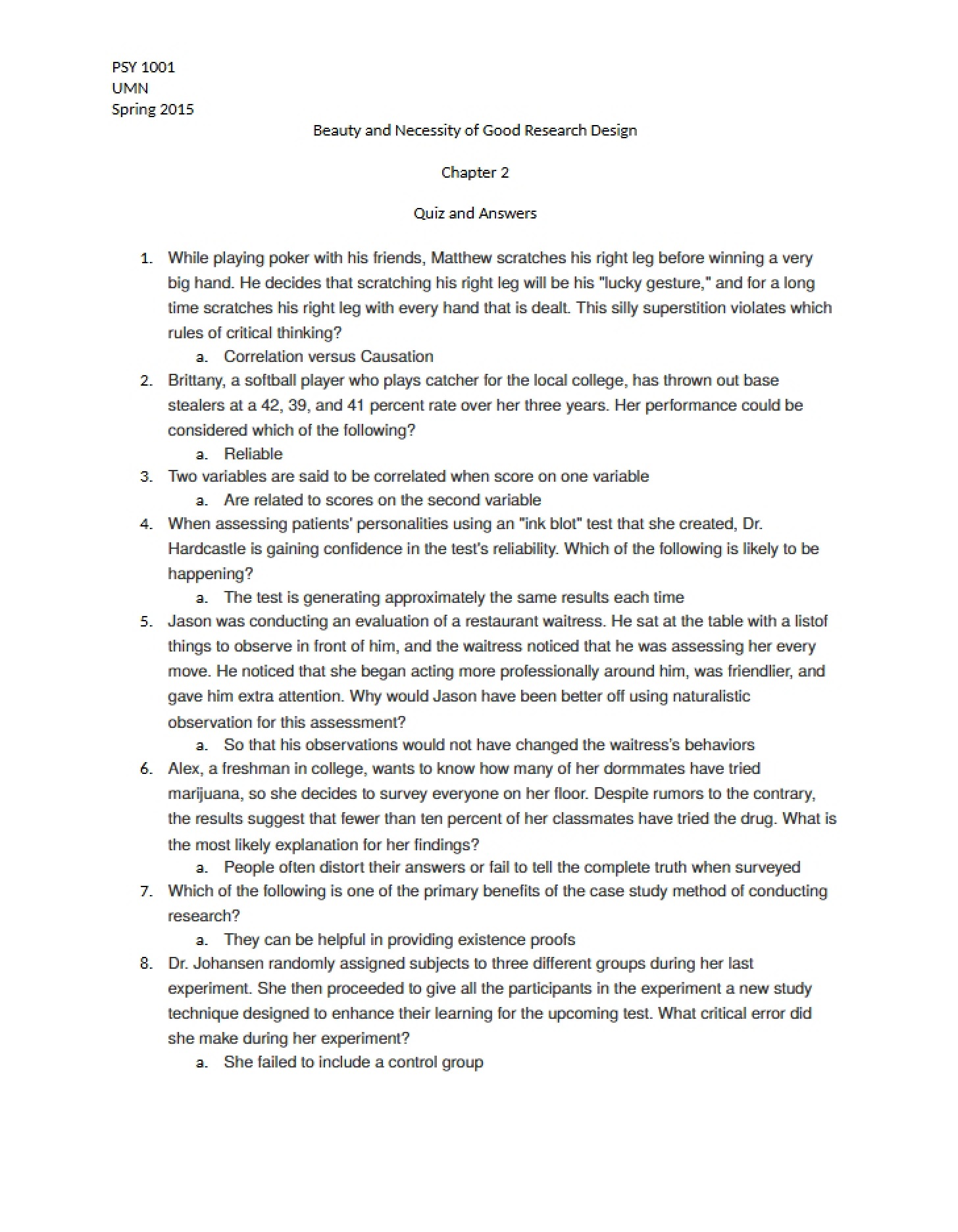
This study guide provides a focused exploration of core concepts within the field of cognitive psychology, specifically as presented in Chapter Eight of the Introduction to Psychology course at the University of Minnesota Twin Cities. It delves into the intricacies of how humans think, reason, and solve problems, examining the mental processes underlying our daily decisions. The material covers key areas related to judgment, problem-solving strategies, and the influence of language on thought.
Why This Document Matters
This resource is ideal for students enrolled in PSY 1001 seeking a comprehensive review of the material covered in Chapter Eight. It’s particularly useful for exam preparation, reinforcing lecture notes, and deepening your understanding of complex psychological principles. Students who struggle with applying theoretical concepts to real-world scenarios, or those aiming for a higher level of mastery in cognitive psychology, will find this guide exceptionally valuable. It’s best utilized *after* engaging with the primary course materials – lectures and textbook readings – to solidify your learning.
Common Limitations or Challenges
This study guide is designed to *supplement*, not replace, the core course content. It does not contain the full textbook chapter or lecture transcripts. It will not provide step-by-step solutions to problems, nor will it offer complete explanations of every nuanced detail. The guide focuses on outlining key themes and concepts, requiring you to actively engage with the original course materials for a complete understanding. It assumes a foundational knowledge of basic psychological terminology.
What This Document Provides
* An overview of different reasoning approaches and their applications.
* Exploration of cognitive shortcuts (heuristics) and potential biases in decision-making.
* A breakdown of the elements involved in effective problem-solving.
* Discussion of the factors that differentiate expert thinkers from novices.
* Examination of the relationship between language and cognitive processes.
* Key terminology related to cognitive psychology and research methodologies.