What This Document Is
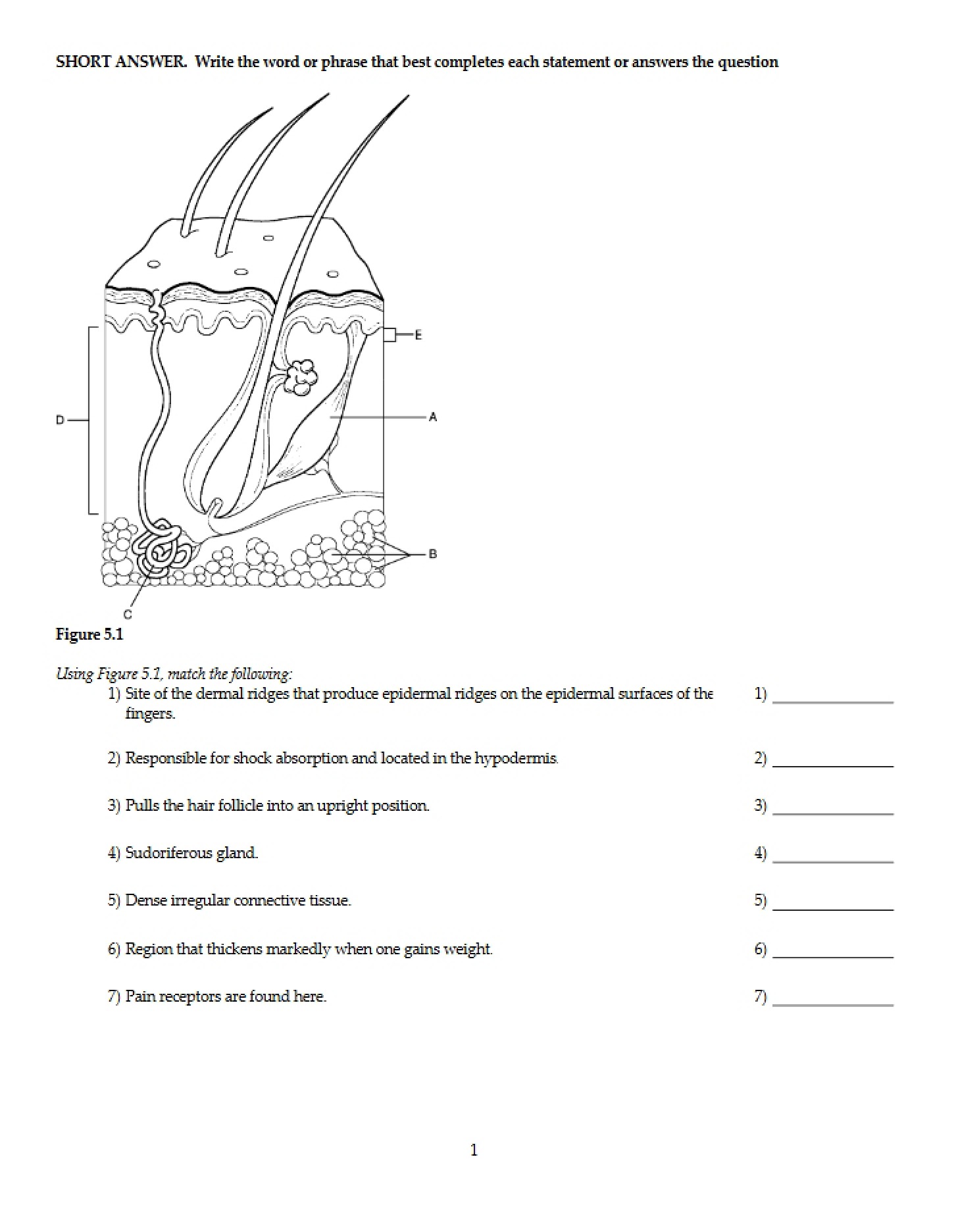
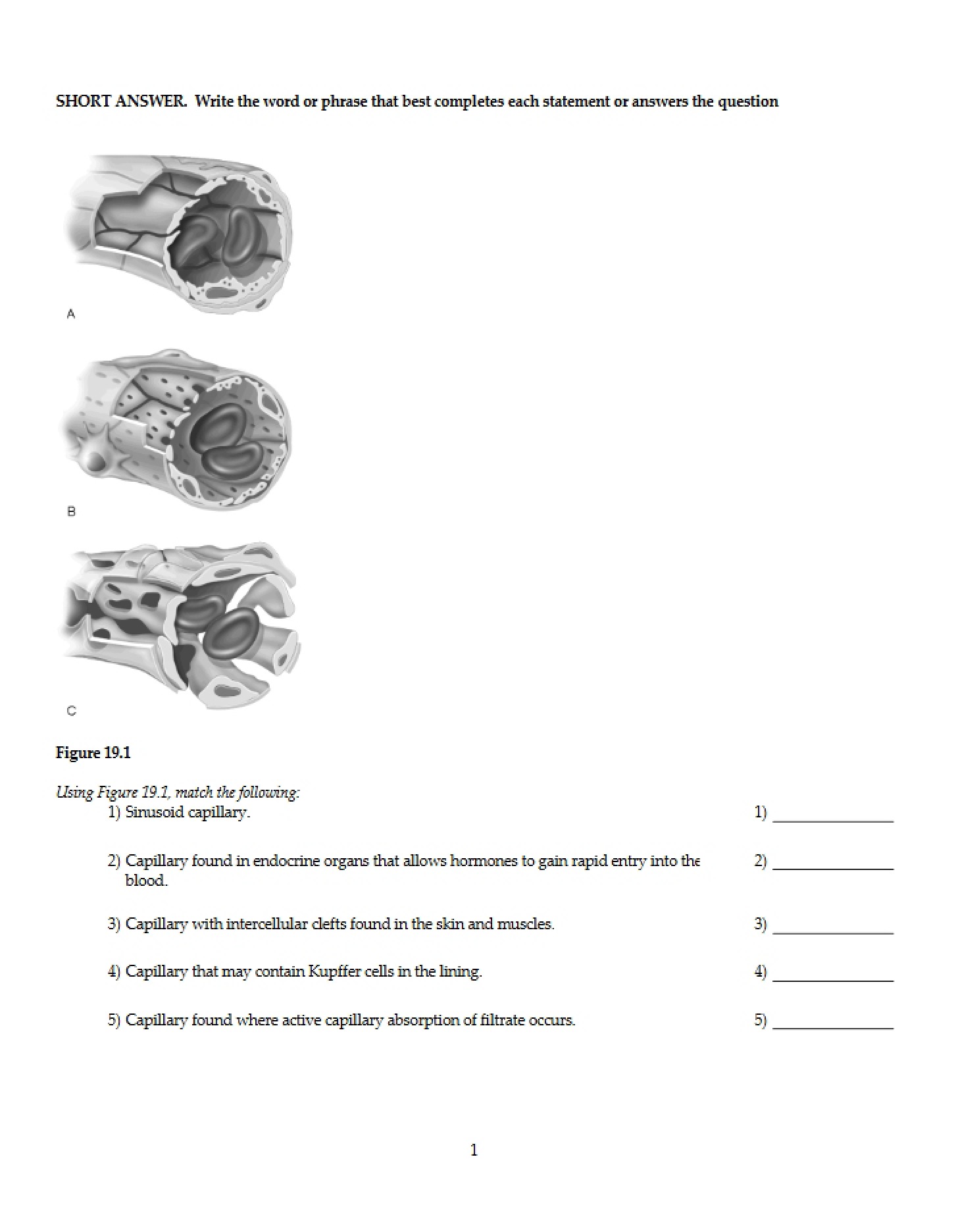
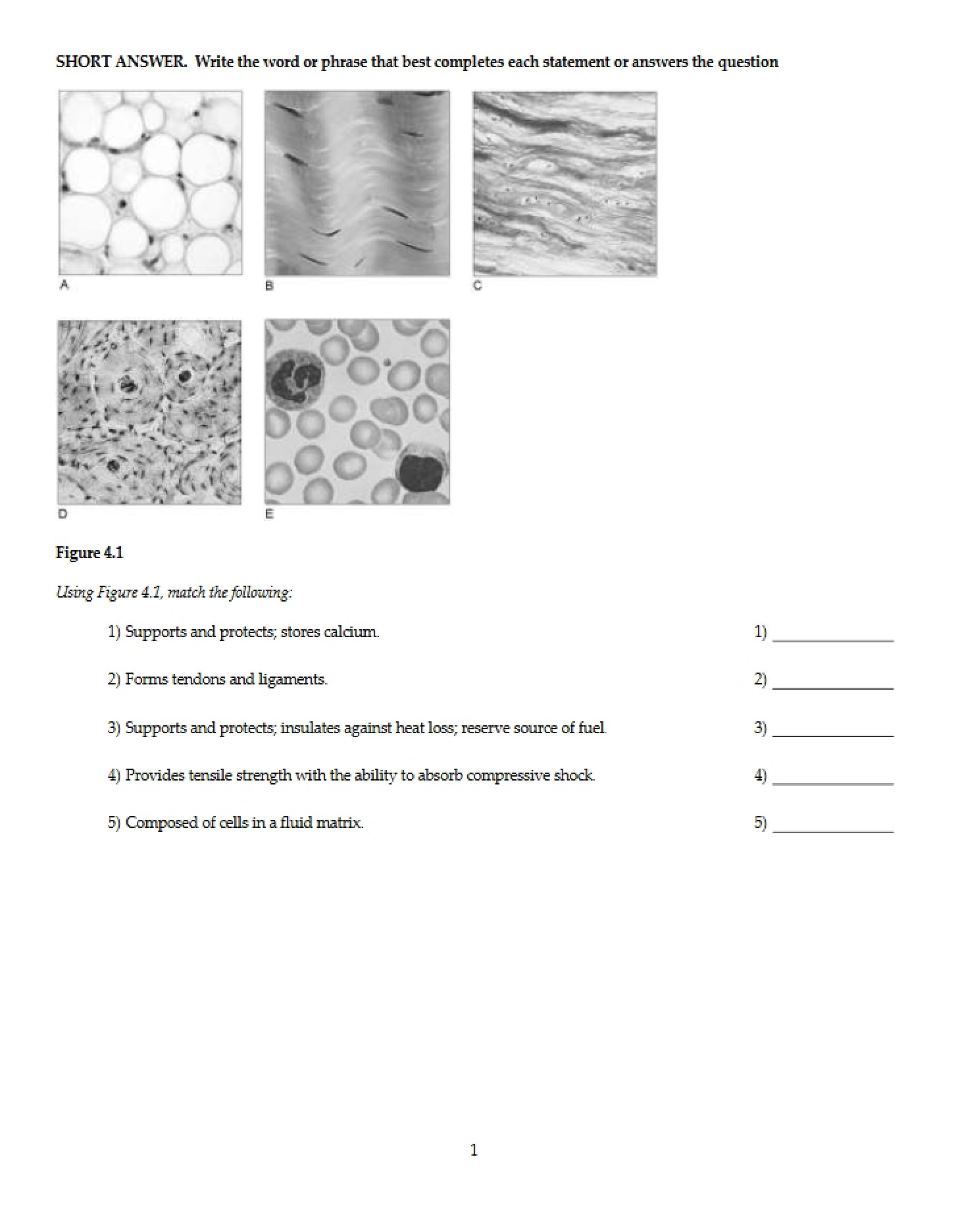
This material is designed as a comprehensive assessment tool focusing on foundational principles within Anatomy and Physiology I, specifically relating to muscular and skeletal systems. It appears to be a practice test or quiz, formatted to evaluate understanding of key concepts through a variety of question types. The content centers around biomechanics, muscle identification, function, and categorization, as well as lever systems within the human body. It’s geared towards students in an introductory-level EXSC course.
Why This Document Matters
This resource is incredibly valuable for students preparing for quizzes and exams in Anatomy-Physiology I. It’s particularly useful for those needing to solidify their understanding of muscle actions, lever mechanics, and anatomical relationships. Utilizing this material allows students to proactively identify knowledge gaps and focus study efforts where they are most needed. It’s best used *after* initial learning through textbooks and lectures, as a method of self-testing and reinforcing core concepts. Students pursuing careers in exercise science, kinesiology, or related health fields will find this particularly beneficial.
Common Limitations or Challenges
This material is focused on *testing* knowledge, not *teaching* it. It does not include detailed explanations of the underlying anatomical or physiological principles. It assumes a base level of understanding from prior coursework or readings. While it covers a range of topics, it doesn’t represent the entirety of the course material and shouldn’t be used as a sole study resource. It is designed to assess comprehension, not to provide a comprehensive review of all concepts.
What This Document Provides
* A variety of question formats including short answer, matching, true/false, and multiple choice.
* Focus on identifying muscle functions and anatomical relationships.
* Assessment of understanding of lever systems and biomechanical principles.
* Opportunities to test knowledge of specific muscle names and their actions.
* Practice applying anatomical terminology to functional movements.
* A framework for self-assessment of key concepts related to muscular anatomy and physiology.