What This Document Is
This is a focused summary designed to reinforce your understanding of bond accounting – a core topic within Principles of Financial Accounting. It specifically concentrates on the mechanics of how companies account for bonds, from the moment they are issued to their eventual maturity. This resource breaks down the key concepts related to bond valuation and ongoing financial reporting.
Why This Document Matters
Students enrolled in ACCT 2610 at Washington University in St. Louis will find this particularly helpful when preparing for quizzes and exams covering long-term liabilities. It’s ideal for reviewing after lectures, while working through homework assignments, or as a refresher before major assessments. Anyone struggling to grasp the nuances of bond pricing, interest calculations, and the impact of discounts or premiums will benefit from a focused review of these principles. It’s best used *in conjunction* with your textbook and lecture notes.
Common Limitations or Challenges
This summary provides a condensed overview and does not replace the need for a thorough understanding of the underlying accounting principles. It does not include detailed numerical examples or step-by-step problem solutions. It also assumes a foundational knowledge of present value concepts and basic accounting terminology. This resource focuses solely on the accounting treatment *from the issuer’s perspective* and does not cover bond investments.
What This Document Provides
* A breakdown of the factors influencing the initial price at which bonds are sold.
* An overview of the journal entries required when bonds are initially issued, considering different pricing scenarios.
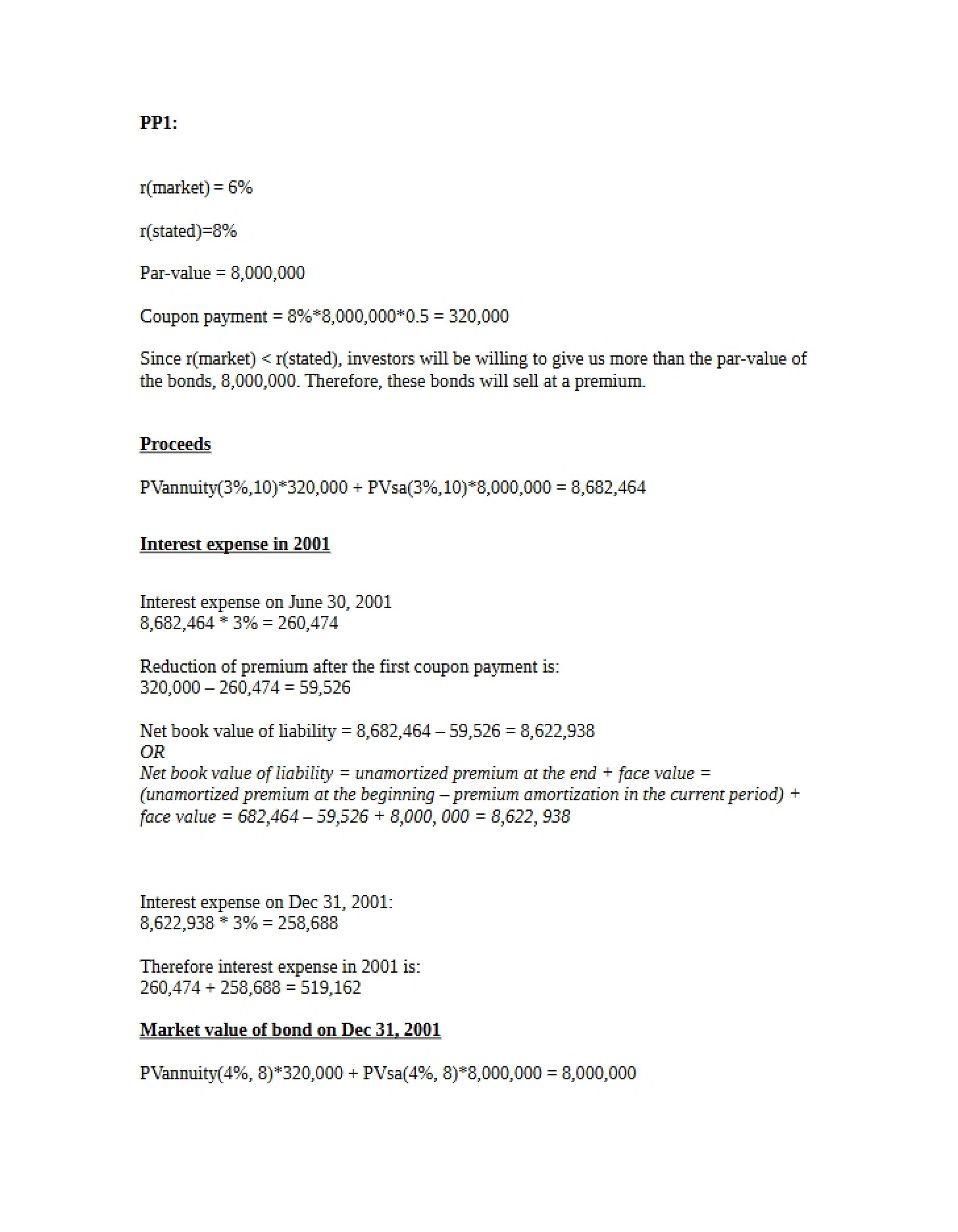
* A discussion of methods used to calculate bond interest expense over the life of the bond.
* An explanation of how bond carrying value changes over time, and the impact of premium or discount amortization.
* Guidance on the journal entries needed to record periodic interest payments.
* A review of the final journal entry required when bonds reach their maturity date.