What This Document Is
This material is designed as a comprehensive assessment tool focusing on foundational principles within Anatomy and Physiology I (EXSC 223) at the University of South Carolina. Specifically, Chapter Three delves into the intricate world of cellular structures and functions – the fundamental building blocks of life. It’s structured as a practice test, employing a variety of question formats to evaluate understanding of core concepts. Expect a rigorous review of cellular components, their roles, and the processes that govern their behavior.
Why This Document Matters
This resource is invaluable for students preparing for quizzes, exams, or seeking to solidify their grasp of cellular biology. It’s particularly useful for identifying knowledge gaps and reinforcing key terminology. Students who actively work through these types of questions will be better equipped to apply their understanding to more complex physiological systems later in the course. It’s ideal for self-testing and collaborative study sessions, allowing you to pinpoint areas needing further attention before graded assessments.
Common Limitations or Challenges
This chapter preview does *not* provide detailed explanations of the concepts being tested. It’s designed to *assess* your existing knowledge, not to teach you the material from scratch. It also doesn’t include comprehensive lecture notes or textbook summaries. Successfully navigating this material requires a solid foundation in the core principles of cell biology as presented in your course materials. It is a practice tool, and does not substitute for thorough study of assigned readings and class participation.
What This Document Provides
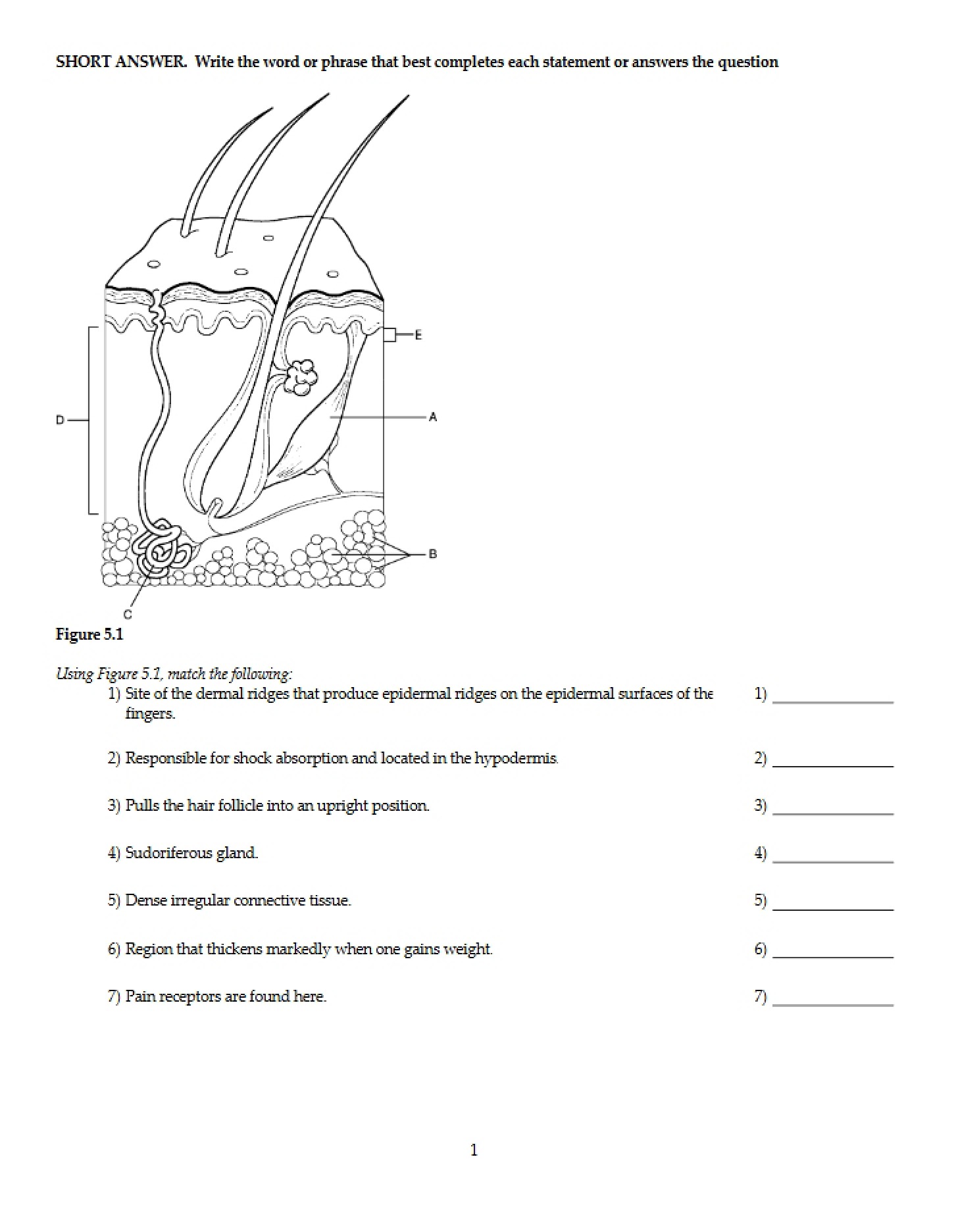
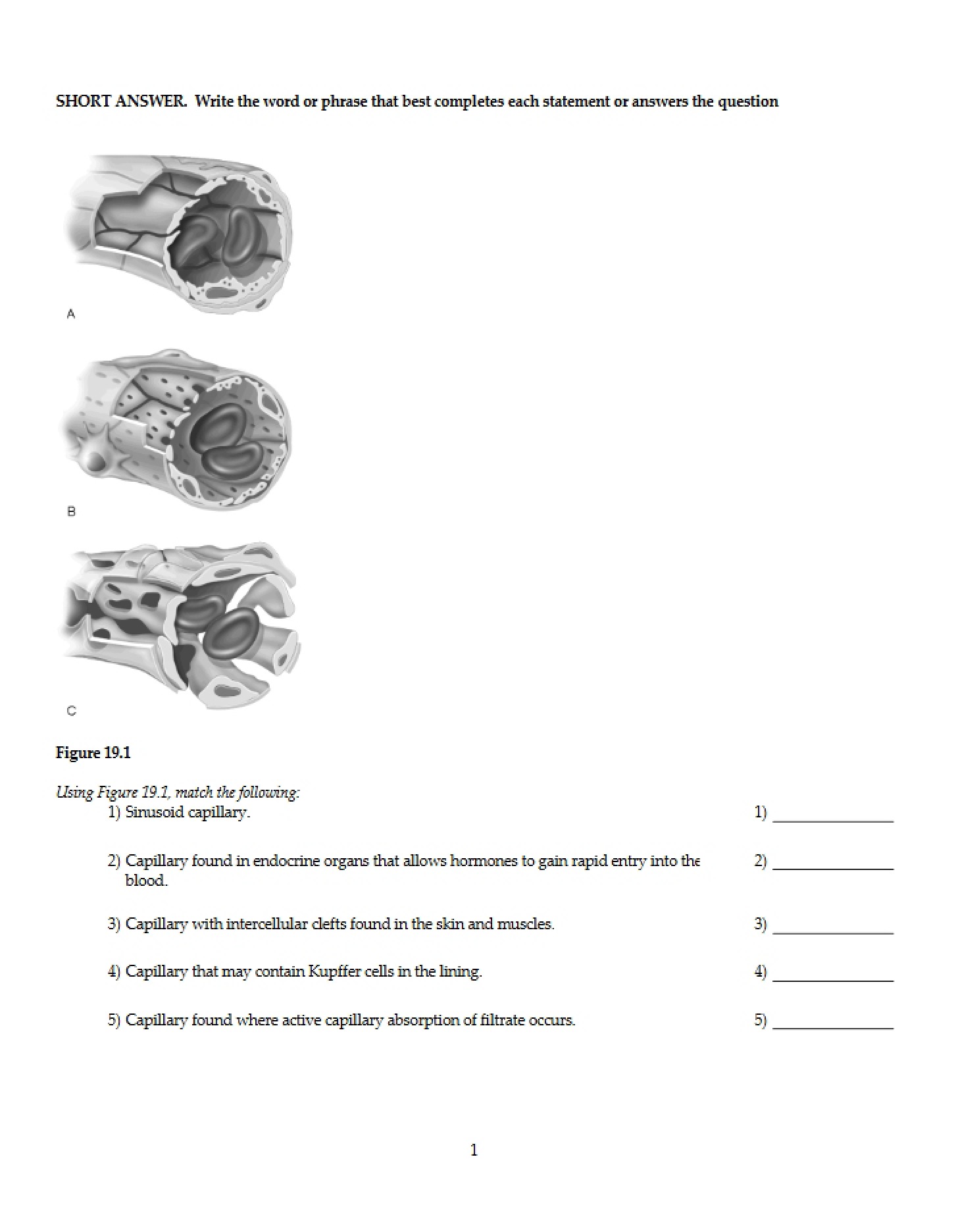
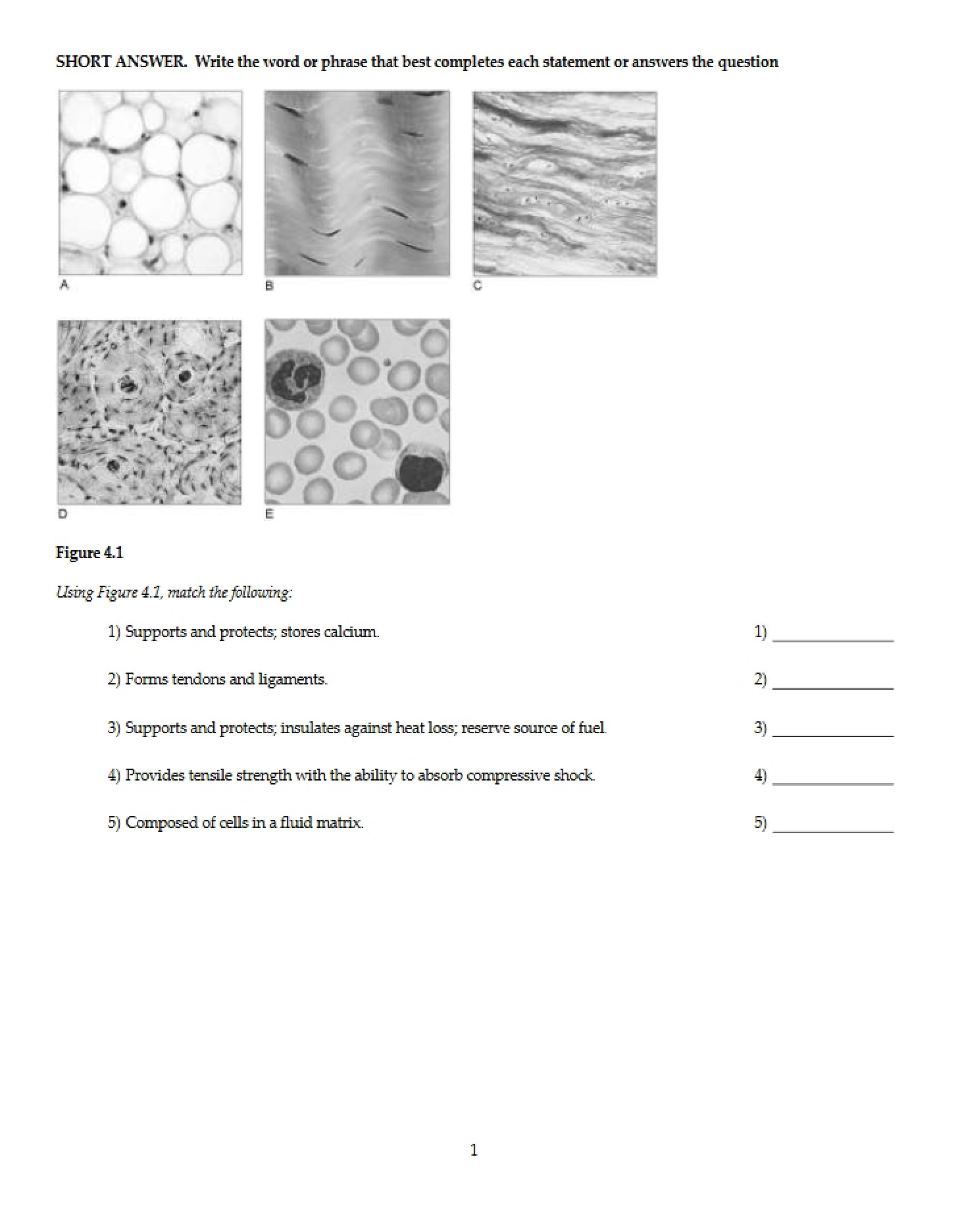
* A series of short answer questions designed to test recall of key cellular structures and their functions.
* Matching exercises focusing on the relationship between cellular components and their specific roles.
* Questions relating to the stages of cell division (mitosis) and their defining characteristics.
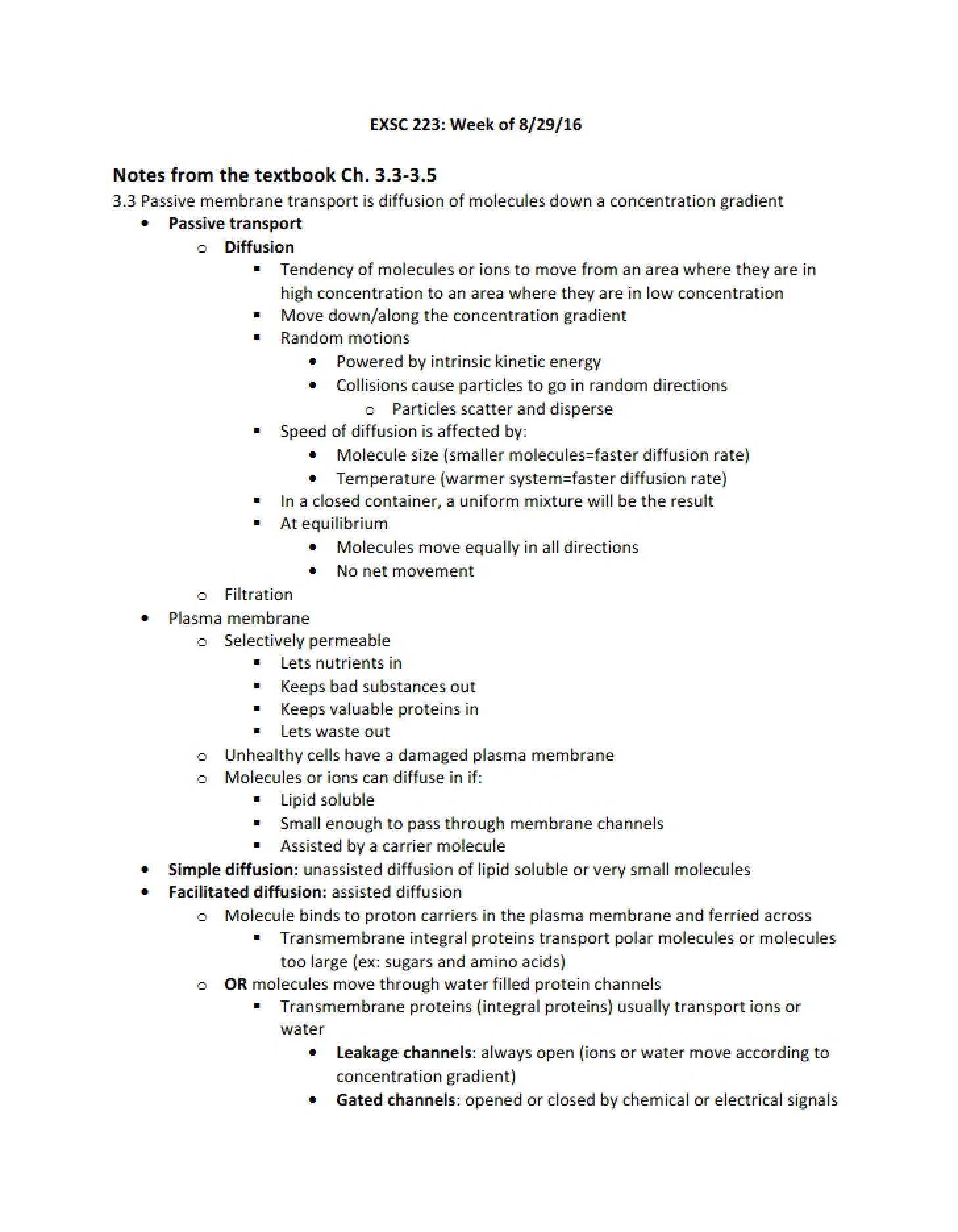
* Assessment of understanding regarding cellular transport mechanisms and junction types.
* True/False statements to evaluate comprehension of fundamental cellular processes and terminology.
* Focus on the molecular components involved in protein synthesis.
* Evaluation of understanding of the cell membrane and its components.