What This Document Is
This document is a comprehensive assessment tool designed to test your understanding of the central and peripheral nervous systems, building upon concepts typically covered in an Anatomy and Physiology I course. It focuses on key structures, functions, and organizational principles of the brain and spinal cord. The format primarily utilizes matching questions, true/false statements, and figure-based identification exercises, mirroring the style of many university-level examinations.
Why This Document Matters
This resource is invaluable for students preparing for quizzes and exams in EXSC 223 (Anatomy-Physiology I) at the University of South Carolina, or similar courses at other institutions. It’s particularly helpful for solidifying knowledge of neuroanatomy and neurophysiology. Use this to pinpoint areas where your understanding needs strengthening *before* a graded assessment. It’s best utilized *after* you’ve engaged with assigned readings and lectures, serving as a robust self-evaluation tool. Students who actively work through these types of questions tend to perform better on formal evaluations.
Common Limitations or Challenges
This document is designed to *evaluate* your existing knowledge, not to *teach* you new material. It assumes you have already been introduced to the foundational concepts of the nervous system. It does not include detailed explanations of the answers, nor does it offer comprehensive background information on the topics covered. Successfully navigating this assessment requires a solid grasp of terminology and a strong ability to apply anatomical knowledge. It won’t replace the need for textbook study or lecture attendance.
What This Document Provides
* Extensive matching exercises relating brain structures to their functions.
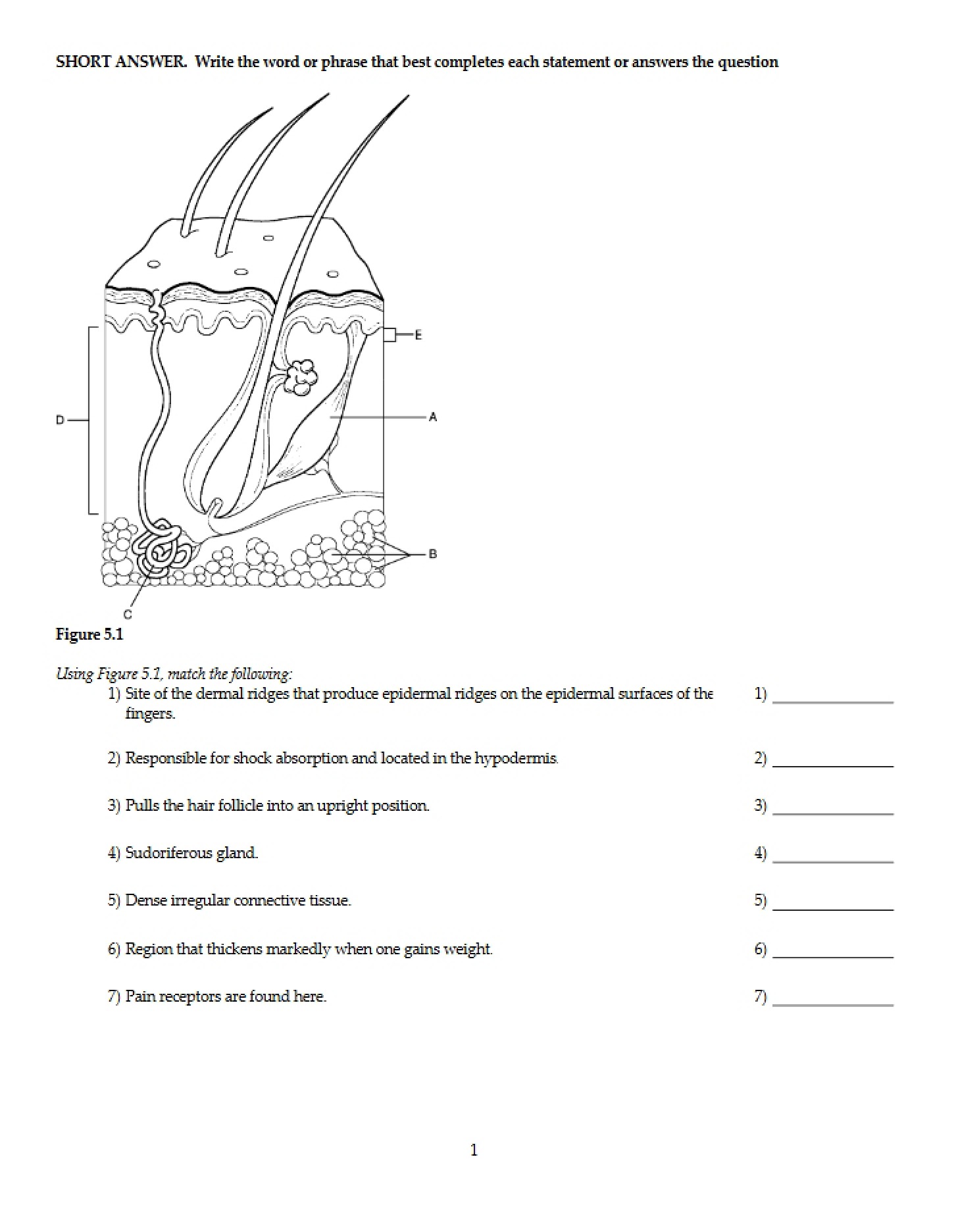
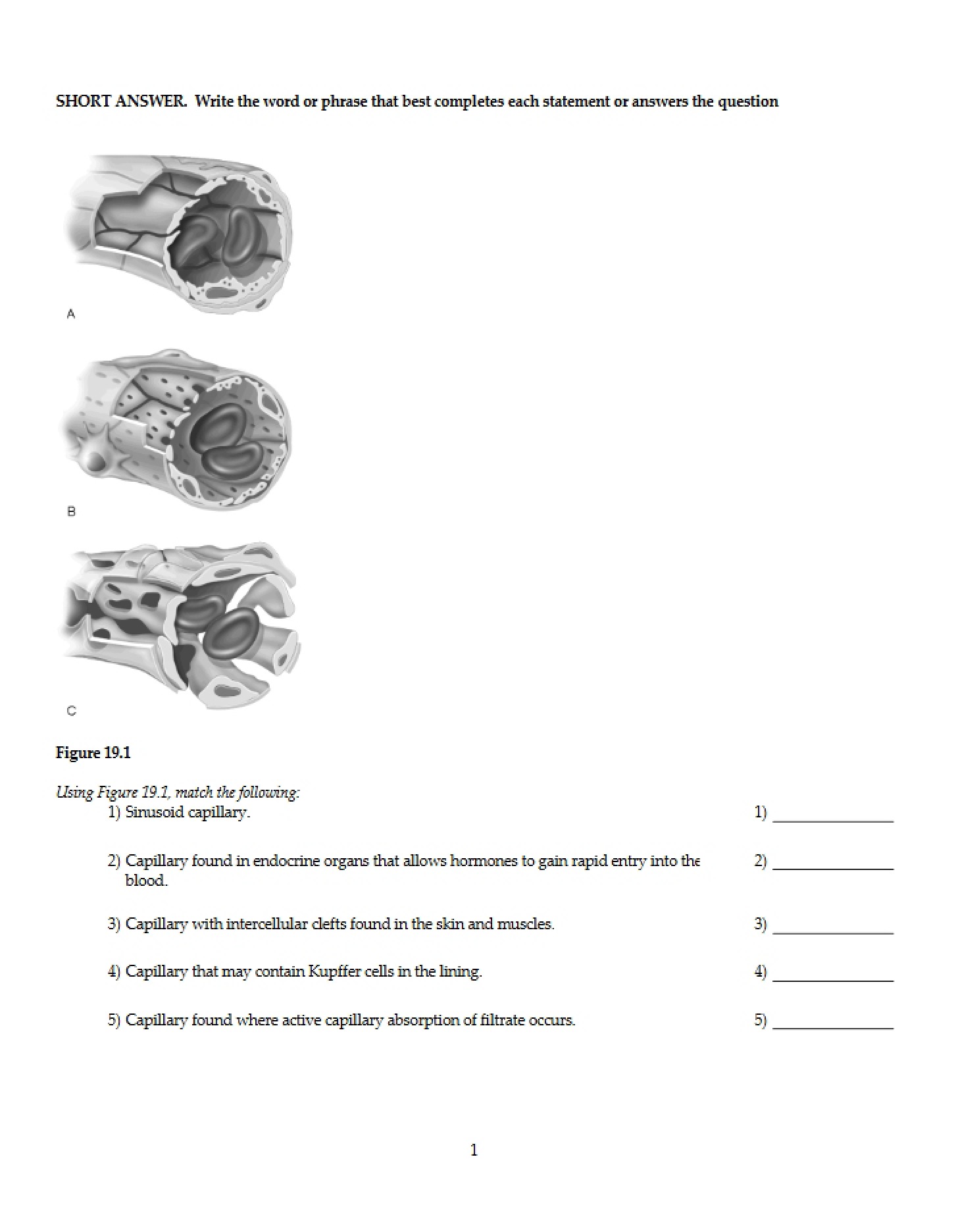
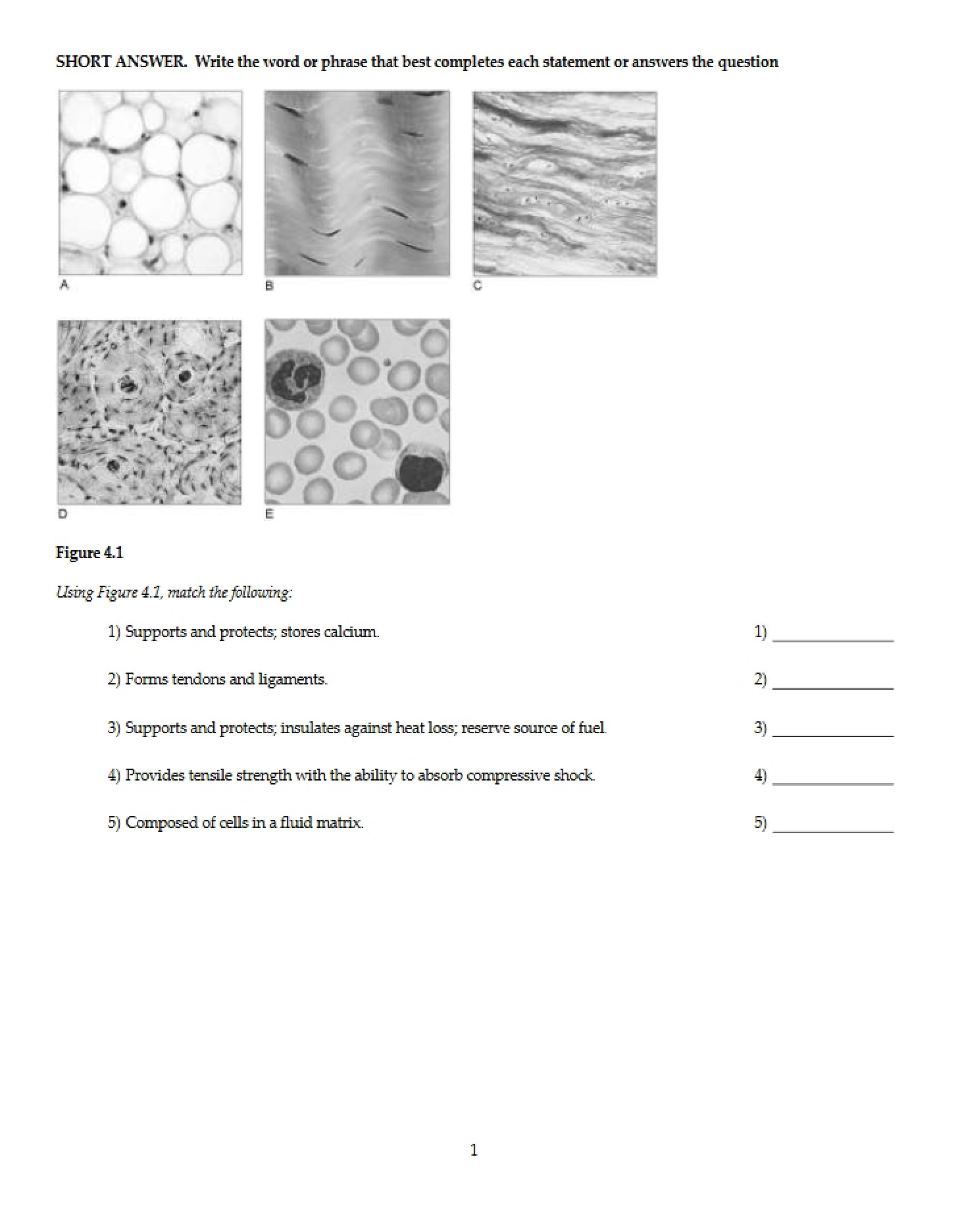
* Identification practice using diagrams of the brain and spinal cord.
* True/False questions covering a wide range of neurological concepts.
* Assessment of understanding regarding stages of sleep and their physiological characteristics.
* Focus on key areas like cerebral lobes, sensory and motor cortices, and the limbic system.
* Evaluation of knowledge concerning the spinal cord, meninges, and cerebrospinal fluid.
* Questions relating to neurological conditions and developmental aspects of the nervous system.