What This Document Is
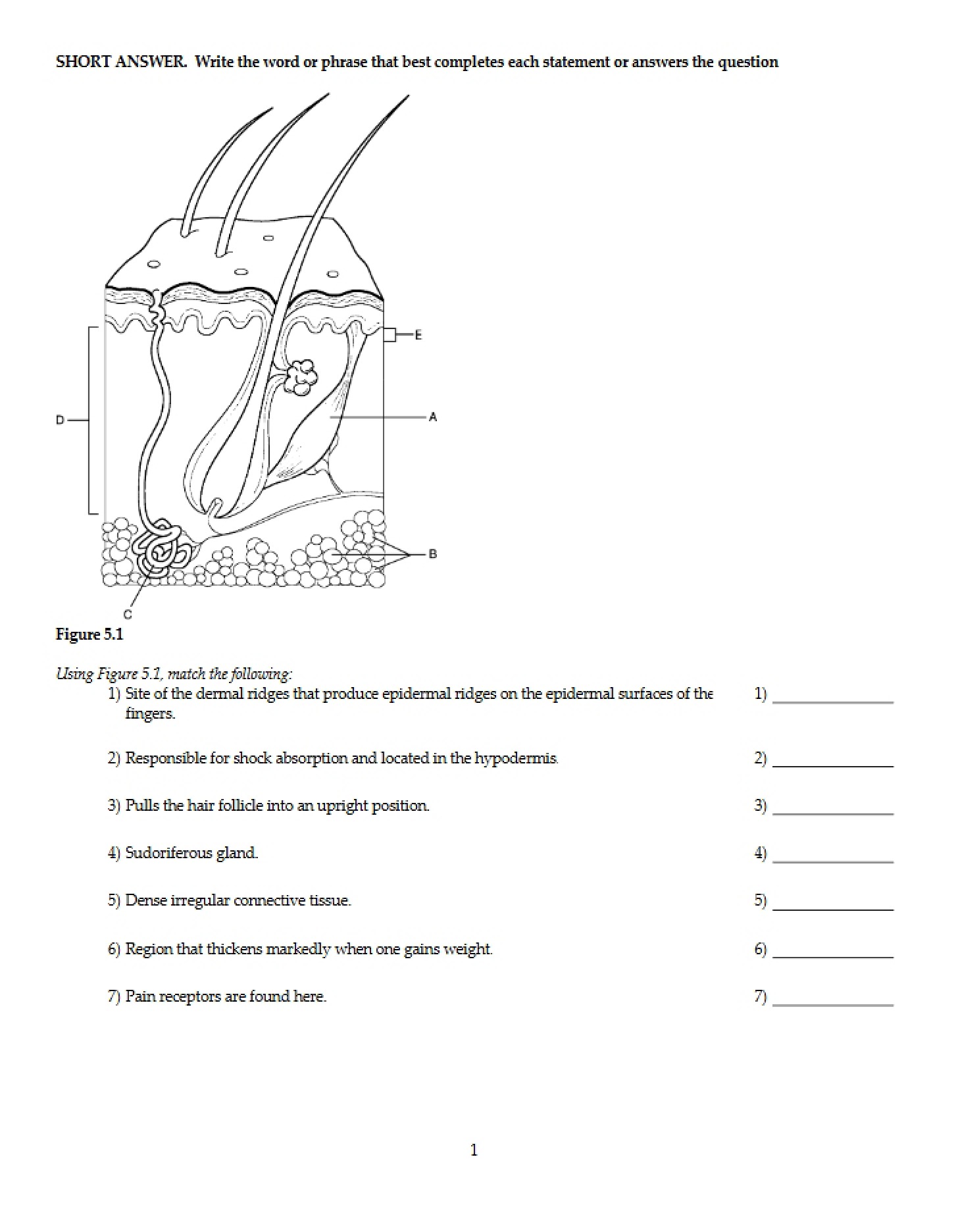
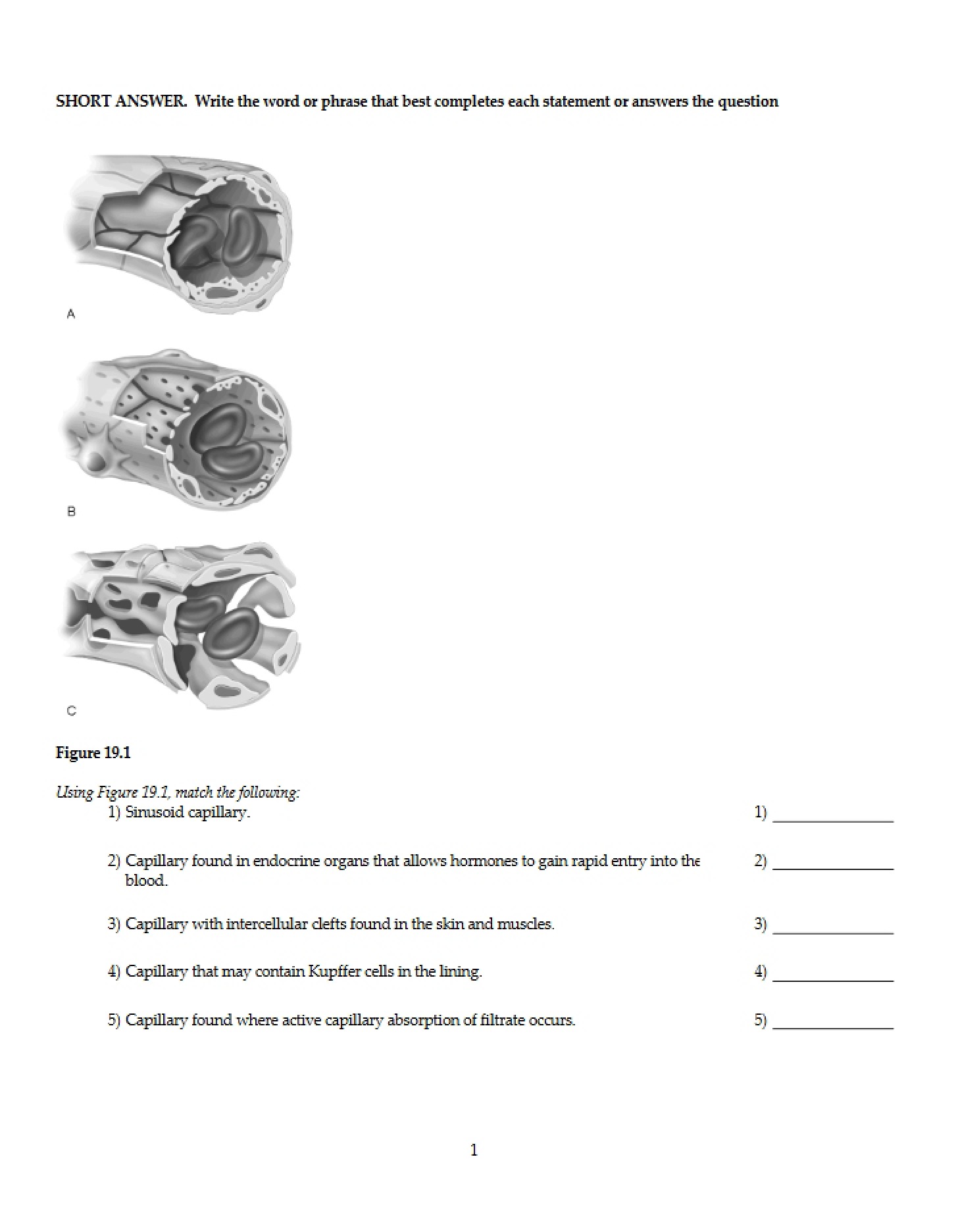
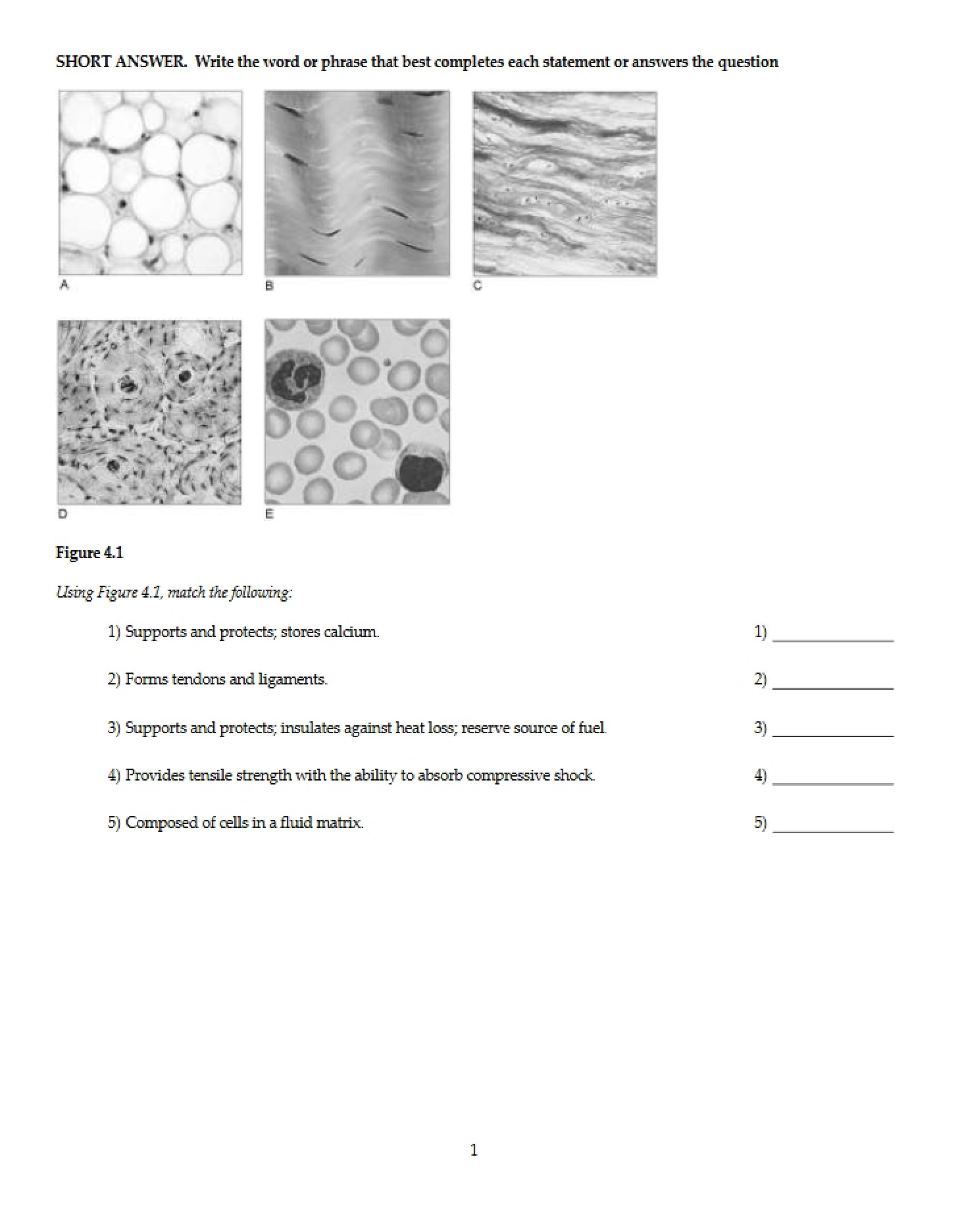
This document is designed as a comprehensive assessment tool focusing on the lymphatic system and its interplay with other bodily systems. It’s structured as a practice test, utilizing a variety of question formats commonly found in university-level Anatomy and Physiology coursework. The material covered centers around key concepts within the immune and circulatory systems, specifically how they relate to fluid balance, immune function, and anatomical structures. It appears to be geared towards evaluating understanding of Chapter Twenty from the course materials.
Why This Document Matters
Students enrolled in Anatomy-Physiology I (EXSC 223) at the University of South Carolina will find this resource particularly valuable. It’s ideal for self-testing and identifying areas where further study is needed. Utilizing this type of practice before quizzes or exams can significantly improve comprehension and retention of complex physiological processes. It’s best used *after* reviewing lecture notes and assigned readings to gauge your current level of understanding. This is a great way to prepare for high-stakes assessments.
Common Limitations or Challenges
This resource is a practice assessment and does *not* include detailed explanations of the concepts tested. It’s designed to pinpoint knowledge gaps, not to fill them. It assumes a foundational understanding of anatomical terminology and physiological principles. Furthermore, it does not offer new content or serve as a substitute for attending lectures or completing assigned readings. Access to the full document is required to review correct answers and detailed explanations.
What This Document Provides
* A variety of question types, including matching, true/false, and multiple-choice questions.
* Focus on key anatomical structures of the lymphatic system (nodes, ducts, organs).
* Assessment of understanding regarding the functions of lymphatic organs (spleen, thymus, tonsils, etc.).
* Evaluation of knowledge concerning the role of the lymphatic system in fluid balance and immunity.
* Questions relating to the flow of lymph and its connection to the circulatory system.
* Practice identifying relationships between lymphatic structures and their associated functions.