What This Document Is
This material is designed as a comprehensive review and assessment tool focusing on foundational principles within Anatomy & Physiology I (EXSC 223) at the University of South Carolina. Specifically, this installment – Chapter Two – delves into the essential building blocks of life: the chemical components of biological systems. It’s structured as a practice test, utilizing a variety of question formats to reinforce understanding of core concepts. Expect a rigorous examination of molecular structures and interactions.
Why This Document Matters
This resource is invaluable for students preparing for quizzes, exams, or needing a strong refresher on the chemical basis of life. It’s particularly helpful for identifying knowledge gaps and solidifying understanding *before* tackling more complex physiological systems. Students who benefit most will be those actively engaged in learning the fundamental chemistry required for success in Anatomy & Physiology. Utilizing this material alongside your course lectures and textbook will maximize comprehension and retention.
Common Limitations or Challenges
This chapter review does not provide original lecture content or detailed explanations of concepts. It assumes a base level of understanding from coursework and reading. It is a *test* of knowledge, not a teaching tool. While it covers a broad range of topics within the chemical foundations of life, it doesn’t encompass the entirety of the course material, nor does it offer in-depth exploration of advanced chemical principles. Access to the full chapter is required for complete understanding.
What This Document Provides
* A series of short answer questions designed to test recall of key terminology.
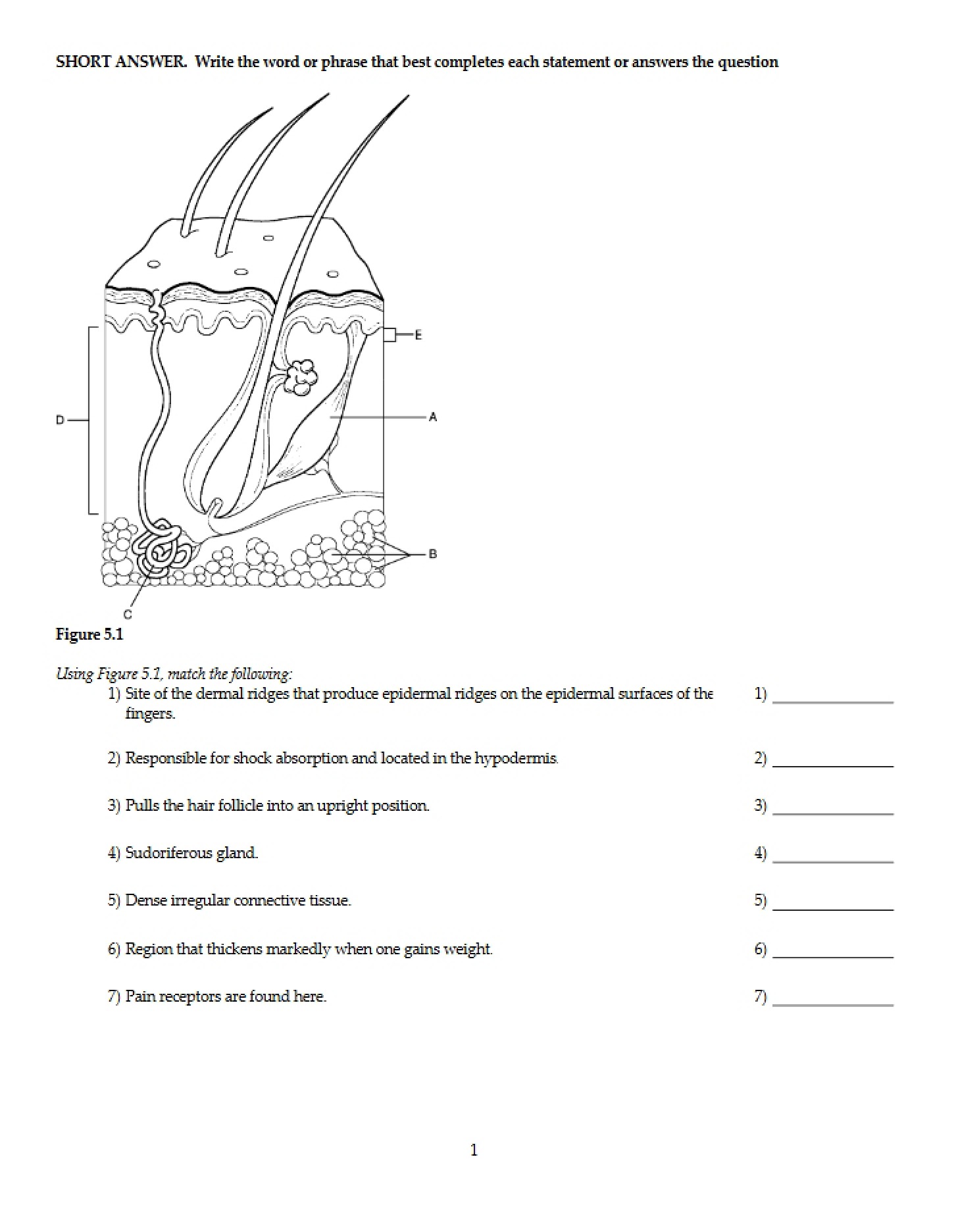
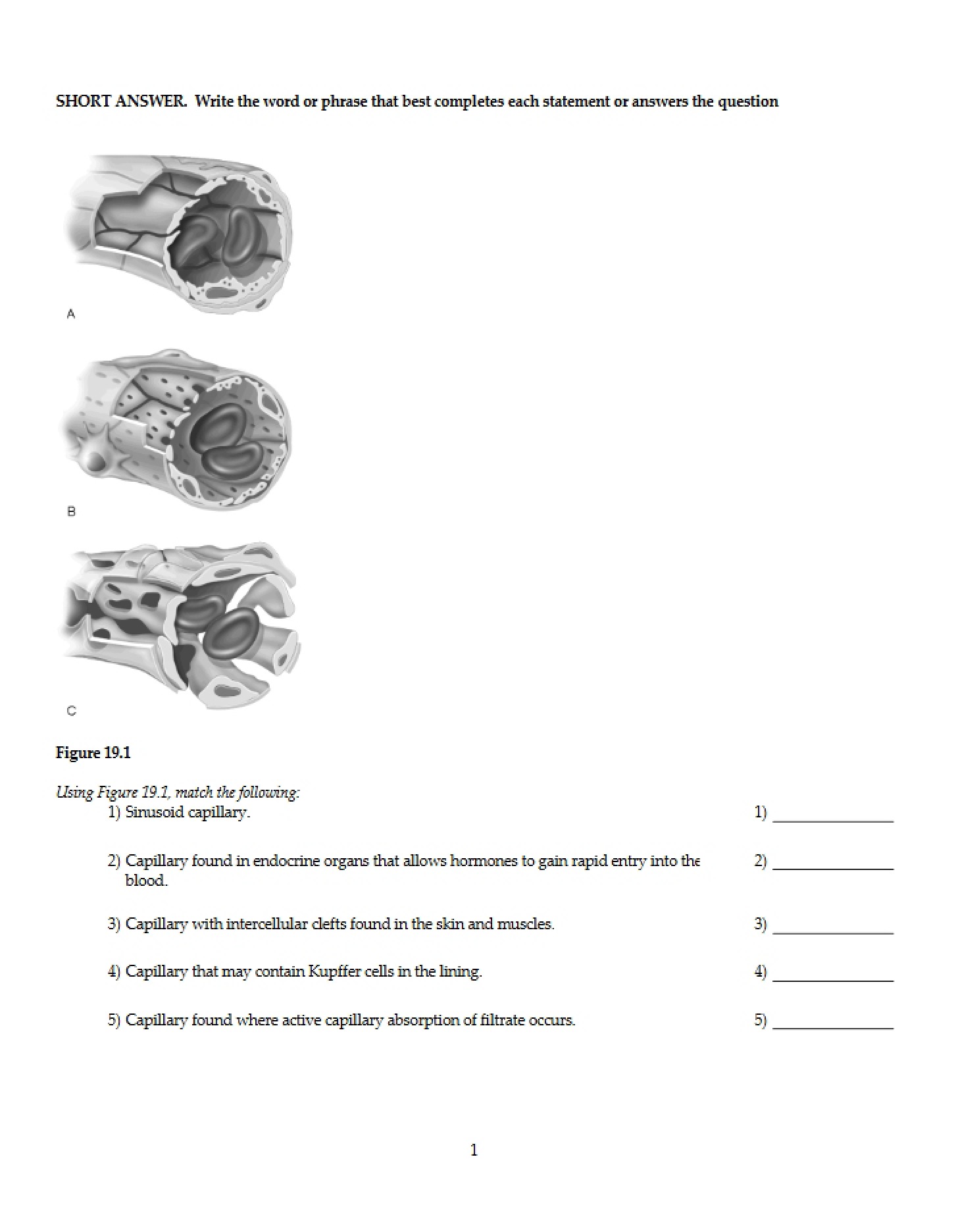
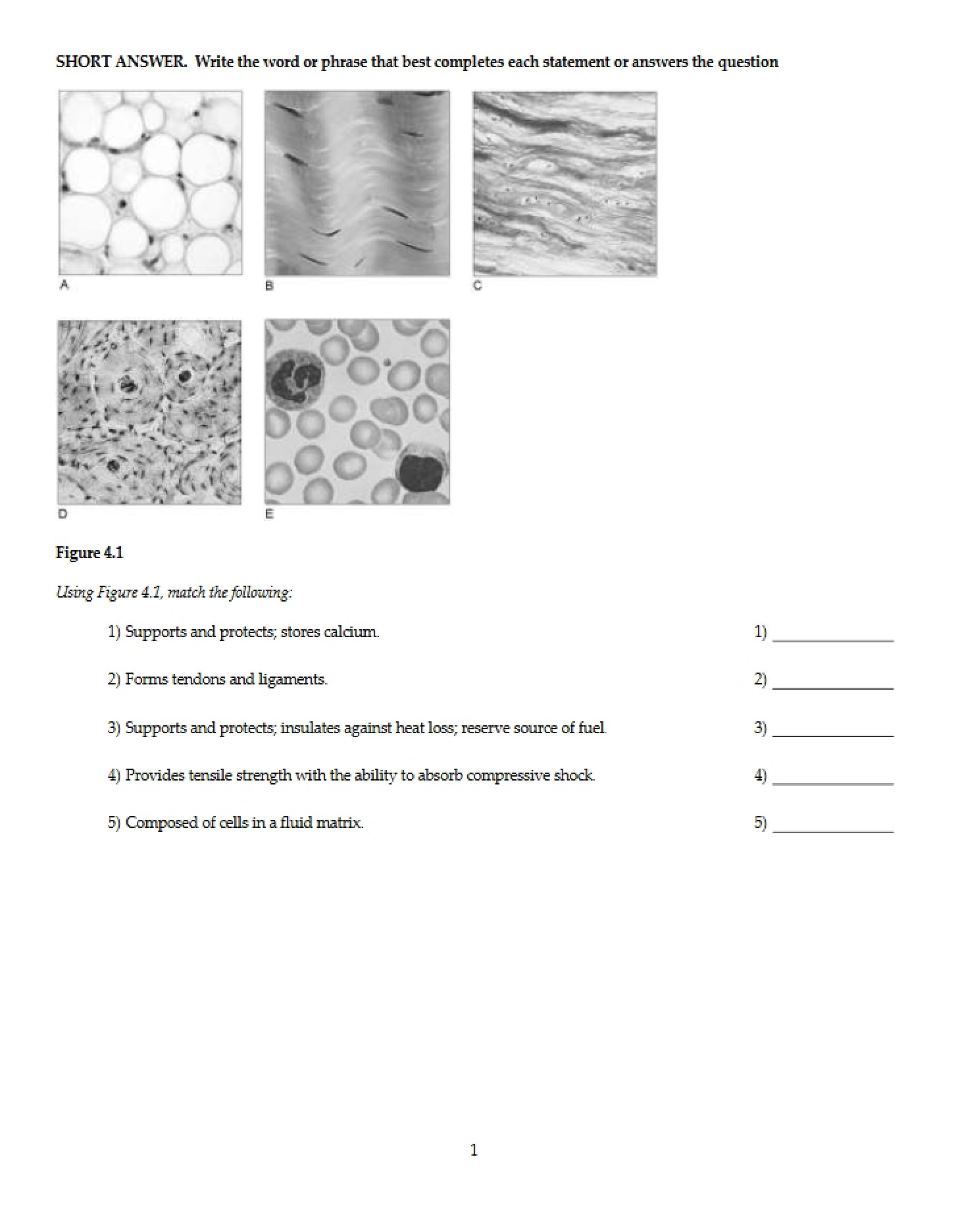
* Matching exercises linking structural representations to their corresponding biomolecules.
* Questions focused on different types of chemical bonds and their characteristics.
* Identification and categorization of fundamental particles (atoms, molecules, ions).
* Distinction between elements, compounds, and mixtures.
* Assessment of understanding regarding the properties of matter, weight, and mass.
* True/False statements evaluating comprehension of chemical principles and biological relevance.
* Questions relating to energy forms and their roles in biological processes.
* Categorization of different mixture types based on their properties.