What This Document Is
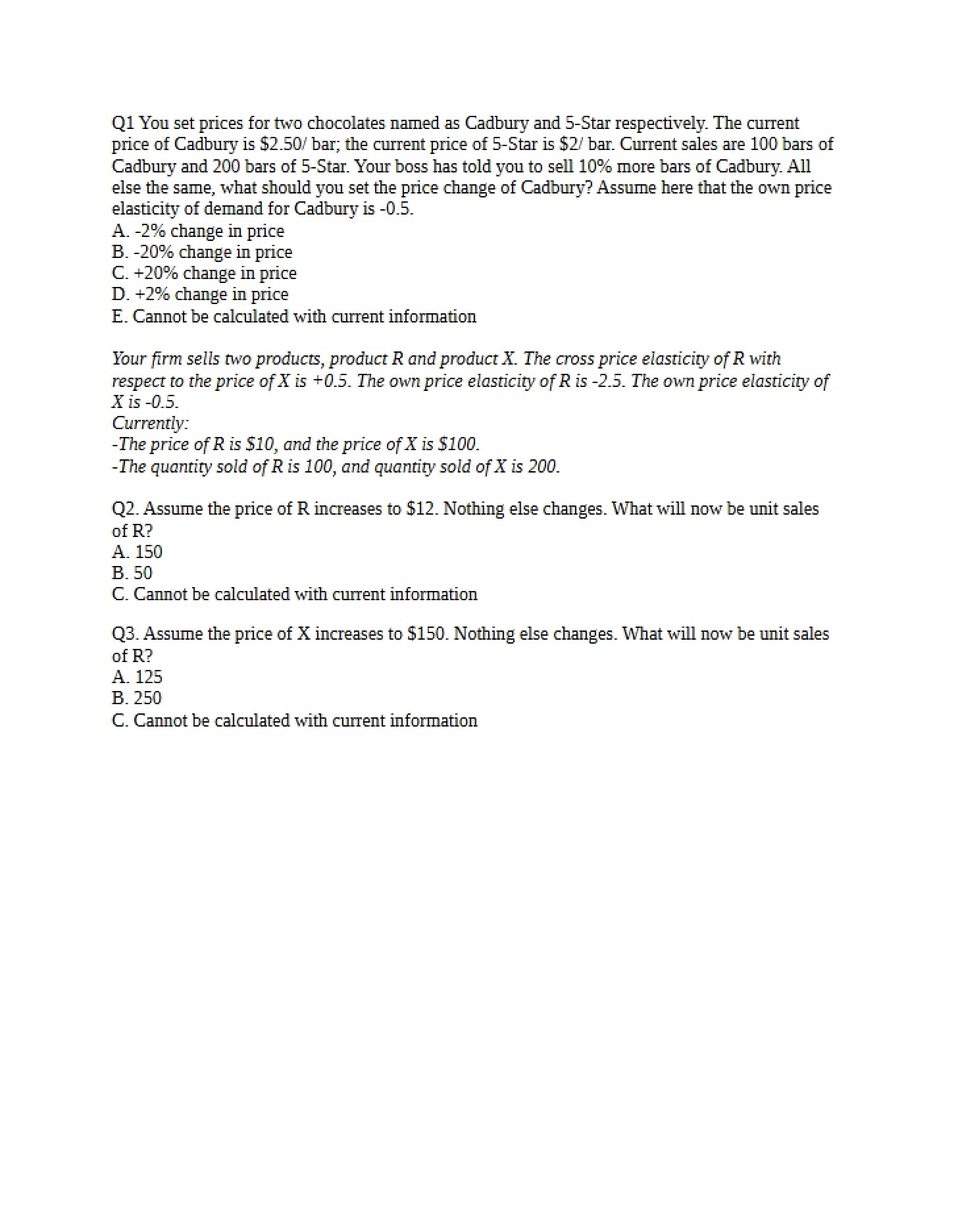
This resource is a focused compilation of practice questions covering core principles within Consumer Behavior (MKTG 351) at the University of South Carolina. Specifically, it concentrates on foundational concepts explored in Chapters 1 through 5 of the course materials. It’s designed to test your understanding of the initial frameworks used to analyze how and why consumers make decisions. The format mimics typical assessment styles, offering a valuable opportunity to self-evaluate comprehension of key ideas.
Why This Document Matters
This compilation is ideal for students actively enrolled in MKTG 351, or those studying consumer behavior as part of a broader marketing curriculum. It’s particularly useful when preparing for quizzes, midterms, or the final exam. Working through these questions will help identify areas where further study is needed and reinforce your grasp of fundamental concepts *before* they appear on a graded assessment. It’s also a strong tool for students who prefer active recall and practice-based learning.
Common Limitations or Challenges
This resource is designed as a practice and review tool, and does not include detailed explanations or worked solutions. It assumes a base level of familiarity with the course material. It does not replace the need to attend lectures, complete assigned readings, or engage with other course resources. Furthermore, while representative of the course content, it is not a comprehensive list of *every* potential question that could appear on an exam.
What This Document Provides
* A series of multiple-choice questions covering topics such as attention, perception, learning, and involvement.
* Questions designed to assess understanding of cognitive and affective processes in consumer decision-making.
* Practice applying theoretical frameworks to real-world marketing scenarios.
* Questions relating to the role of knowledge, memory, and comprehension in consumer behavior.
* A focused review of concepts related to consumer feelings, emotions, and the use of metaphors in marketing communication.