What This Document Is
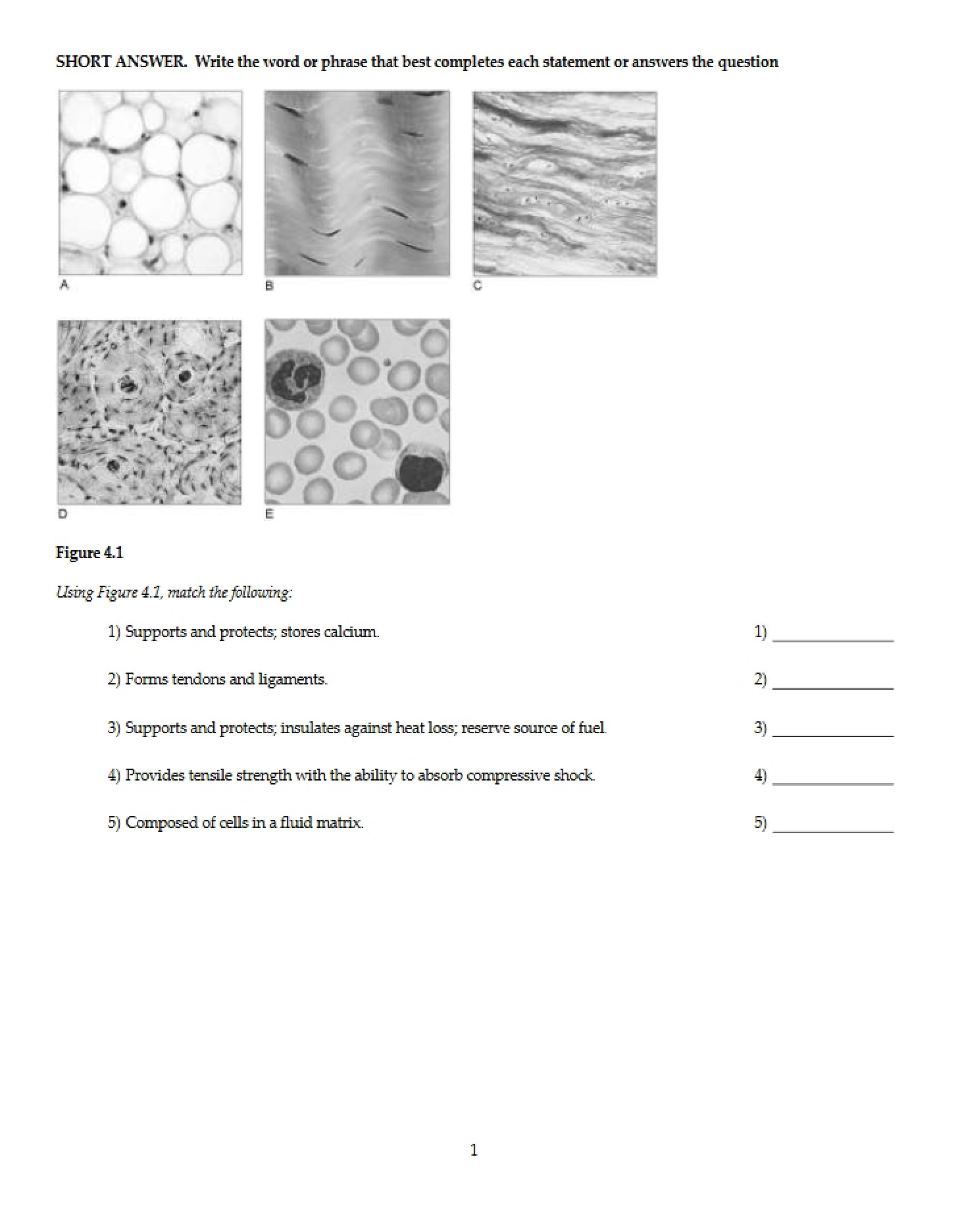
This document comprises foundational material for an Anatomy and Physiology I course, specifically covering the initial chapters – One through Four. It’s a comprehensive exploration of the building blocks of the human body, starting with the most basic chemical levels and progressing through increasingly complex organizational levels – cells, tissues, organs, and ultimately, complete organ systems. The material introduces core anatomical terminology and establishes the critical relationship between structure and function within a living organism. It also lays the groundwork for understanding how the body maintains internal stability.
Why This Document Matters
This resource is invaluable for students beginning their journey into the fascinating world of human anatomy and physiology. It’s particularly helpful for those who benefit from a structured, chapter-by-chapter approach to learning these fundamental concepts. Use this as a primary study aid when first encountering these topics, as preparation for more advanced coursework, or as a reference to solidify your understanding of core principles. Students in allied health fields, such as exercise science, nursing, or pre-med, will find this material particularly relevant.
Common Limitations or Challenges
While this document provides a robust overview of foundational anatomy and physiology, it does not include detailed, step-by-step instructions for dissection or laboratory procedures. It also doesn’t offer practice questions or assessments to test your knowledge – those are typically found in separate study materials. This resource focuses on *understanding* the principles, not necessarily *applying* them in a practical setting. Access to the full document is required for in-depth explanations and specific examples.
What This Document Provides
* An overview of the hierarchical levels of structural organization in the human body.
* Definitions and distinctions between key anatomical subdisciplines (e.g., gross anatomy, microscopic anatomy).
* An introduction to the essential life processes exhibited by living organisms.
* A foundational understanding of the concept of homeostasis and its importance to health.
* An explanation of feedback systems – both negative and positive – and their roles in maintaining internal balance.
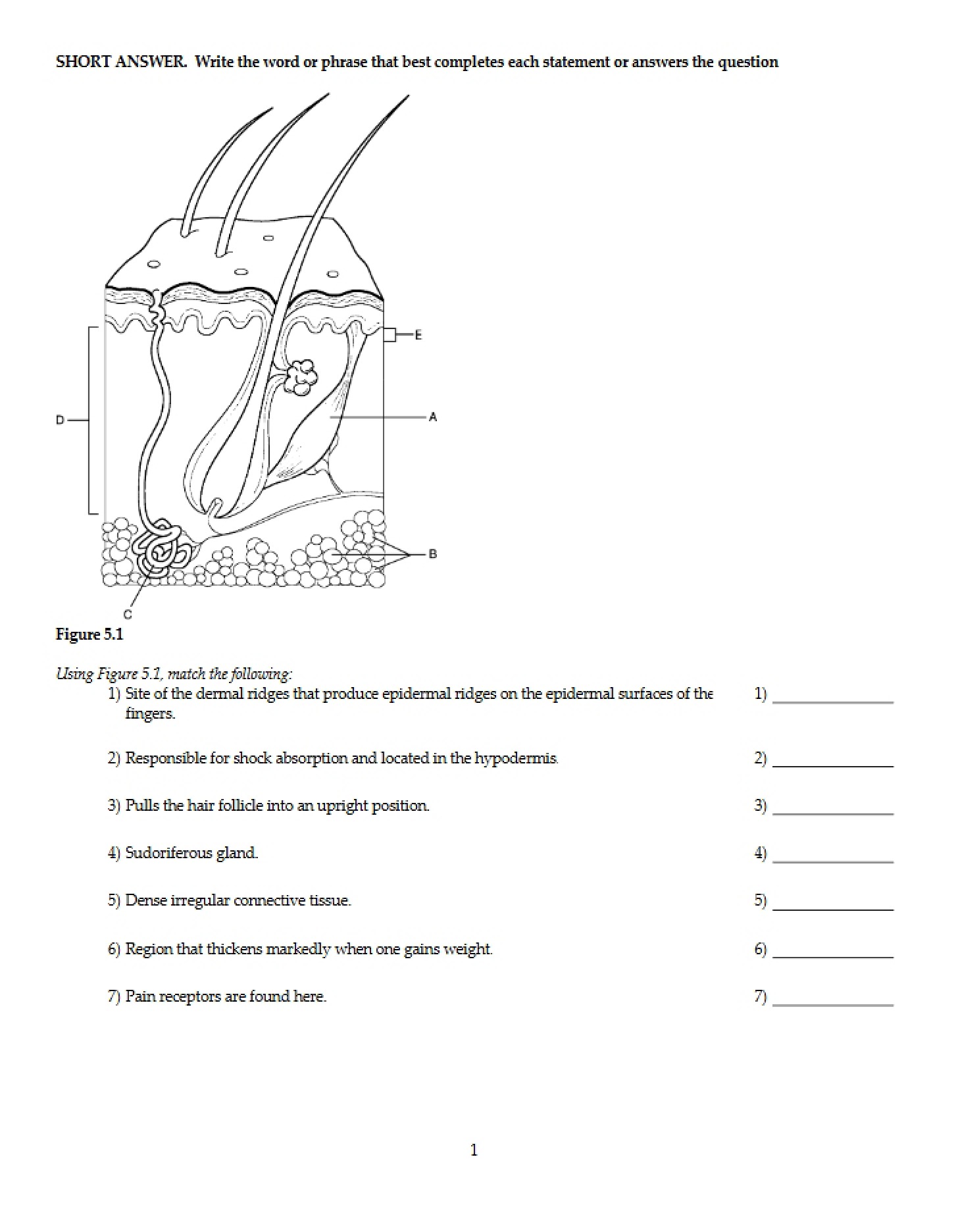
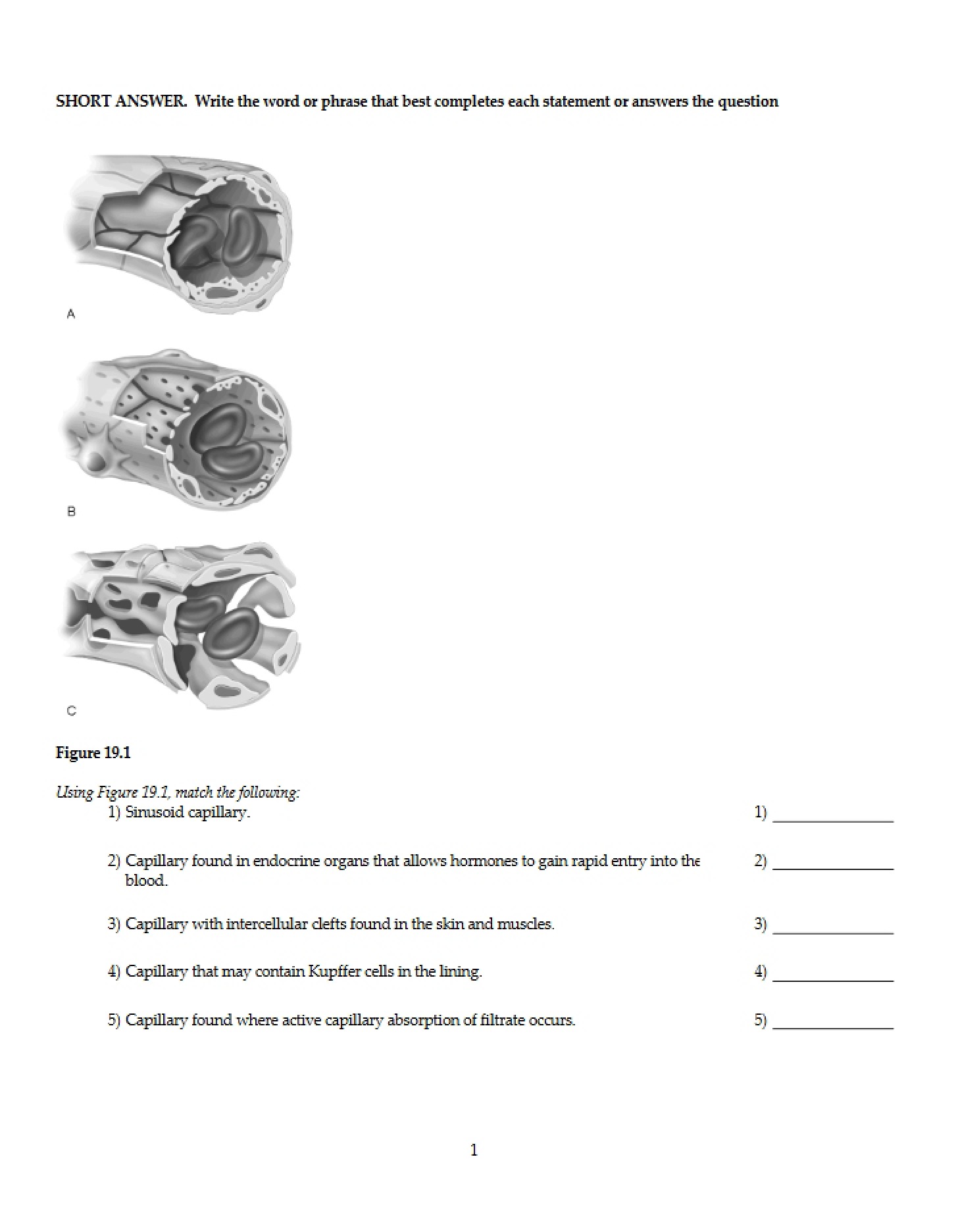
* An initial exploration of major organ systems and their general functions.
* Discussion of the principle of complementarity between structure and function.