What This Document Is
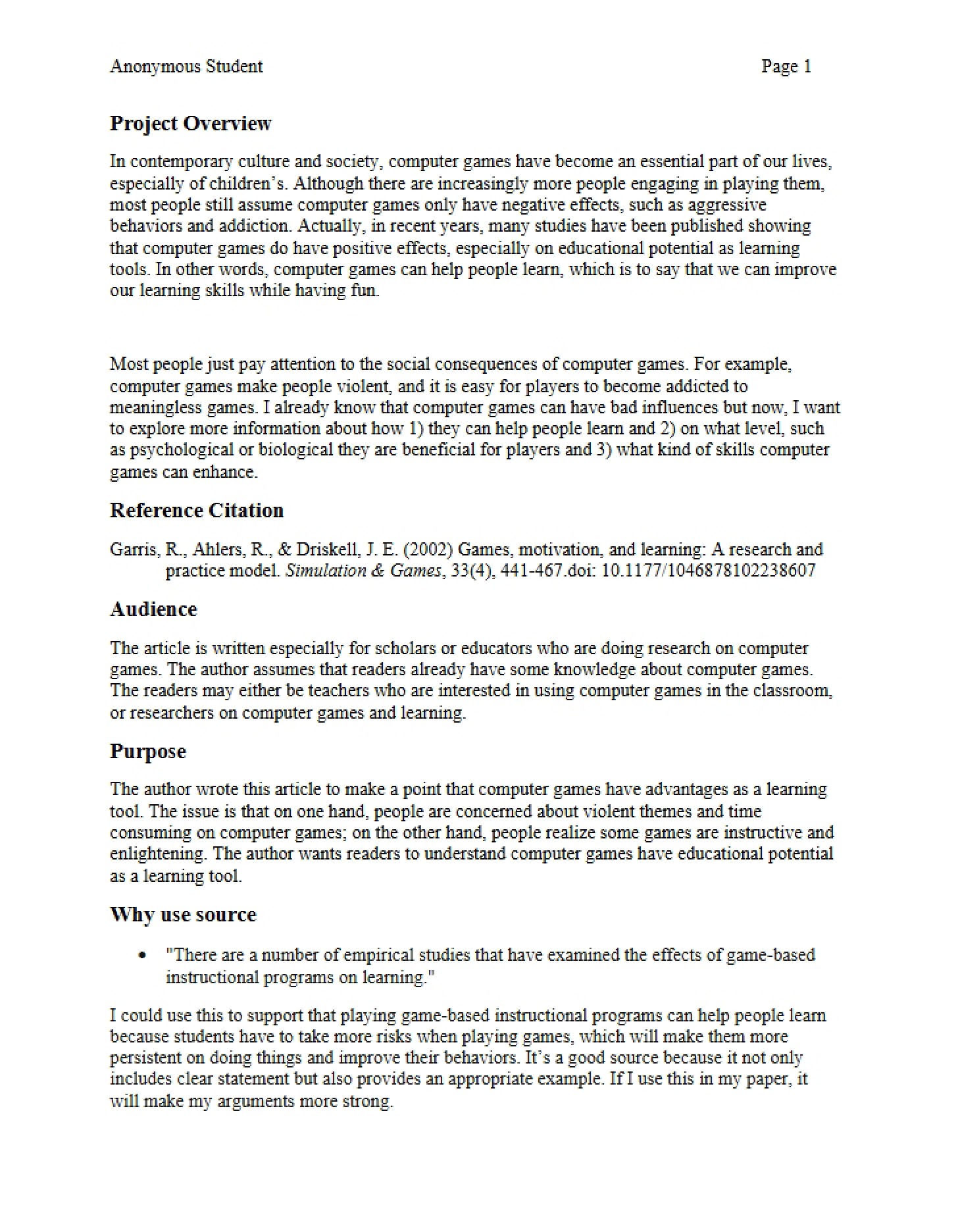
This resource is designed to support students navigating the core skills of academic writing – specifically, effective summarization, paraphrasing, and citation. It’s built around collaborative learning activities and focuses on applying these techniques to real-world texts. The material centers on analyzing and responding to existing essays, preparing students for more complex writing tasks within a university-level composition course. It’s part of a larger course module focused on integrating research and source material.
Why This Document Matters
Students enrolled in introductory university writing courses, like WRIT 1301 at the University of Minnesota Twin Cities, will find this particularly helpful. It’s ideal for use when you’re actively working on assignments that require you to synthesize information from multiple sources and present it in your own words. This resource is most beneficial when you’re grappling with understanding *how* to accurately represent another author’s ideas while avoiding plagiarism and building a strong argument. It’s also valuable when you need to practice proper methods for acknowledging sources.
Common Limitations or Challenges
This resource doesn’t offer pre-written summaries or paraphrases as models. Instead, it guides you through the *process* of creating them. It won’t provide complete citation examples, but rather directs you to utilize a specific style guide (the Hacker manual) to build those citations independently. It also assumes a foundational understanding of essay structure and rhetorical analysis. This isn’t a substitute for direct instruction or personalized feedback on your writing.
What This Document Provides
* A framework for collaborative discussion around authorial intent and target audiences.
* Guidance on breaking down complex texts into manageable summaries.
* Techniques for identifying key ideas and formulating paraphrases.
* A focus on the importance of accurate and ethical source integration.
* Specific source materials (“Guns and Grief” and “Why One Peaceful Woman Carries a Pistol”) for practice with citation creation.
* Instructions for building a reference list, including the integration of an additional, self-selected source.