What This Document Is
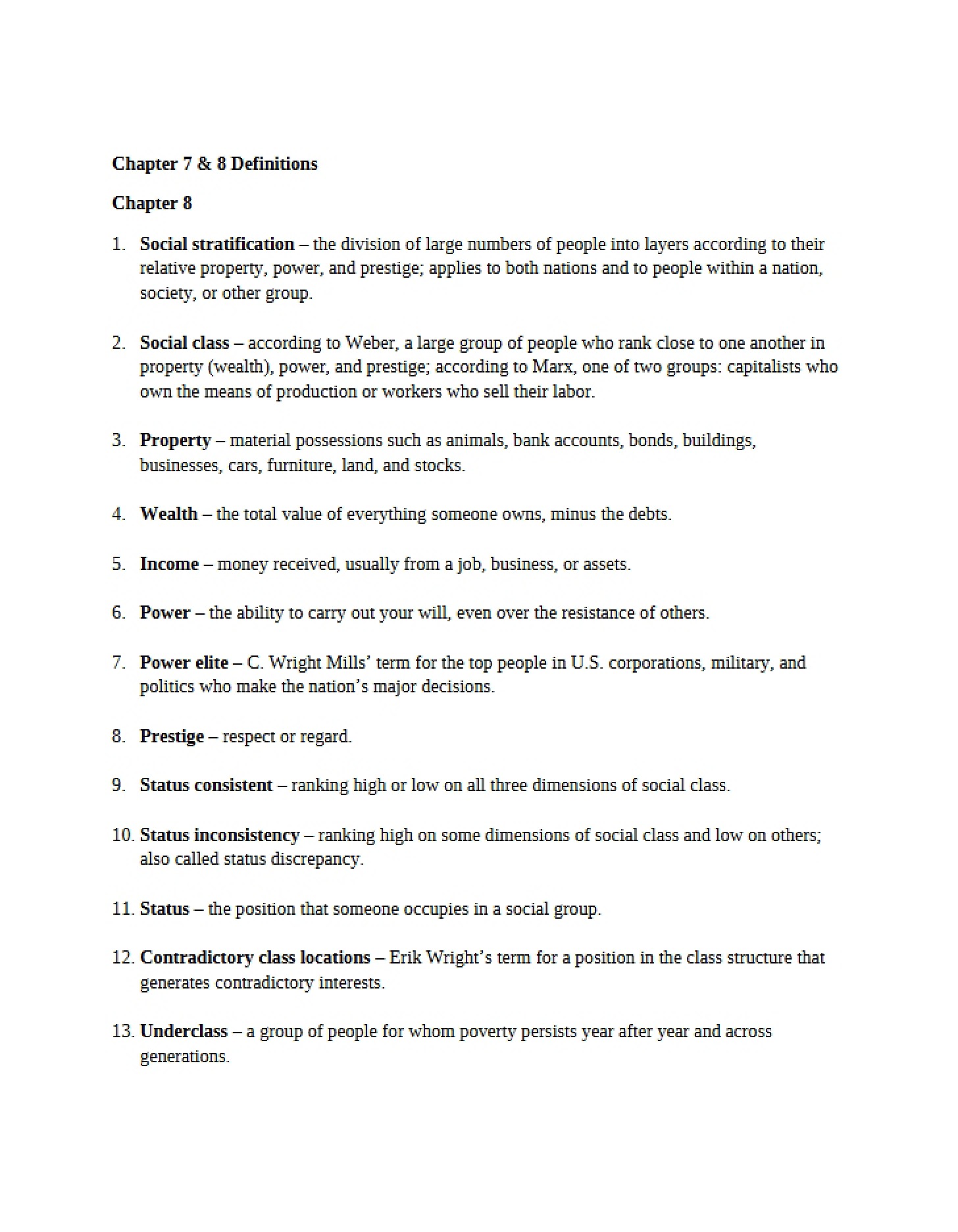
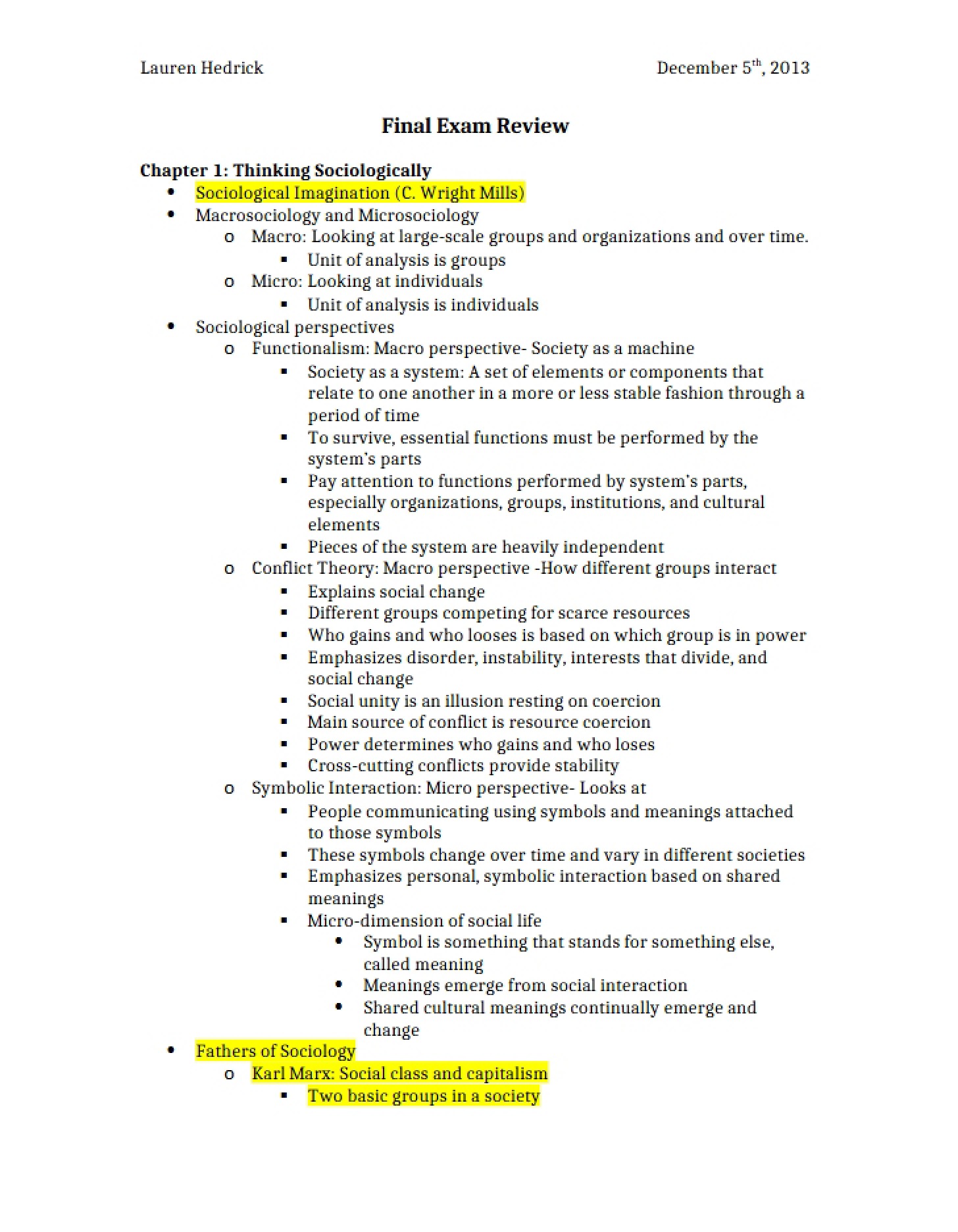
This study guide provides a comprehensive overview of the concept of social class within the field of sociology. It delves into various theoretical frameworks used to understand how societies are stratified and how individuals are positioned within those hierarchies. The material explores historical and contemporary perspectives on class, examining the factors that contribute to social inequality. It’s designed for students seeking a deeper understanding of this fundamental sociological topic.
Why This Document Matters
This resource is ideal for students enrolled in introductory sociology courses, particularly those covering social stratification, inequality, or class structure. It’s beneficial for preparing for exams, writing essays, or simply gaining a more nuanced understanding of the social forces that shape our lives. Students grappling with complex sociological theories will find this guide particularly helpful in clarifying key concepts and their applications to real-world scenarios. It’s best used *alongside* course lectures and assigned readings to reinforce learning.
Common Limitations or Challenges
This guide focuses on theoretical approaches and foundational concepts. It does not offer specific case studies or detailed statistical analyses of current class demographics. While it touches upon the complexities of identifying social class, it doesn’t provide a definitive methodology for personal class assessment. Furthermore, it presents a range of perspectives; it does not advocate for a single, conclusive definition of social class.
What This Document Provides
* An exploration of classical theories regarding social class, including the work of key sociological thinkers.
* A discussion of modern approaches to understanding social class, moving beyond purely economic definitions.
* An overview of the different dimensions used to evaluate and define social class – economic, political, and cultural.
* A breakdown of the challenges associated with objectively identifying and categorizing social class.
* Consideration of the dynamics of social class at both the highest and lowest ends of the social spectrum.