What This Document Is
This document comprises lecture materials from Week 5 of AME 302: Dynamic Systems, offered at the University of Southern California. It focuses on foundational concepts within the field of mechanical vibrations and system dynamics, building upon previously established principles. The content appears to delve into the mathematical modeling and analysis of dynamic systems, likely utilizing tools from linear algebra and differential equations. Expect to encounter representations of forces, displacements, and relationships between system components. The notes suggest a strong emphasis on understanding system behavior through analytical methods.
Why This Document Matters
These lecture notes are invaluable for students currently enrolled in AME 302 seeking to reinforce their understanding of core dynamic systems principles. They are particularly helpful for reviewing material after class, preparing for quizzes and exams, and solidifying concepts before tackling more complex problem sets. Students who benefit most will be those actively engaged in learning about mechanical vibrations, control systems, or related engineering disciplines. Access to these notes can significantly aid in grasping the theoretical underpinnings necessary for successful application of dynamic systems analysis.
Common Limitations or Challenges
These notes represent a record of lecture content and are not a substitute for active class participation or assigned readings. They do not include worked examples or detailed step-by-step solutions to practice problems. The material assumes a foundational understanding of calculus, differential equations, and linear algebra. Furthermore, the notes are a snapshot of the lecture and may not contain every nuance or clarification discussed in the classroom setting. They are designed to *supplement* – not replace – a comprehensive study approach.
What This Document Provides
* Key relationships between forces, displacements, and system parameters.
* Representations of dynamic system behavior using mathematical notation.
* Discussion of concepts related to damping and its influence on system response.
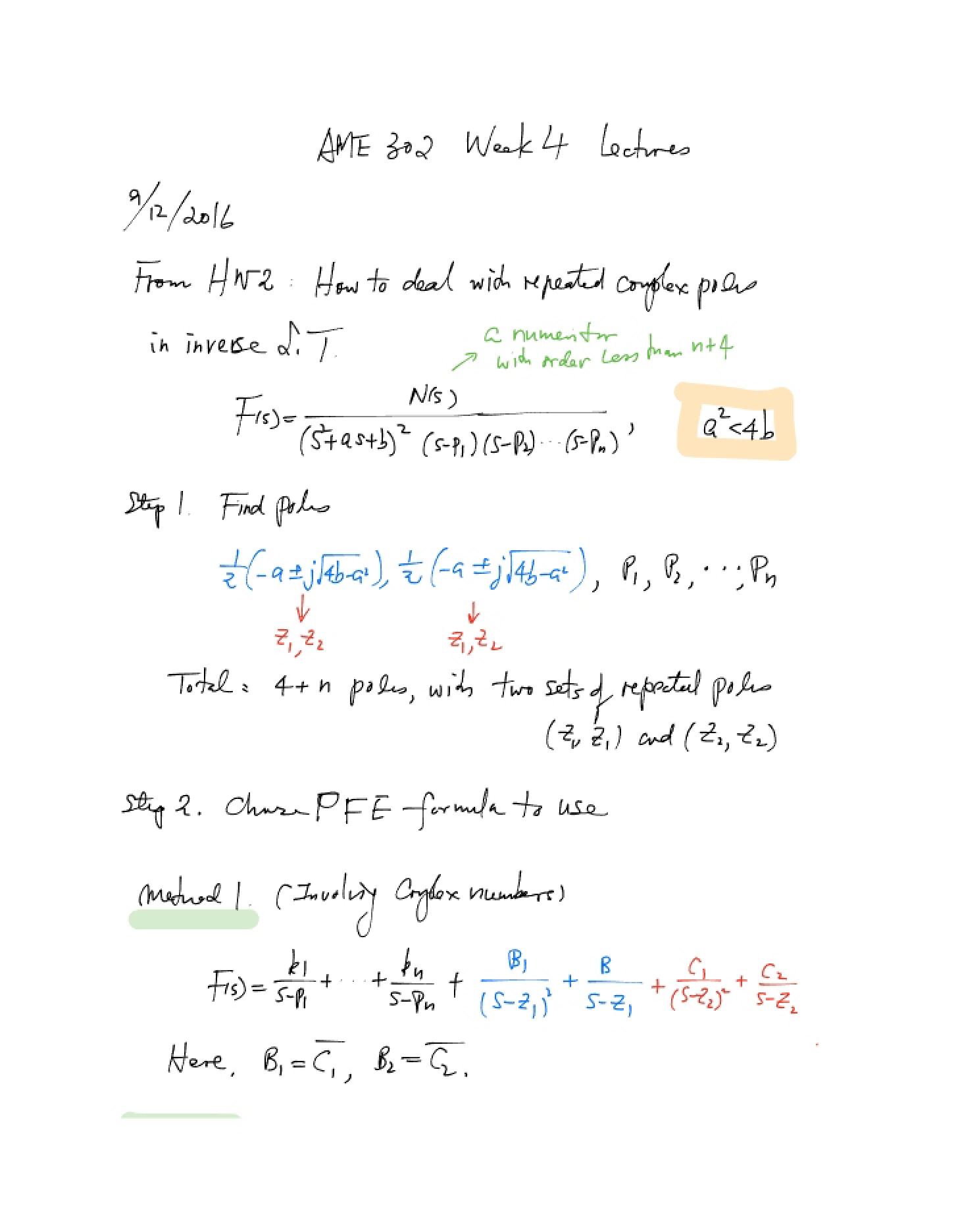
* Exploration of techniques for analyzing system characteristics.
* References to relevant tools and methodologies for dynamic systems modeling.
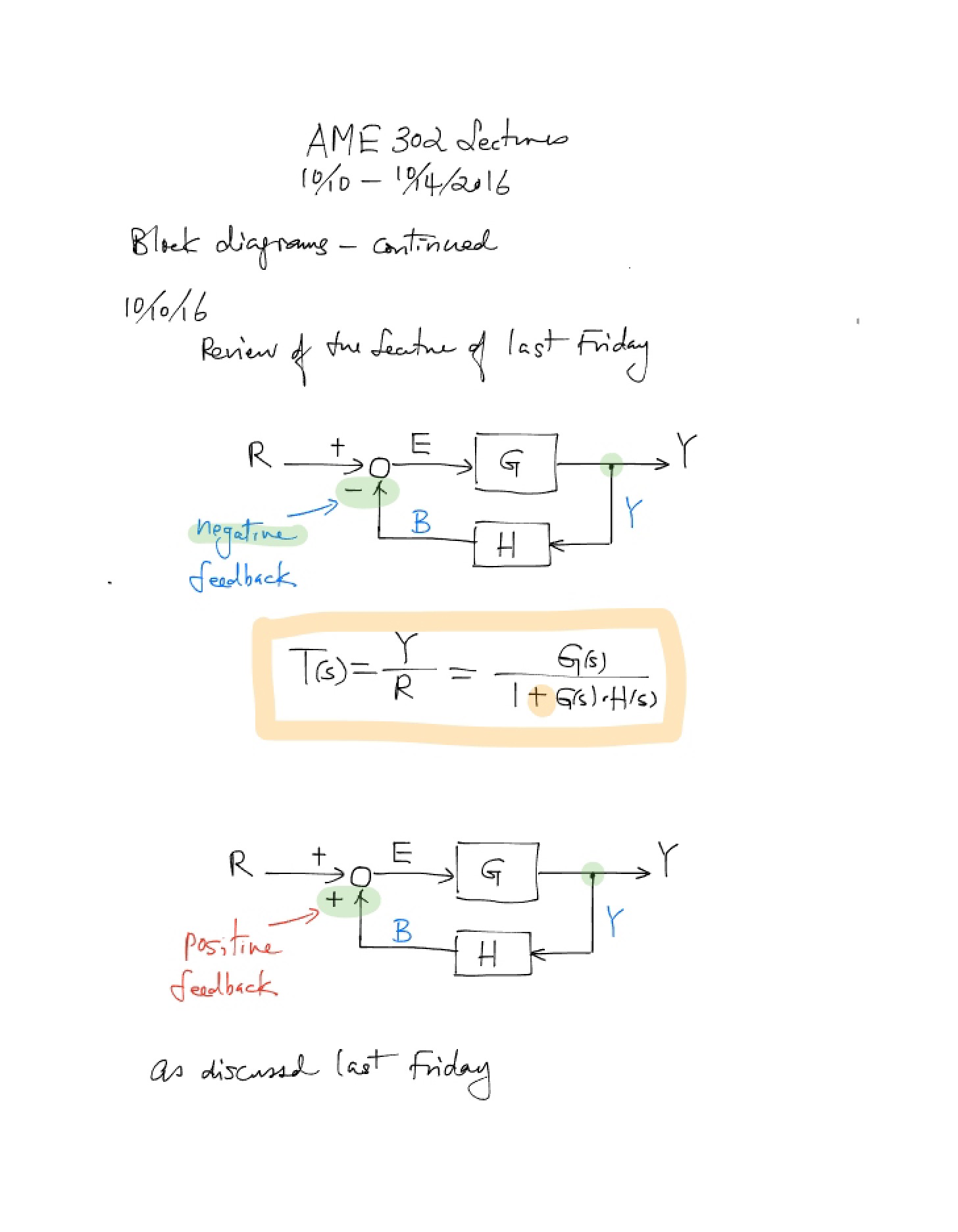
* Potential connections to transfer function analysis and block diagram representations.
* Formulas and notations related to system equations of motion.