What This Document Is
This document comprises detailed class notes for Introduction to Speech-Language Pathology (SPHHRNG 4520) at The Ohio State University. It’s a comprehensive resource designed to support understanding of the foundational principles guiding the diagnostic process in communication disorders. These notes delve into the theoretical frameworks used by Speech-Language Pathologists when evaluating and understanding the complexities of human communication. It’s intended to be used as a study aid alongside course lectures and readings.
Why This Document Matters
This resource is particularly valuable for students enrolled in introductory Speech-Language Pathology courses, or those preparing for related fields like audiology or special education. It’s most helpful when studying the core concepts of diagnosis, assessment, and the various models that inform clinical practice. It will be beneficial when preparing for discussions, quizzes, and exams related to the theoretical underpinnings of the profession. Accessing the full content will provide a deeper understanding of the complexities involved in identifying and addressing communication challenges.
Topics Covered
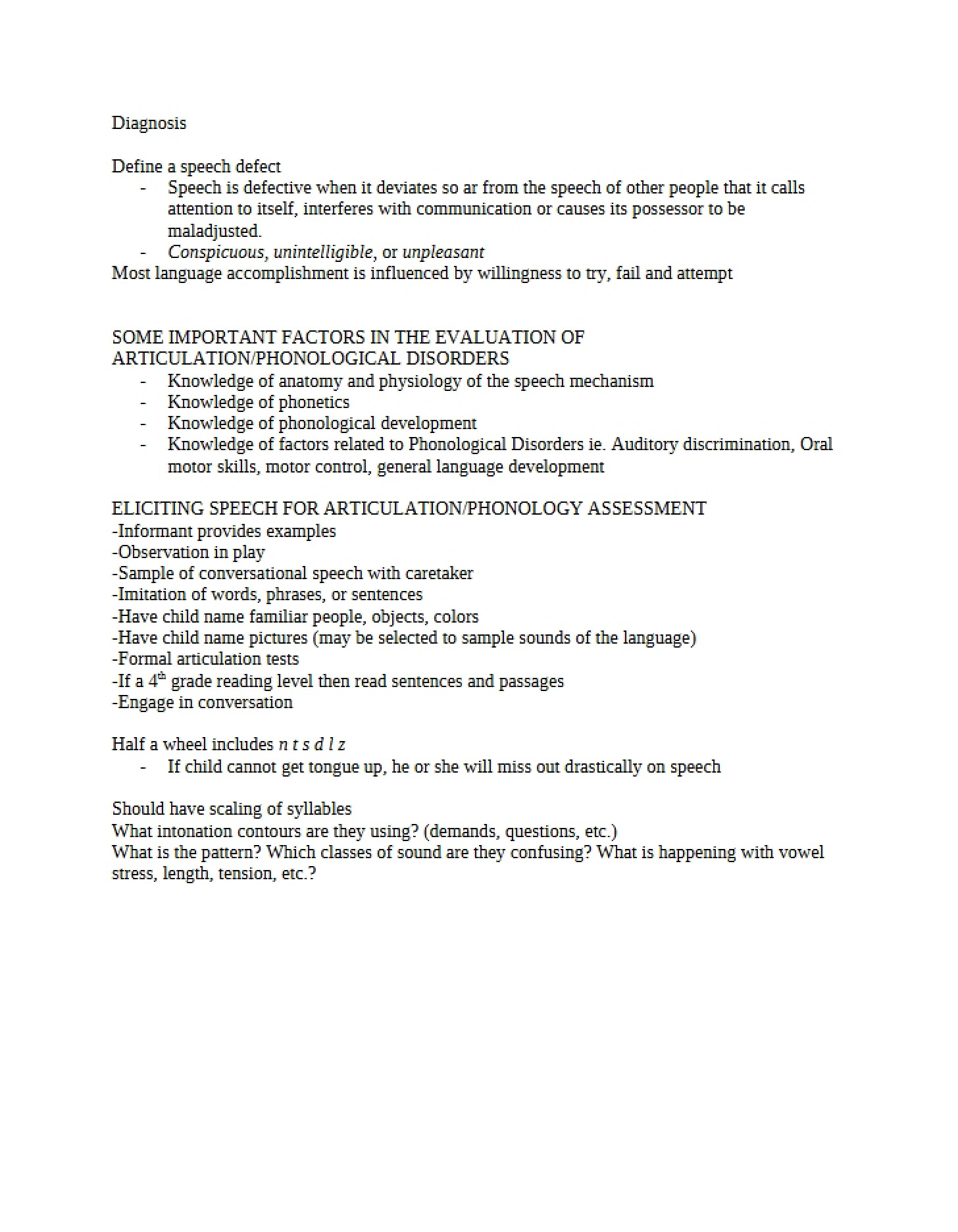
* Factors influencing the development and persistence of communication disorders.
* Different theoretical models used in the diagnostic process (including medical and systemic approaches).
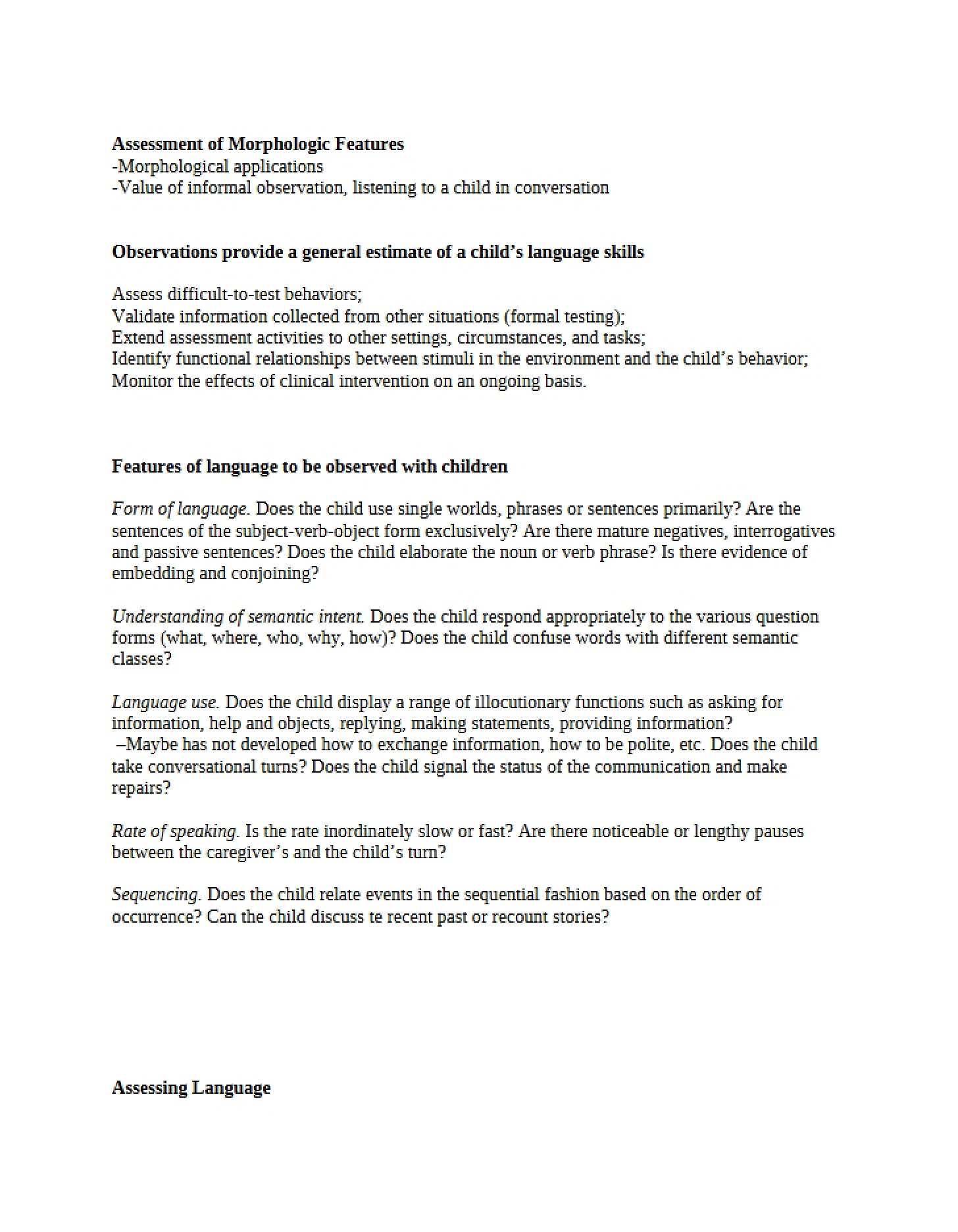
* Key questions guiding the evaluation of communication disorders.
* The importance of considering client, family, and environmental factors.
* Understanding the role of prognosis and treatment planning.
* Ethical considerations in diagnostic practice.
* The interplay between diagnosis and intervention.
What This Document Provides
* An overview of various perspectives on the diagnostic process.
* A framework for systematically approaching the evaluation of communication disorders.
* Insight into the factors clinicians consider when determining the nature and severity of a communication challenge.
* A foundation for understanding the complexities of clinical decision-making.
* A structured approach to considering the broader context of a client’s communication difficulties.