What This Document Is
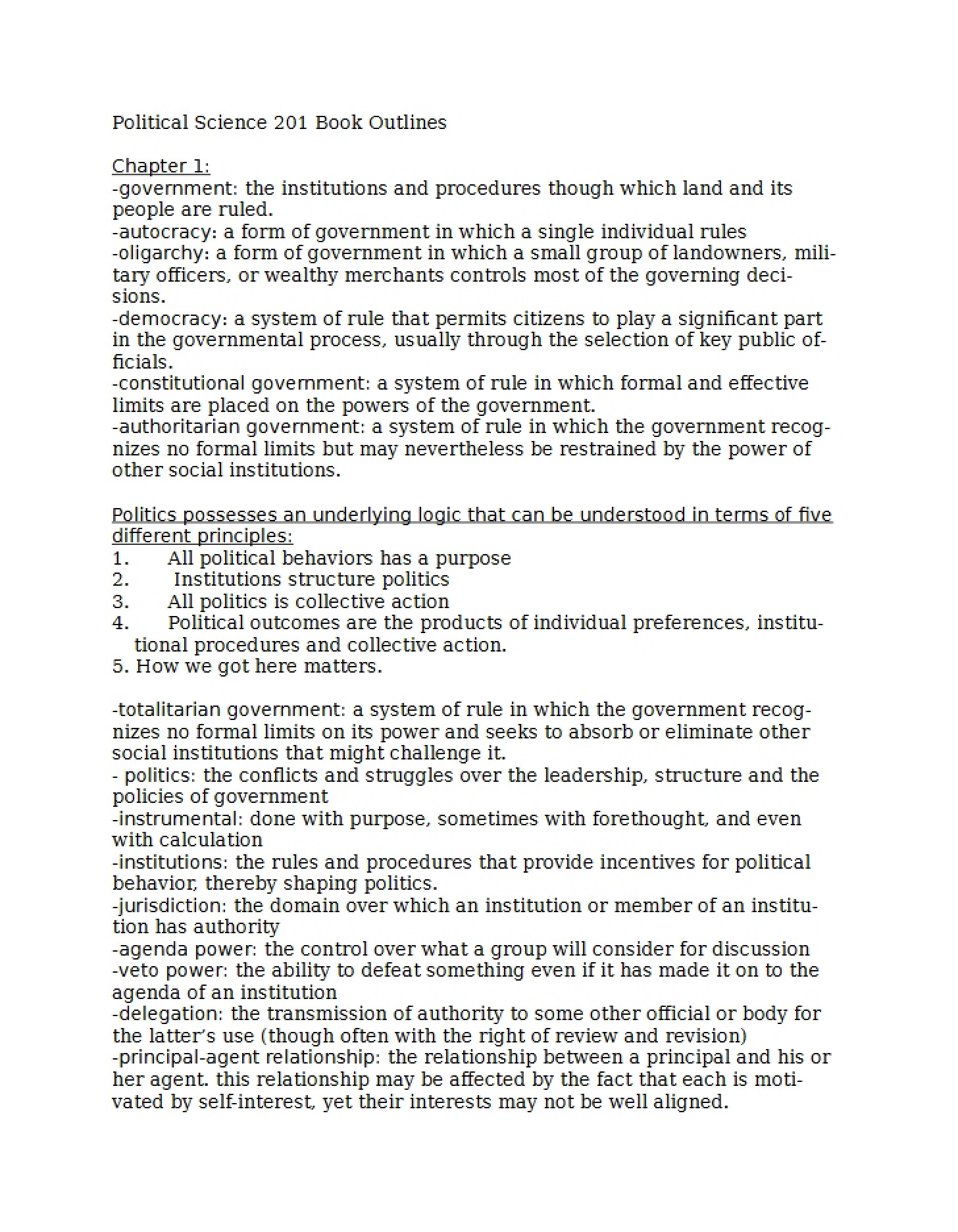
These are detailed class notes from POLI 201, American National Government, at the University of South Carolina, focusing on foundational principles used to analyze political systems. The notes systematically explore core concepts essential for understanding how and why political processes unfold. They delve into the theoretical underpinnings of political behavior and the structures that shape it, offering a framework for interpreting the complexities of American government. This resource is designed to complement lectures and textbook readings, providing a concentrated overview of key ideas.
Why This Document Matters
This resource is invaluable for students seeking a deeper grasp of the fundamental principles driving American politics. It’s particularly helpful for those who benefit from a structured, note-based approach to learning. Use these notes to prepare for class discussions, solidify your understanding of complex theories, or build a strong foundation for more advanced coursework in political science. Students who struggle with abstract concepts or need a concise reference point will find these notes especially useful. They are best utilized *alongside* assigned readings and active participation in course activities.
Common Limitations or Challenges
These notes represent a specific interpretation of course material and should not be considered a substitute for attending lectures or completing assigned readings. They offer a focused perspective on key principles but do not encompass the entirety of the course content. The notes are designed to aid comprehension, but actively applying these principles to real-world scenarios and current events requires independent thought and further research. They do not include detailed case studies or specific policy analyses.
What This Document Provides
* An exploration of core principles used to analyze political systems.
* Discussion of the role of rationality in political decision-making.
* Examination of the impact of institutions on political behavior.
* Analysis of concepts related to authority and power dynamics.
* Introduction to the challenges of collective action and public goods.
* Framework for understanding principal-agent relationships in politics.
* Overview of concepts related to bargaining and compromise.