What This Document Is
This document represents a class session from BISC 102: Humans and Their Environment at the University of Southern California, specifically from March 31, 2016. It appears to be a lecture transcript or detailed notes stemming from a presentation focused on polar research – encompassing both Arctic and Antarctic environments. The session delves into the interconnectedness of biological, geological, and atmospheric processes within these unique ecosystems. Expect a focus on fieldwork methodologies and the types of data collected in extreme environments.
Why This Document Matters
Students enrolled in BISC 102, particularly those interested in ecology, climate science, or biogeography, will find this session highly valuable. It’s best utilized *after* attending the corresponding lecture to solidify understanding, or as a review aid before assessments. Individuals preparing for discussions on polar ecosystems, the impact of environmental change on these regions, or the challenges of scientific research in remote locations will also benefit. This material offers insights into the practical application of scientific principles in real-world settings.
Common Limitations or Challenges
This session provides a snapshot of a single class period. It does *not* represent a comprehensive overview of all polar research topics covered in the course. It also doesn’t include supplemental readings, assignments, or broader course context. The content is presented as it was delivered in the session, and may require further clarification through textbooks or instructor interaction. It’s important to remember this is a record of discussion and observation, not a standalone learning module.
What This Document Provides
* Exploration of research techniques used in polar regions (e.g., utilizing specialized equipment).
* Discussion of biological communities found in sea ice environments.
* Consideration of the physical characteristics of polar landscapes and their influence on life.
* Insights into the logistical challenges of conducting scientific research in extreme cold.
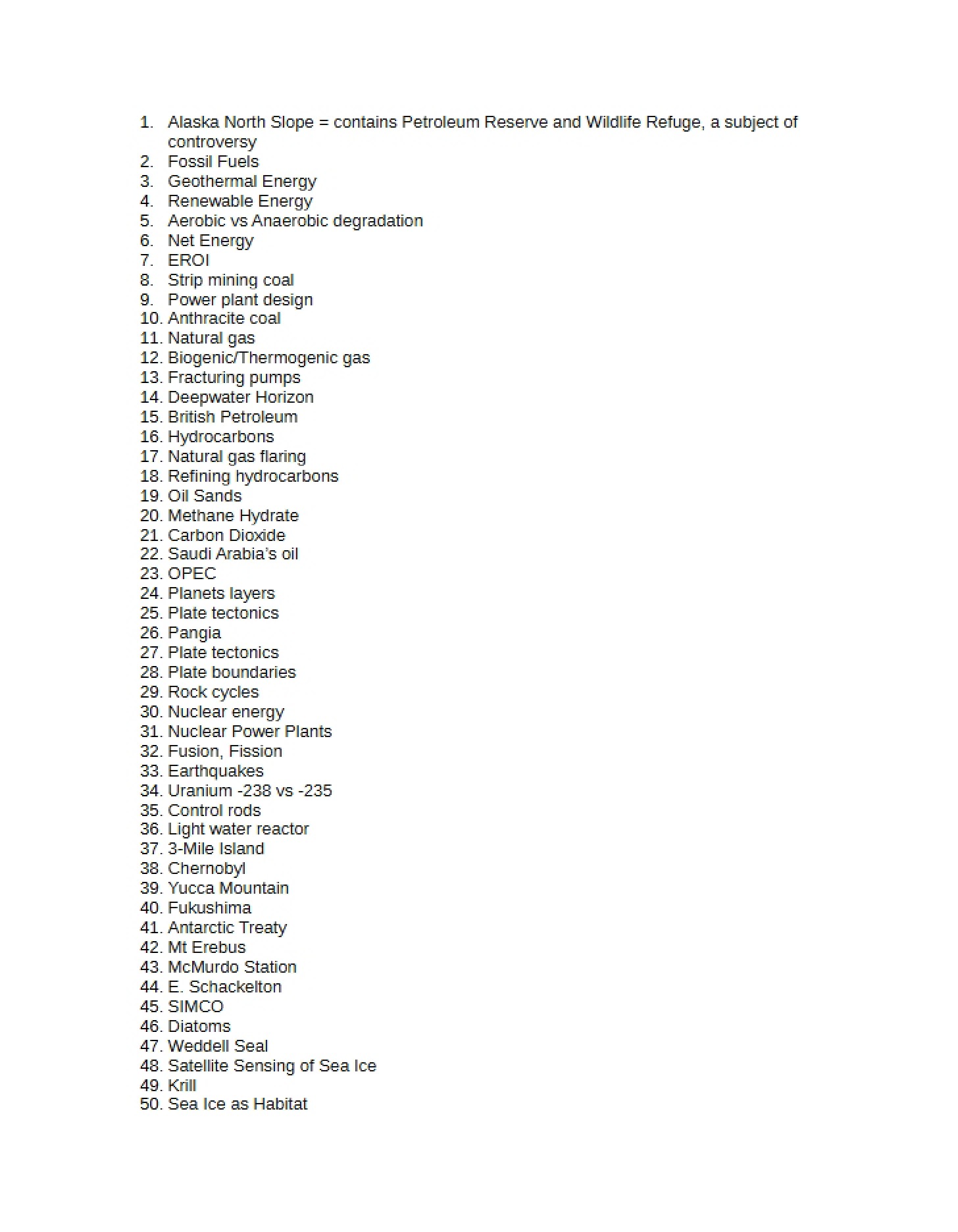
* References to specific locations relevant to polar research (e.g., the South Pole).
* Discussion of the importance of scientific evidence in understanding environmental phenomena.