What This Document Is
This comprehensive study guide is designed to support students enrolled in Humans and Their Environment (BISC 102) at the University of Southern California. It focuses on material covered in lectures and readings, specifically preparing you for assessments related to the course’s mid-term examination. The guide synthesizes information from a series of lectures and selected chapters from the book *Collapse*, offering a focused review of key themes and concepts. It delves into complex environmental challenges and the historical decisions that have shaped our relationship with the natural world.
Why This Document Matters
This resource is invaluable for students aiming to solidify their understanding of the course material and improve their performance on exams. It’s particularly useful for those who benefit from a structured review of lecture notes and assigned readings. Use this guide to identify areas where you need further study, to test your comprehension of core concepts, and to prepare for in-depth discussions about the interplay between human societies and their environments. It’s best utilized in the weeks leading up to mid-term examinations, or during periods of self-assessment.
Common Limitations or Challenges
Please note that this study guide is intended as a *supplement* to your class notes and assigned readings – it is not a replacement for active participation in lectures or thorough engagement with the source material. It does not contain the full text of lectures or chapters, nor does it provide detailed explanations or solutions to complex problems. It’s a roadmap to understanding, but requires your active learning to be fully effective. Access to the full guide is required to unlock the detailed information within.
What This Document Provides
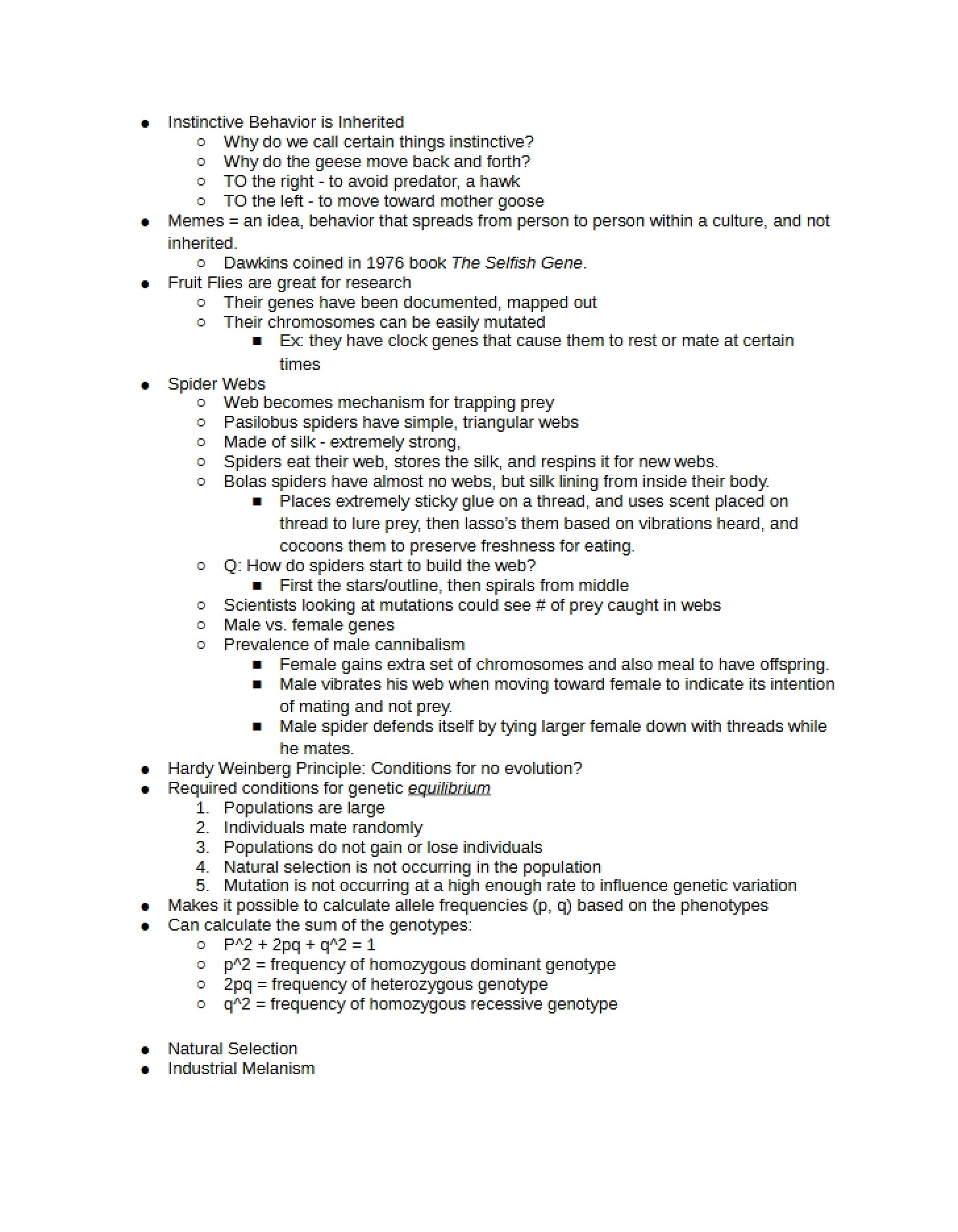
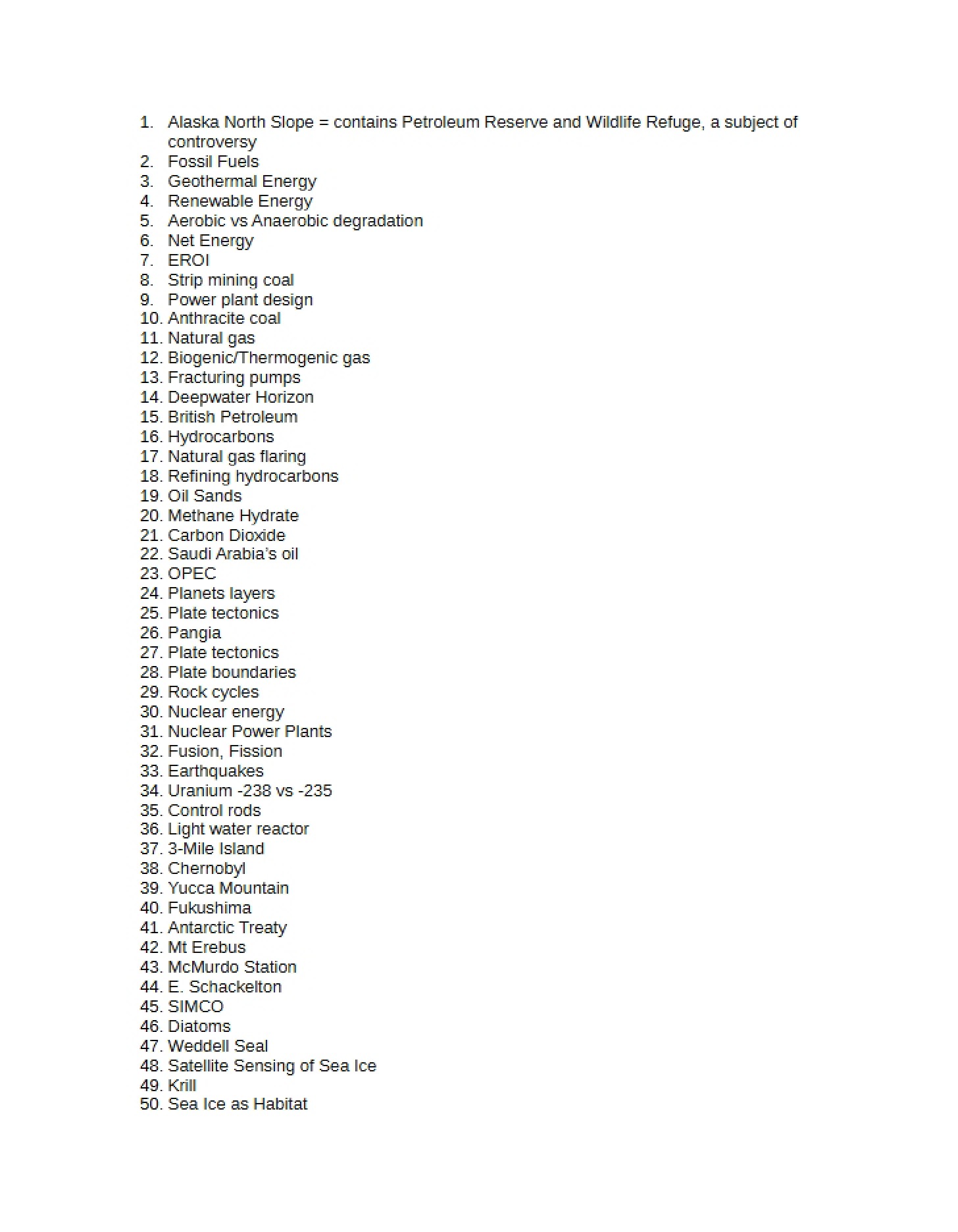
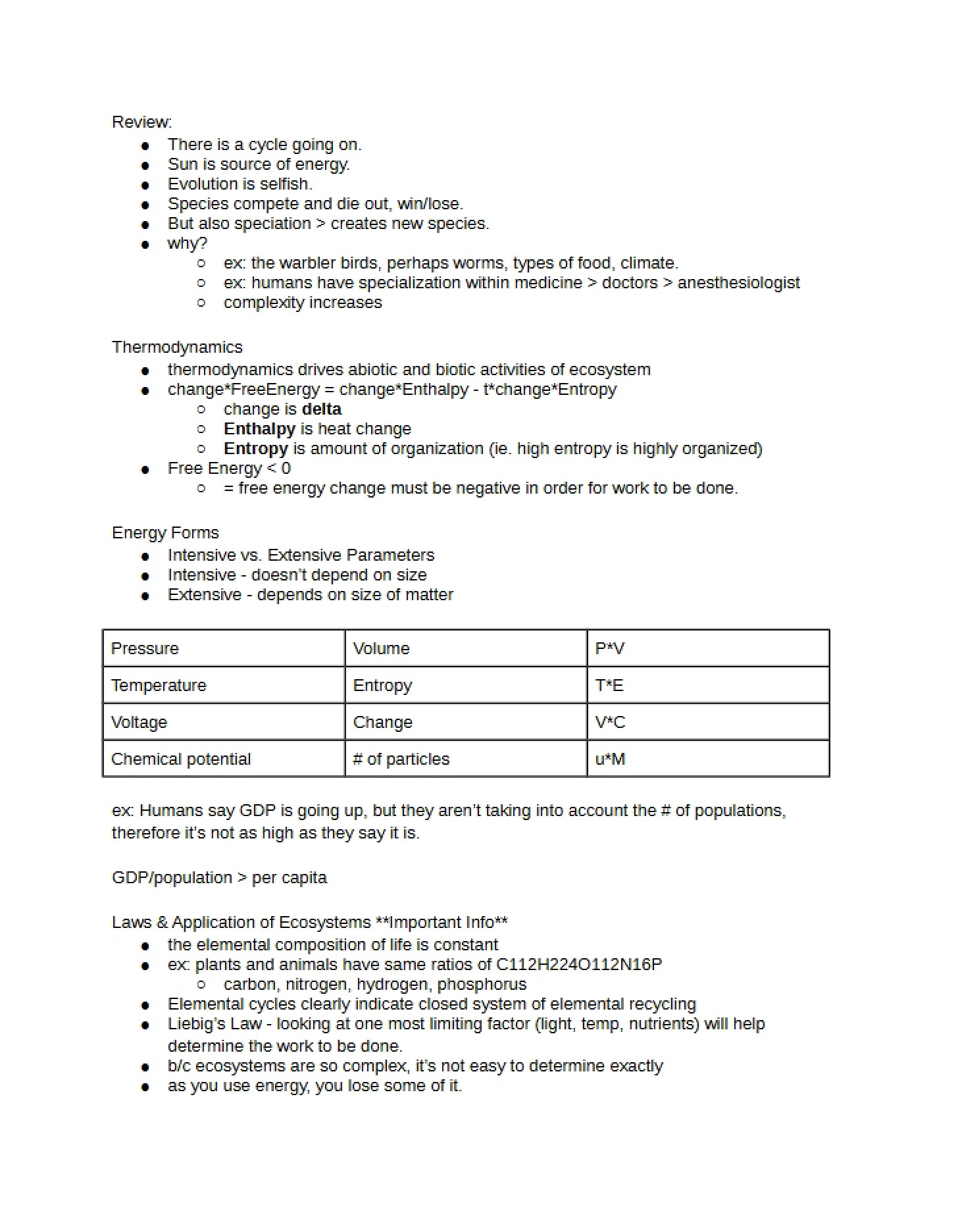
* A focused overview of lecture content spanning a specific range of topics.
* Key themes and concepts from selected chapters of *Collapse*, including analysis of case studies.
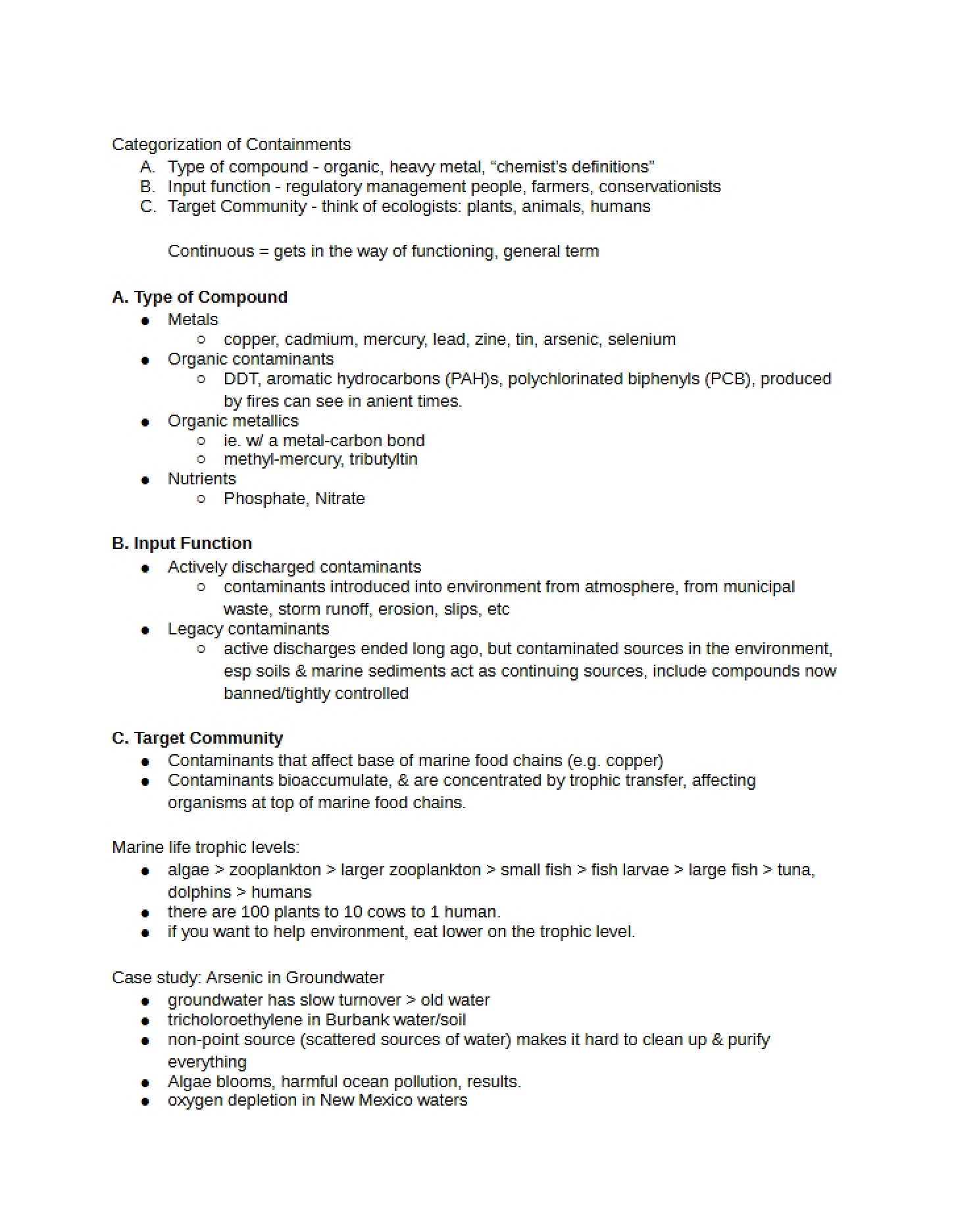
* Important terminology related to water resource management and environmental degradation.
* Contextual information regarding historical events and their environmental consequences.
* Guidance on understanding the core arguments presented in the book regarding societal collapse and future threats.
* Points for consideration regarding the impact of large-scale projects and political systems on environmental outcomes.