What This Document Is
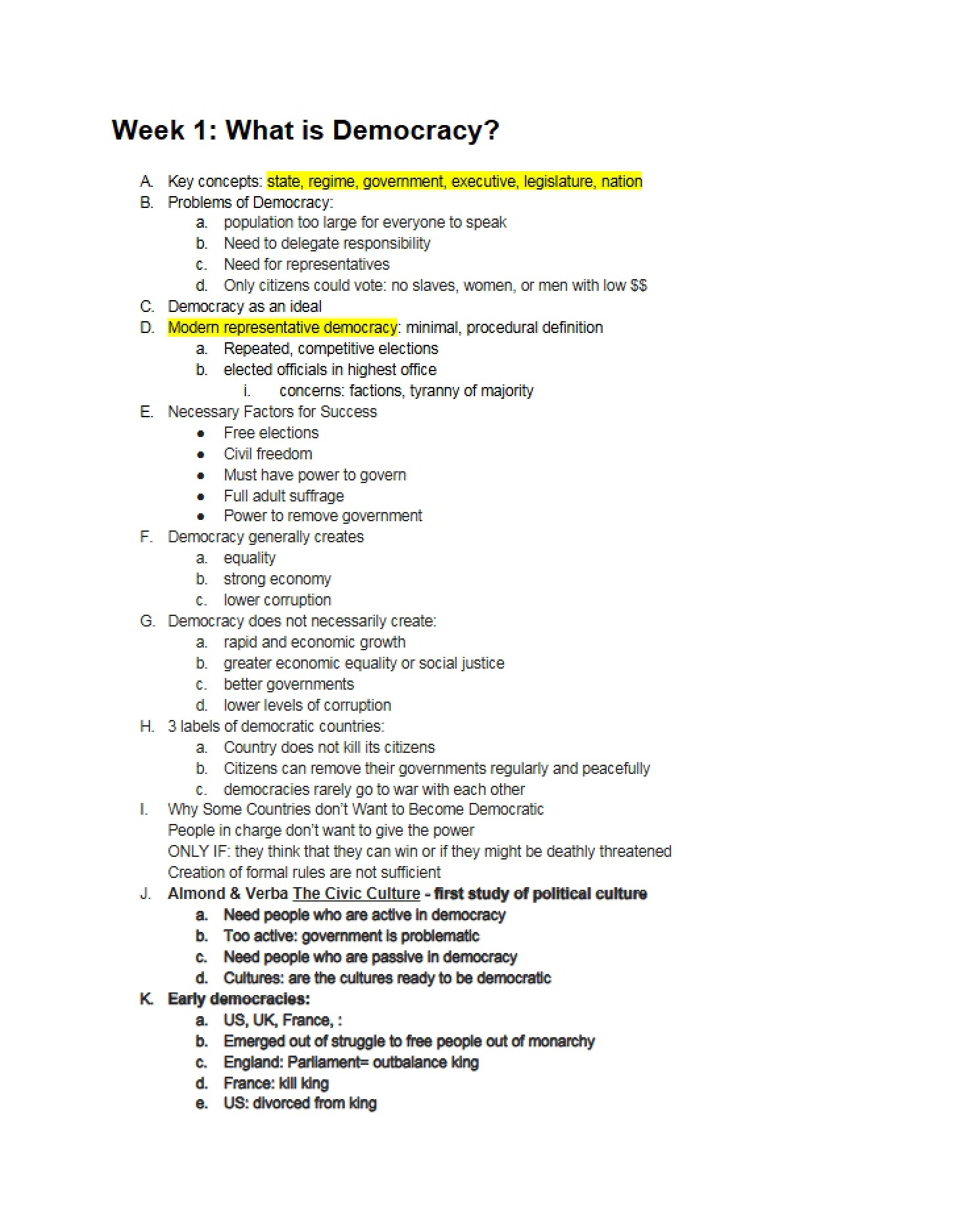
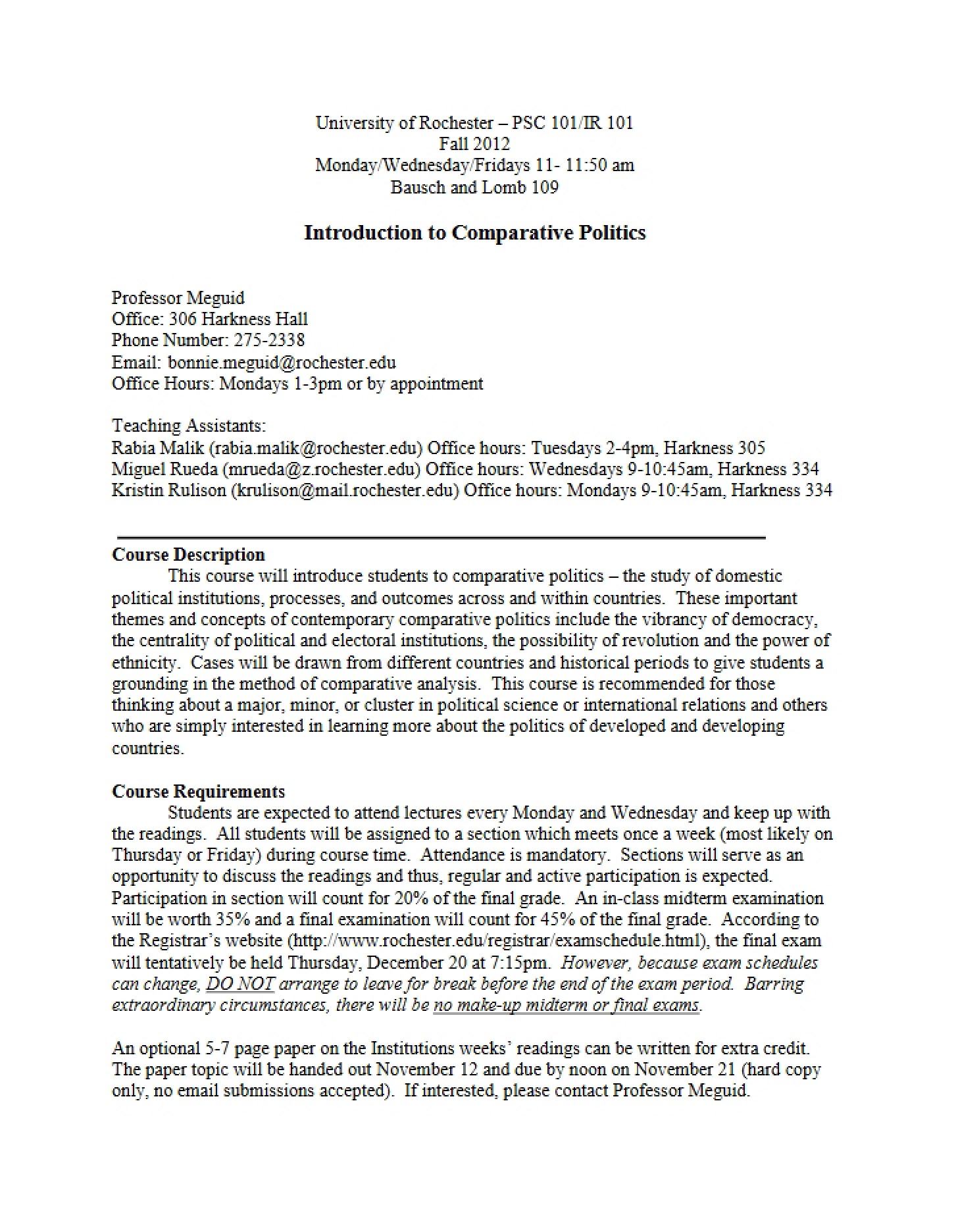
This study guide delves into the core distinctions between two major forms of democratic governance: presidentialism and parliamentarism. Created for PSC 101 at the University of Rochester, it’s designed to help students grapple with the theoretical underpinnings and practical implications of these systems. The guide explores related concepts like institutional design, electoral systems, and the influence of cultural and economic factors on political stability and democratic performance. It also touches upon theories attempting to explain the development – or lack thereof – of democratic norms within nations.
Why This Document Matters
This resource is invaluable for students in introductory political science courses, particularly those focusing on comparative politics. It’s especially helpful when preparing for exams or tackling assignments that require a nuanced understanding of different political systems. Anyone seeking to understand the strengths and weaknesses of presidential versus parliamentary models, and the factors that contribute to governmental stability and effectiveness, will find this guide a useful starting point. It’s best utilized *alongside* course lectures and readings to solidify comprehension.
Common Limitations or Challenges
This study guide provides a focused overview of key concepts and doesn’t offer a comprehensive history of every nation employing these systems. It also doesn’t present a definitive “best” system, as the ideal structure often depends on specific national contexts. The guide highlights theoretical debates and complexities, but doesn’t provide detailed case studies of individual countries. It’s intended as a tool for understanding the *principles* at play, not a substitute for in-depth research.
What This Document Provides
* A focused comparison of presidential and parliamentary systems.
* Exploration of the concepts of legitimacy and accountability within different governmental structures.
* Discussion of how electoral rules can impact party systems and representation.
* Analysis of the role of institutions in shaping political behavior.
* Overview of theories relating cultural and economic factors to political development.
* Examination of the challenges of maintaining governmental stability.