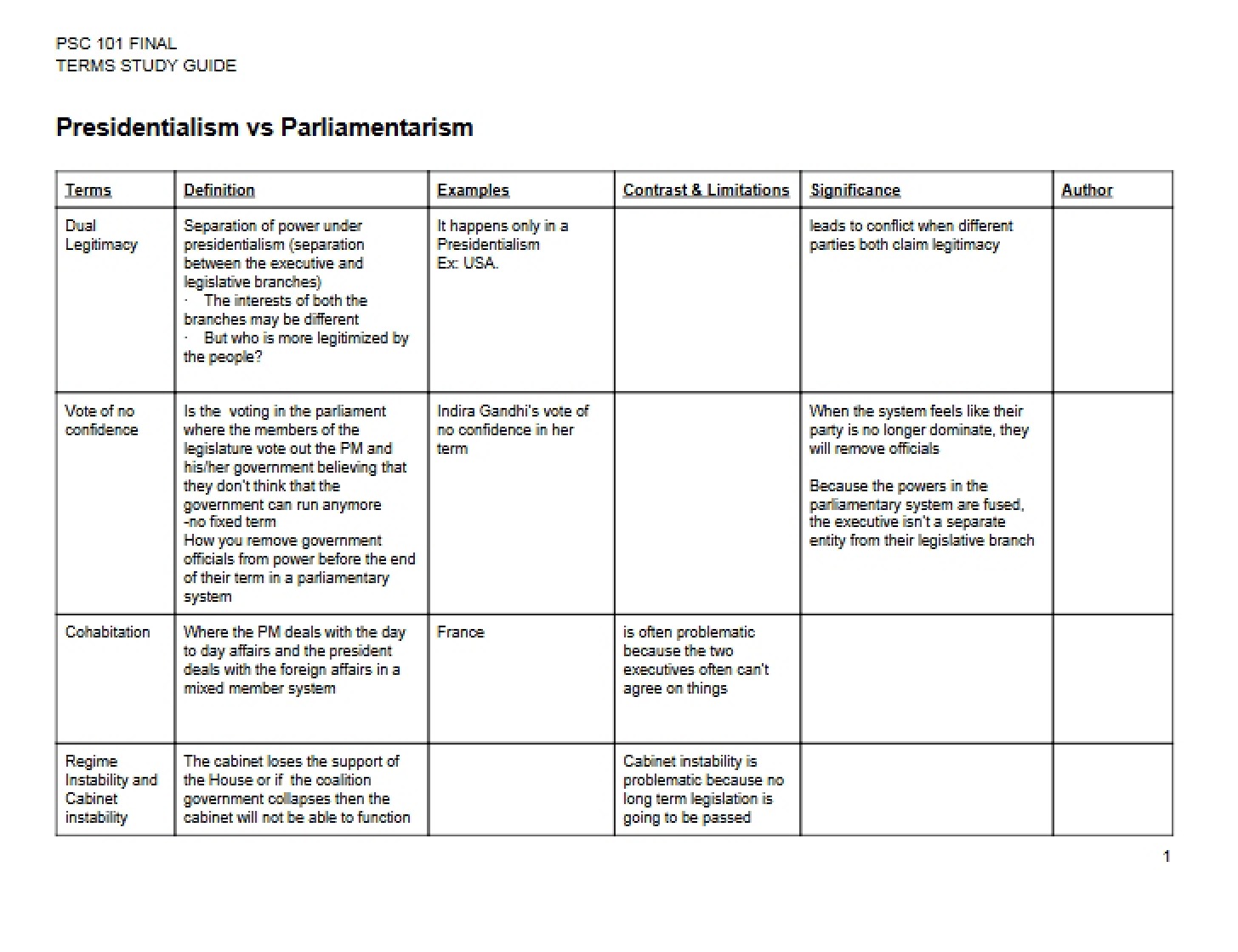
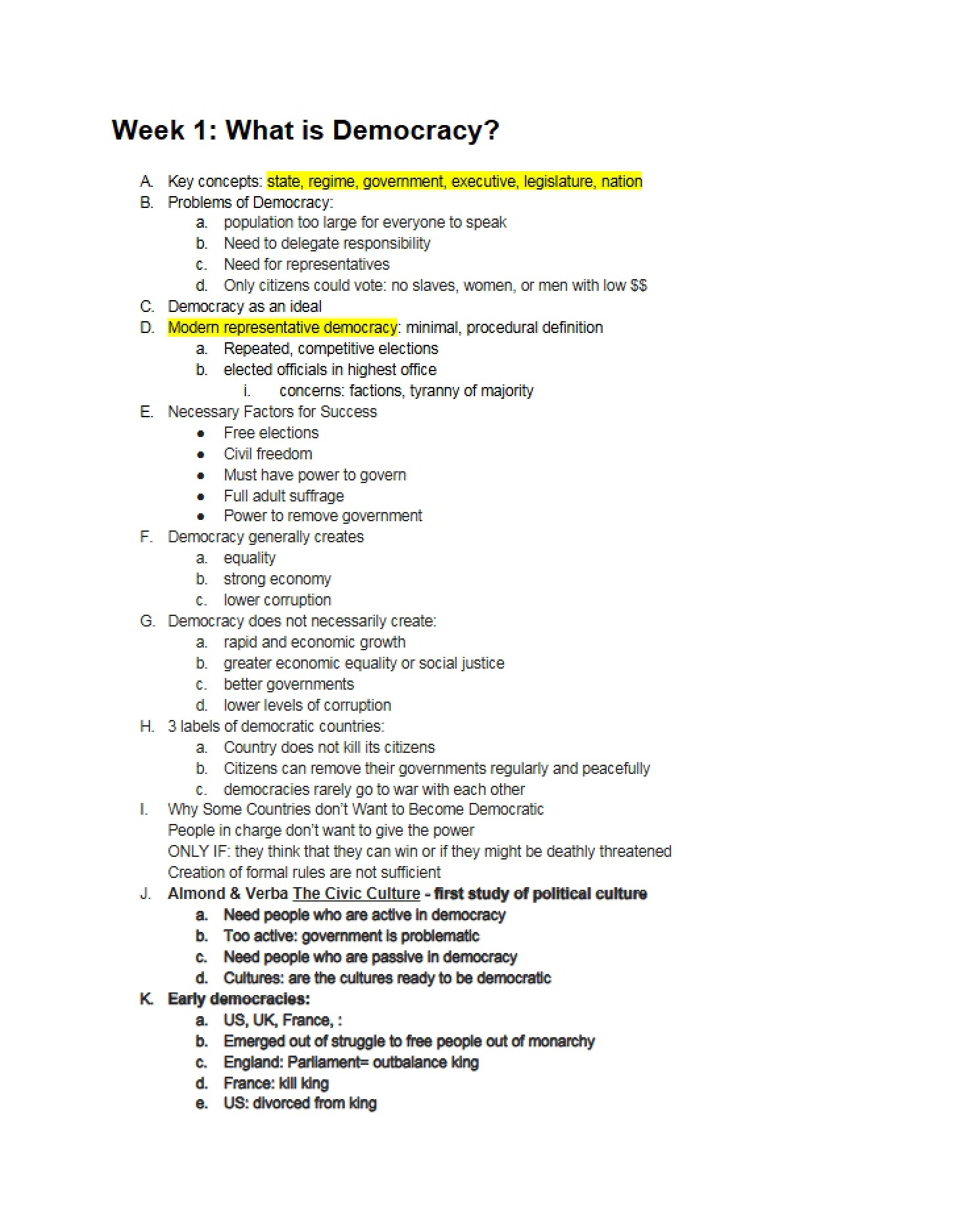
What This Document Is
This is a syllabus for PSC 101/IR 101, an introductory course in Comparative Politics offered at the University of Rochester. It outlines the structure, expectations, and logistical details for students enrolled in the course during the Fall 2012 semester. It serves as a foundational guide for understanding the course’s objectives and how student performance will be evaluated. The syllabus details the scope of comparative politics as a field of study, focusing on the analysis of political systems across different nations.
Why This Document Matters
This syllabus is essential for any student considering enrolling in, or currently enrolled in, PSC 101. It’s particularly valuable during course selection to determine if the course aligns with academic interests. Current students will find it crucial for understanding grading policies, assignment expectations, and important dates. Prospective students interested in political science, international relations, or related fields will benefit from reviewing the course description to gauge its relevance to their academic goals. It’s best reviewed *before* the semester begins and referenced throughout the term.
Common Limitations or Challenges
This syllabus provides an overview of the course but does not contain the actual course content – lectures, readings, or specific assignment details. It outlines the *types* of materials students will engage with, but doesn’t provide those materials themselves. It also doesn’t offer insights into the professor’s specific teaching style or detailed discussion questions. The final exam date is tentative and subject to change by the University Registrar.
What This Document Provides
* Course logistics: Meeting times, location, and professor contact information.
* Teaching assistant details: Names, contact information, and office hours.
* A broad course description: Explaining the core concepts and themes of comparative politics.
* An outline of course requirements: Detailing the weighting of participation, midterm, and final exams.
* A list of required texts: Indicating books available for purchase or reserve at the library.
* A preliminary course schedule: Highlighting initial topics and assigned readings for the first few weeks.
* Information regarding extra credit opportunities.